
Idea 1
Conspiracy as Strategy: The Hidden War Against Gawker
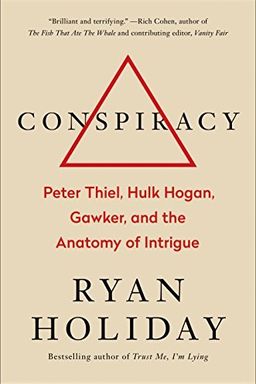
The book tells the story of how billionaire investor Peter Thiel secretly funded the campaign that brought down Gawker Media. What started as personal outrage over a short Valleywag post outing Thiel’s sexuality in 2007 evolved into one of the most meticulously planned acts of private retribution in modern media history. At its heart, the book explores power, secrecy, and strategy—how a single insult sparked a decade-long effort that reshaped the relationship between wealth and free press.
The Spark That Ignited the War
In December 2007, Owen Thomas published a short Valleywag post declaring, “Peter Thiel is totally gay.” It was only a few hundred words, yet it symbolized Gawker’s ethos: spectacle, snark, and revelation. Thiel, a private man deeply conscious of reputation in Silicon Valley, felt the post violated something deeper than privacy—it cast him as psychologically defective. Nick Denton’s comment mocking Thiel’s paranoia struck the final blow. This was the spark—the moment resentment met humiliation.
From Grievance to Strategy
Thiel didn’t react impulsively. The book portrays his transformation from victim to conspirator as a methodical process. Thinking like an investor, he calculated the expected costs of letting Gawker’s hostility escalate versus the costs of stopping it. His conclusion: the cultural damage—a Silicon Valley increasingly afraid of media shaming—justified an expensive intervention. To act, he needed secrecy, trusted agents, and a legal theory strong enough to bypass First Amendment defenses.
Building the Secret Network
Thiel recruited three key players: Mr. A, a youthful operator; Charles Harder, a litigator hungry for big, novel cases; and clients willing to sue Gawker. Their dinner in Berlin marked the formal start: a small initial payment, a plan for multiple lawsuits, and complete compartmentalization. Each participant knew only part of the plan—Mr. A scouted plaintiffs and ideas, Harder executed in court, and Thiel supplied capital. The fewer people who knew, the stronger the conspiracy.
Legal Ingenuity: Finding the Back Door
Harder rejected libel as too hard to prove. Instead, he sought cases built on invasion of privacy and emotional distress—torts that carried emotional resonance and fewer constitutional shields. Their analysis of Gawker’s archive found patterns of invasive reporting: sex tapes, leaked photos, and gleeful humiliation. The opportunity arrived when Gawker published Hulk Hogan’s sex tape. Hogan’s case combined raw violation, sympathetic plaintiff, and jurisdiction in Florida—a state court environment primed for jury empathy.
From Lawsuits to Attrition
The conspirators understood that victory wouldn’t come from one case but through attrition—pressure across fronts. While Hogan’s suit was the spear, other actions acted as needles: multiple smaller lawsuits, advertiser boycotts, and psychological fatigue. Gawker bled money, morale, and focus. Its defiant culture became its vulnerability: the newsroom treated the lawsuit as a badge of honor, not an existential threat. Strategic attrition turned pride into liability.
Trial as Theater and the Collapse
Trials are performances, and Harder’s team understood that jurors remember emotion, not doctrine. Hogan’s lawyers humanized him; Gawker’s witnesses displayed arrogance, epitomized by A.J. Daulerio’s flippant remarks. The jury saw not media freedom but moral cruelty, awarding $140 million. Without bond capacity, Gawker filed bankruptcy; Univision acquired its assets, and Denton’s company disappeared from the web. The conspiracy’s operational elegance met its final purpose: total financial destruction.
Power, Secrecy, and Consequences
When Forbes exposed Thiel’s role, public sentiment shifted. What looked like justice became a debate over wealth versus press freedom. Thiel defended his actions as protecting privacy; critics saw dangerous precedent—money wielded as censorship. Culturally, the case reduced reckless outrage but expanded fear of litigation. It birthed litigation-financing startups like Legalist and deepened national arguments about how much power billionaires should have over media. The book closes as both cautionary tale and strategic manual—a vivid study in patience, secrecy, and the modern weaponization of wealth.
Core idea
Conspiracy here isn’t melodrama—it’s structured strategy. Thiel’s campaign reveals how methodical secrecy, disciplined funding, and cultural miscalculations can reshape public institutions without firing a shot.
The broader argument is unsettling but clear: in a system where wealth buys time, research, and persistence, private grievance can mature into public power. The fall of Gawker is not just media history—it’s a template for how modern influence operates beneath the surface.