
Idea 1
Performance, Power, and the Making of a Brand
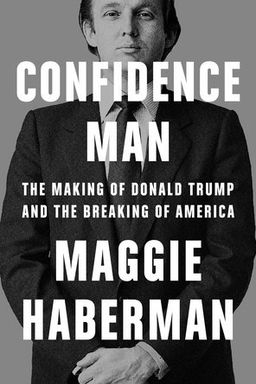
How can one man turn performance into a governing principle? This book argues that Donald Trump’s life and career can be read as a continuous act of theater—a fusion of showmanship, dealmaking, and political instinct built around constant reinvention. What links his New York real estate rise, television fame, and political ascent is a single grammar: performance creates perception, and perception creates power.
The author traces Trump’s trajectory from the son of a Brooklyn developer to a master of New York’s machine politics, through media-fueled celebrity and onto the global stage. To understand him, you must see how branding replaces biography—his identity is a construct endlessly rehearsed, updated, and monetized. Each stage reinforces the same patterns: spectacle as persuasion, loyalty as currency, and grievance as motivation.
From Builder to Performer
In the 1970s, Trump learned from his father, Fred, how to operate inside New York’s machine networks of zoning, banks, and unions. But Donald added theater. Trump Tower, The Grand Hyatt, and the Commodore deal were less about concrete than about symbolism. By pairing celebrity with political power brokers like Meade Esposito, Roy Cohn, and city officials, Trump learned that perception could bend bureaucracy. Roy Cohn taught him another rule: fight everything, admit nothing, intimidate always. That legal combativeness—coupled with Howard Rubenstein’s publicity skills—turned bland real-estate news into personal mythmaking.
The Cohn Legacy and the Politics of Combat
Roy Cohn’s shadow looms large. From the 1973 housing discrimination suit to later tax negotiations, Cohn modeled a world where law was a weapon and media was a megaphone. His mantra—"never settle, attack back twice as hard"—became Trump’s default operating system. (Note: Cohn’s blend of legality and menace echoes Niccolò Machiavelli’s notion that ruling requires both the fox and the lion.) You watch Trump use lawsuits not to win outright but to control framing and force compromise. It’s a theatrical form of brinkmanship that later repeats in national politics.
Media, Myth, and the Construction of Power
From tabloids to Twitter, Trump has always been his own medium. The New York Post and Page Six provided his apprenticeship; reality television gave him a new platform. The Apprentice crystallized the persona—a decisive executive whose catchphrases could anchor his authority. After television came licensing: turning the Trump name into intellectual property. When debts and bankruptcies threatened him in the 1990s, he transformed narrative defeat into comeback stories like The Art of the Comeback. Media exposure wasn’t just reputation—it was collateral for his next loan or run.
Politics of Fear and Resentment
Trump’s political style evolved from New York tabloid controversies into full populism. His 1989 Central Park advertisement calling for the death penalty marks his pivot to racial division and moral outrage. The pattern recurs in the 2015 campaign: identify grievance, amplify it, and perform empathy for the angry. Immigration, crime, and bureaucracy become convenient villains. Rather than policy detail, the emphasis is feeling—anger as belonging, resentment as unity. The show thrives on conflict.
Spectacle as Governance
The book argues that by the time Trump enters the White House, he governs as he performed: through dramatic action and reactive improvisation. The same instincts that built hotels and watched television ratings now direct trade wars, executive orders, and foreign summits. Success depends less on institutional collaboration than on the impression of action. When crises like COVID-19 demand patience and process, spectacle collides with administration, and outcomes often hinge on which instinct—showman or executive—prevails.
From Chaos to Continuity
The final acts reveal old patterns in new form: personal networks replacing formal institutions, loyalty eclipsing competence, and perception overruling procedure. Post-election challenges, conspiracy-driven legal maneuvers, and January 6 all derive from the same performance logic: control the story at any cost. Even after leaving office, Trump extends that narrative through rallies, media ventures, and legal theatrics, seeking to monetarily and politically sustain the brand of defiance.
Central Insight
Trump’s career shows that in modern America, perception can overpower substance. Politics, law, and media merge into a single spectacle economy where attention itself becomes the ultimate source of capital.
Through that lens, the book is not simply a biography—it’s a case study in the transformation of culture and power in the 21st century, where the line between performance and reality no longer holds.