
Idea 1
Eating, Awareness, and the Fate of Our Planet
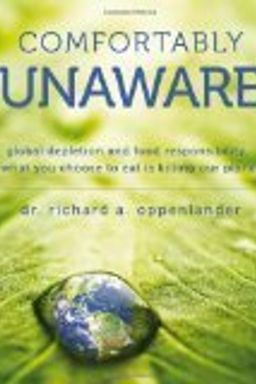
When you sit down for your next meal, do you ever wonder where it truly came from—beyond the grocery aisle or restaurant plate? In Comfortably Unaware, Dr. Richard A. Oppenlander asks this deceptively simple question and reveals its staggering implications: our food choices are quite literally killing us and destroying our planet. Despite our advances in technology and health science, we’ve remained blind—or, as Oppenlander puts it, comfortably unaware—of the hidden costs of eating animals. He argues that sustainable living begins not with the type of car we drive or bulbs we use, but with what we put on our plates.
The Book’s Central Argument
Oppenlander contends that global depletion—the destruction of water, air, land, and biodiversity—is primarily caused by our addiction to animal products, particularly meat, dairy, and fish. These industries consume vast quantities of natural resources, degrade ecosystems, and perpetuate world hunger. He likens the ongoing consumption of meat to earlier cultural practices we once considered normal, such as bloodletting, arguing that humanity will look back on our eating habits with similar disbelief. The book’s stark conclusion: it’s not just climate change we face—it’s global depletion, a crisis of survival itself.
From Global Warming to Global Depletion
While most environmental discussions focus on global warming and carbon emissions, Oppenlander insists that this view misses the larger picture. Global depletion includes the loss of fresh water, forests, topsoil, marine life, clean air, and countless animal species. For example, raising livestock takes up nearly one-third of Earth’s land and half of its grain resources, while the waste and pollution from animal agriculture contaminate rivers and oceans. As he vividly states, every bite of steak or fish fillet represents “a footprint larger than your own car.”
The Role of Misinformation and Cultural Conditioning
Much of the world continues to eat meat because we’ve been taught—by governments, industry, and even physicians—that it’s essential for health. Oppenlander exposes how agencies like the USDA and the Dairy Council have promoted misleading nutrition guidelines for decades. Medical schools rarely require courses in nutrition, leading respected doctors and dieticians to unknowingly perpetuate harmful myths. The result? Generations raised believing that meat and dairy are necessary for strength and growth, while the truth—that plant-based diets prevent disease and protect the planet—remains buried under layers of marketing.
Why Awareness Matters
Oppenlander’s message extends beyond personal health. Becoming “aware” means breaking through cultural convenience to recognize how interconnected our choices are. Your daily meal connects to deforestation in the Amazon, dead zones in the Gulf of Mexico, the exhaustion of aquifers, and the extinction of marine life. The book asks you to realize that sustainability isn’t just about recycling or driving hybrid cars—it’s about what fuels your body. By choosing plants over animals, you save more water, produce fewer greenhouse gases, and release less suffering into the world.
What the Book Covers
The chapters form a sweeping examination of global systems linked to food. You’ll travel through Earth’s lungs—the rainforests—and learn why each burger equates to fifty-five square feet of their destruction. You’ll peer into polluted oceans devastated by overfishing and factory farming, uncover government subsidies that keep meat artificially cheap, and explore why even “grass-fed” livestock isn’t sustainable. Later chapters challenge social norms, revealing how our comfort and ignorance perpetuate cruelty to animals and ecological breakdown. The book culminates in a call to action: the evolution toward a plant-based diet is not idealism—it’s our only viable path forward.
Why These Ideas Matter to You
Oppenlander invites you to see awareness as empowerment. Once you grasp the full cost of your food choices, change becomes both a moral and ecological necessity. He likens partial measures—like “Meatless Mondays”—to putting a Band-Aid on a fatal wound: symbolic but insufficient. Real transformation begins by voting with your mind, not your fork, and recognizing that every meal is an act of planetary stewardship. Whether you care most about your health, your children’s future, or the planet’s survival, this book proves those concerns are inseparable. Each decision you make about food is a choice between depletion and renewal.
Ultimately, Comfortably Unaware reframes sustainability from something external to something internal—within your plate, your habits, and your awareness. The question is no longer “Can the planet sustain us?” but “Can we sustain the planet?” Oppenlander’s answer is clear: we can, if we evolve beyond denial and rediscover harmony through the simplest, most radical act—changing what we eat.