
Idea 1
Pleasure Is the Compass of Connection
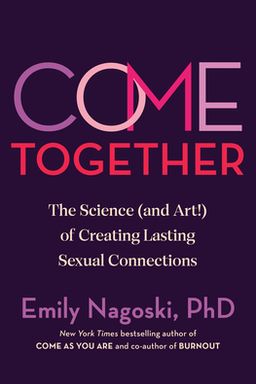
How do you measure whether your long-term sexual connection is healthy? The central argument of this book is simple but radical: pleasure is the measure. Author Emily Nagoski — building on research in sex science and emotional neuroscience — reframes sexuality from a checklist of frequency, positions, or desire levels into a context-driven practice of emotional attunement and shared enjoyment. You’re not asked to want more sex or to fix what's wrong with your body; you’re asked to notice what actually feels good, and to build your relationship around that truth.
When you center pleasure rather than desire or spontaneity, everything else begins to shift. You start asking, “Do we like the sex we have?” instead of “Do we have sex often enough?” That question directs attention toward connection, safety, and collaboration — the ingredients that generate lasting satisfaction.
Pleasure, Not Performance
Pleasure isn’t static or competitive; it’s shaped by context. The same touch can be bliss in one moment and unbearable in another. This fluidity means pleasure depends on your internal emotional state, external safety, and mutual openness — not on technique or frequency. Margot’s experience in the composite stories illustrates this beautifully: her most meaningful sexual moments weren’t loud or frequent but provided relief from pain and anxiety and grounded her in her body. That tangible uplift — not orgasm counts — became her pleasure measure.
Desire Myths and Responsive Contexts
Cultural myths claim that “real” sexual desire must appear spontaneously and passionately. Nagoski dismantles this “desire imperative,” showing that responsive desire — desire that arises in the right context — is more typical and sustainable in long-term relationships. You aren’t broken if craving doesn’t appear from nowhere. The path forward is to co-create erotic contexts that let responsive desire emerge naturally from shared pleasure.
The Big Four Wants
- Connection: closeness and emotional attunement.
- Shared pleasure: mutual enjoyment and witnessing each other's delight.
- Being wanted: the validation of feeling desired and lovable.
- Freedom: the sense of escape and total presence.
These universal motives — not sexual “skills” — define satisfying erotic connection. When you ask “What do I want when I want sex with this person?” your answers become your compass for creating contexts where each of these motives can thrive.
Permission and Direction
A profound takeaway is the permission not to want. Asexuality, exhaustion, trauma, or life stage can make desire rare; none of that means brokenness. The fix isn’t forced arousal — it’s building safety, play, and nonsexual pleasure to ease the brakes. Over time, those gentle contexts nurture erotic energy again.
Core takeaway
Pleasure is the compass, not the finish line. When you treat satisfaction, safety, and delight as valid metrics, your sexual connection becomes less about achievement and more about aliveness. That’s the foundation for every other idea in the book.