
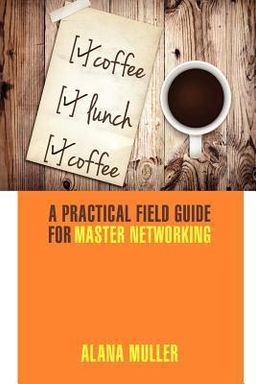
Coffee Lunch Coffee cover

Coffee Lunch Coffee

by Alana Muller

Coffee Lunch Coffee by Alana Muller is a comprehensive guide to mastering the art of networking. Through personal anecdotes and actionable advice, Muller teaches readers how to create meaningful connections that can enhance both personal and professional life. Whether you''re seeking a new job or expanding your professional circle, this book offers invaluable insights into successful networking.

Turning a Passion for Coffee into a Thriving Business

Have you ever sat in your favorite café, sipping a perfect cappuccino, and thought, “I’d love to run a place like this”? In Start and Run Your Own Coffee Shop and Lunch Bar, Heather Lyon turns that dream into a practical roadmap. Drawing from her years of experience operating a successful coffee shop, Lyon guides you through every step—from choosing a location and crafting a menu to training staff and complying with health and safety laws. Her central argument is that running a great coffee shop isn’t just about serving good coffee—it’s about creating a clean, welcoming environment backed by smart planning, careful management, and genuine customer care.

Lyon contends that even the most passionate entrepreneur can fail without proper preparation. She emphasizes that success in the coffee shop trade depends on combining creativity with a solid business plan, strong management skills, and consistent standards of professionalism. It’s not enough to love food or enjoy chatting with customers—you must also master public health regulations, learn how to handle finances, and stay level-headed under pressure. For Lyon, running a coffee shop is both art and science.

Getting Started Right

The book opens with a challenge to assess whether you’re cut out for business. Can you cope with uncertainty and long hours? Are you comfortable delegating? Lyon insists that self-awareness is the first step. She urges readers to consider whether they enjoy working with people, can handle stress, and are ready for the financial and emotional commitment. This self-inventory serves as a reality check before any money changes hands.

Preparation and Planning

Lyon treats preparation as the backbone of success. From creating a comprehensive business plan to choosing between buying and leasing premises, she motivates you to think like a planner, not a gambler. The business plan isn’t just for banks—it’s your blueprint for profitability. It defines your customer base, marketing strategy, menu, and management goals. Lyon’s examples—such as her own coffee shop’s evolution within a retail store—illustrate that location decisions can make or break your enterprise. A prime location can compensate for weaker menu items; a poor one can doom even great food.

Building a Unique Brand

Once your logistics are set, your identity matters. Lyon encourages you to design a memorable name and logo—symbols that express your personality. Whether you want a rustic teahouse or a sleek urban espresso bar, your brand signals what customers can expect. Involving the community through a “name-the-shop” competition not only builds visibility but connects customers emotionally with your space. (Similar branding advice appears in Seth Godin’s Purple Cow, which urges entrepreneurs to stand out through distinctiveness.)

Crafting Food and Atmosphere

Menu design is one of Lyon’s most practical sections. She warns against trying to please everyone—start small, observe what sells, and refine. From tuna mayonnaise sandwiches to homemade soups and cakes, the secret is freshness, presentation, and value for money. Atmosphere matters as much as flavor: lighting, comfortable seating, soft music, and gleaming cleanliness form the sensory experience customers remember. “Cleanliness,” Lyon says, “is not optional—it’s your shop’s signature.”

Managing Staff and Service

Even the most beautiful coffee shop needs skilled, motivated staff to make the magic happen. Lyon dedicates entire chapters to hiring wisely and training effectively. She emphasizes warmth, professionalism, and consistency—qualities that turn first-time visitors into loyal regulars. Her advice mirrors insights from Danny Meyer’s Setting the Table, which frames hospitality as emotional intelligence in business. Lyon also shares detailed employee manuals, sample contracts, and disciplinary procedures, showing how structure protects both you and your team.

Maintaining Standards: Hygiene and Health

Lyon takes hygiene extremely seriously. She explains UK legal standards and offers sample cleaning schedules detailed enough for any professional kitchen. From color-coded cloths to regular waste disposal, she shows that cleanliness isn’t just about appearance—it’s a matter of trust and legality. Her experience with Environmental Health Officers reminds readers that inspections can be sudden, and one mistake can destroy a reputation. Cultural parallels exist in American regulatory guides such as ServSafe’s Food Protection Handbook—both stress routine diligence.

Marketing and Growth

Once your coffee shop runs smoothly, Lyon turns to expansion: advertising, promotions, vouchers, and loyalty programmes. She insists on measuring results and reinvesting profits strategically. Creativity is key—partnerships with local businesses, customer questionnaires, charity events, or even free coffee giveaways. Her mantra: “Never stop listening to customers.” This attitude encourages sustainable growth based on real feedback rather than guesswork.

Character and Skills for Success

The book ends by identifying twelve essential skills: cleanliness, good food, customer service, communication, friendliness, openness, leadership, example-setting, management, problem-solving, calmness, and self-assessment. These aren’t innate qualities—you cultivate them through discipline and humility. Lyon concludes with optimism and realism: anyone can succeed with passion, planning, and perseverance.

Ultimately, Lyon’s guide is part inspiration, part instruction manual—a blend of entrepreneurial education and human insight. It invites you not only to serve coffee but to build a space where people feel at home. For readers dreaming of owning a café, this book reminds you that success starts long before the first cup is poured—with preparation, passion, and attention to detail.


Planning and Legal Foundations

Heather Lyon emphasizes that before you brew your first cup, you must brew a plan. Building a coffee shop is an enterprise, not a hobby. The early chapters on business structure and legal setup ensure that you start with confidence and clarity.

Business Planning and Partnerships

Many aspiring café owners dream of running a shop with friends or family, but Lyon cautions about informal arrangements. She recounts stories of ruined friendships caused by undefined partnerships. To avoid that, she insists on a written agreement outlining profits, responsibilities, and decision-making rights. This practical advice aligns with insights from Eric Ries in The Lean Startup—put structure before scale.

The Business Plan as a Compass

A well-written business plan, Lyon says, is your financial and emotional anchor. It should include startup costs, projected turnover, target customers, marketing, and contingency planning. She even suggests laminating each page and placing it in a ring binder to keep your vision durable and professional. Through clear examples, she demonstrates how a detailed plan convinces lenders and guides your daily decisions.

Licensing and Official Registrations

Few new owners realize how much bureaucracy accompanies hospitality. Lyon breaks down requirements—music licences, food selling permits, hygiene registration, and employer insurance. She warmly encourages contacting local authorities early to avoid costly fines later. Her focus on compliance shows that success depends as much on legal integrity as culinary talent.

For Lyon, a coffee shop is ultimately an ecosystem of discipline—financial, logistical, and interpersonal. Getting the foundations right allows creativity to flourish without chaos.


Smart Location and Setup Choices

You might love your coffee, but your customers must find you first. Lyon’s chapters on location and setup provide real-world wisdom about choosing and preparing your space. She treats location as the difference between steady success and quiet failure.

The Power of Place

A high-traffic street, she notes, can outweigh average food; a hidden lane can destroy excellence. She shares detailed retail strategies—how to research local competition, assess parking availability, and evaluate footfall. A coffee shop near offices brings weekday business; one near schools or markets depends on casual visitors. Choose based on demographics, not dreams.

Purchase or Lease?

Lyon explains the pros and cons carefully. Purchasing offers long-term investment and control but requires heavy upfront funds and maintenance. Leasing allows faster entry and less responsibility but demands legal vigilance over clauses and increases. She recommends negotiating rent-free periods and renewal options. Her stories of entrepreneurs trapped in bad leases reinforce the importance of reading every line.

Layout and Equipment

Once you've secured premises, Lyon teaches how to transform them into welcoming spaces. She discusses furniture, lighting, flooring, and equipment—balancing aesthetics with practicality. The advice to test chairs yourself (“If you wouldn’t sit on it for thirty minutes, neither will your customers”) captures her mix of empathy and realism.

Her message: find a location that fits your audience and build an environment where comfort meets professionalism. That’s where daily magic begins.


Designing a Menu that Sells

If your coffee shop is your stage, the menu is your script. Lyon devotes a rich section to crafting offerings that satisfy diverse tastes while keeping preparation practical. She treats menu creation as both art and strategy—an evolving reflection of your clientele.

Understand Your Customer

Your menu must match local income and culture. Lyon contrasts affluent districts, where smoked salmon sandwiches and brie salads thrive, with modest areas that favor hearty basics like egg mayonnaise or tuna rolls. She advises small-scale experimentation—prepare limited quantities of new items until you see what sells.

Freshness and Presentation

Her mantra, “fresh is best,” runs throughout. Prepare fillings each morning, offer attractive garnishes, and never serve day-old bread. Lyon even provides supplier advice and freezing tips (always freeze bread, never refrigerate). Presentation builds trust; even an inexpensive sandwich looks premium with crisp salad and polished plating.

Expanding Beyond Coffee

Lyon shows how profitable side items—soups, quiches, and home-baked cakes—boost income and community reputation. She lists dozens of proven recipes from lentil soup to millionaire shortbread, proving that simplicity sells. Customers value consistent quality over fancy variety. Keep portion sizes fair and always deliver value.

Like chefs in Coffee Shop Secrets by Sandy Halliday, Lyon knows menus are marketing tools. Every item should tell a story about care and taste—and your customers should taste that story in every bite.


Mastering Hygiene and Operations

Lyon’s guidance on hygiene and safety stands out as a manual within a manual. She makes cleanliness both moral and legal—a daily ritual that defines your shop’s credibility.

Routine and Standards

She presents checklists for everything from toaster cleaning to waste disposal, with rotating staff duties to ensure accountability. Color-coded cloth systems (blue for toilets, yellow for tables, green for fridge) show how to eliminate cross-contamination. Inspectors may arrive anytime, so readiness must be perpetual.

Food Safety Laws

Lyon decodes UK regulations—temperature control, utensil hygiene, pest management. Her examples of frozen food storage and labeling illustrate practical compliance. She stresses training: every employee should complete basic food hygiene courses. Her own anecdote about struggling through an intermediate course highlights how essential the knowledge proved when inspections began.

Health and Safety Systems

Risk assessments, insurance, fire equipment, and first aid kits are indispensable. Lyon views them as investments rather than expenses. Her message is simple: perfect hygiene isn’t perfectionism—it’s professionalism. Customers return to places they trust.


Building and Leading a Great Team

Behind every well-run coffee shop stands a cohesive team. Lyon’s chapters on staff training and leadership transform management into mentorship. She believes great bosses elevate ordinary workers into exceptional ambassadors.

Training as Investment

Training isn’t just explaining tasks—it’s building confidence. Through structured onboarding, role-playing, and continual coaching, employees learn professional standards. Lyon recommends keeping a staff manual—a resource covering hygiene, timekeeping, behavior, and grievance procedures. These rules prevent misunderstandings and promote fairness.

Handling Challenges

Customer service brings joy and conflict. Lyon’s pragmatic guide to managing complaints mirrors Dale Carnegie’s technique in How to Win Friends and Influence People: listen, empathize, and stay calm. She advises solving problems instantly—even if the customer is wrong—because goodwill lasts longer than arguments.

Leadership and Morale

Lyon lists qualities of an effective boss: patience, integrity, communication, and example-setting. Praise publicly, correct privately, and never ask staff to do what you wouldn’t. Her emphasis on kindness and consistency builds loyalty—a rare theme in business books about entrepreneurship.

The result is both practical and philosophical: leadership isn’t authority, it’s service.


Marketing and Customer Growth

No matter how good your coffee, customers won’t discover it without promotion. Lyon delivers a smart, low-cost marketing framework tailored for small business owners who prefer relationships over flashy ads.

Local Advertising and Promotions

She recommends localized marketing—vouchers, flyers, collaborating with nearby retailers, and small newspaper features rather than expensive campaigns. The tactic of offering a free coffee to voucher holders works because it builds goodwill and cross-sales. “People love something for nothing,” she writes, “but they almost always buy something else.”

Loyalty and Feedback

Her loyalty card idea—collect six stamps, earn a free coffee—is designed to turn occasional buyers into regulars. Lyon also includes a sample customer questionnaire to harvest useful feedback. By answering complaints and rewarding suggestions, you create a two-way conversation with your clientele.

Creative Publicity

From radio competitions and charity fundraisers to celebrity openings, Lyon reminds owners that local stories generate lasting interest. She calls these “PR with heart”—promotions that benefit the community while highlighting your brand. Her emphasis on sincerity makes this strategy timeless: the best advertising is authenticity, not gimmickry.

Marketing, in Lyon’s hands, becomes hospitality extended beyond the shop door.


Skills for Long-Term Success

In her concluding chapter, Lyon distills success into 12 essential skills—traits that make a coffee shop thrive long after the novelty fades.

The Twelve Skills

  • Spotless cleanliness
  • Offering good food at fair prices
  • Excellent customer service
  • Strong communication
  • Friendly, approachable personality
  • Openness to feedback
  • Effective leadership
  • Setting a good example
  • Skilled management
  • Calmness under pressure
  • Problem-solving ability
  • Self-evaluation and goal setting

Mindset Over Money

Lyon concludes that financial profit follows emotional intelligence. Success depends on how you treat customers, staff, and yourself. These traits form what modern psychology calls “grit”—the resilience to keep learning and adapting. Her final message: there’s no shortcut to authenticity. When you run your coffee shop with pride and patience, every cup becomes a reflection of your character.

Dig Deeper

Get personalized prompts to apply these lessons to your life and deepen your understanding.

Go Deeper

Get the Full Experience

Download Insight Books for AI-powered reflections, quizzes, and more.