
Idea 1
The Fish That Changed the World
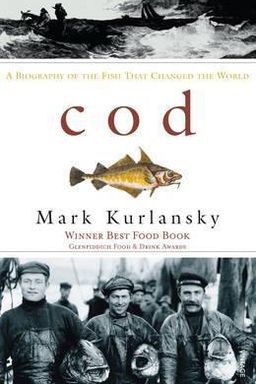
Have you ever considered that a single species of fish might have helped shape world history, economies, and even nations? In Cod: A Biography of the Fish That Changed the World, Mark Kurlansky invites you to see the humble Atlantic cod as far more than seafood—it’s a protagonist in the grand human story of exploration, conquest, industrialization, and ecological collapse. Kurlansky’s vivid storytelling transforms what could have been a dry chronicle of fisheries into a sweeping narrative about humanity’s hunger for profit, discovery, and dominance over nature. His central claim: cod was not just a commodity, but a force that built empires, sustained revolutions, and ultimately exposed the consequences of human excess.
To understand cod’s impact, Kurlansky spans a millennium—from Viking fishermen drying their catch on Icelandic cliffs, to Basques salting cod to feed the Catholic world’s Fridays and Lenten fasts, to New Englanders launching a new economy on its back. Cod, he argues, gave birth to globalization long before the term existed. The desire for this long-lasting protein fed exploration, naval expansion, and colonial settlement. Yet, it also created the conditions for modern environmental catastrophe—centuries of unchecked exploitation that would end in the near extinction of the northern cod by the late twentieth century.
From Abundance to Collapse
In medieval Europe, fish was sacred. Catholic fast days required abstention from meat, making cod essential to spiritual and daily life. Basque and Portuguese fishermen ventured farther into the Atlantic searching for it, their preserved catch fueling entire economies. When centuries later North America’s coasts teemed with cod so thick that “a man could walk across their backs,” European rivals raced to stake claims. The fish fed forest economies, trading empires, and coastal towns. But abundance bred complacency. By the 20th century, industrial trawls, steam engines, and factory ships turned previous wisdom—fish as infinite—into a dangerous myth.
Kurlansky uses this narrative arc—a fall from plenty to collapse—to underscore a universal lesson: every human system built on infinite growth eventually meets natural limits. The cod’s story becomes a fable of human shortsightedness, our refusal to see that nature’s productivity is not boundless. The book thus links medieval Catholic restraint and modern overconsumption in a single, cautionary continuum.
A Web of Connections
Through cod, you glimpse how food connects everything—religion, technology, globalization, and ecology. The fish’s long preservation life made it the first truly global foodstuff, traveling from Newfoundland to Spain, from Portugal to Africa, carried aboard ships that also trafficked in salt, sugar, and slaves. As Kurlansky writes, cod’s popularity in the Caribbean tied it to slavery: saltfish fed enslaved Africans because it was cheap protein, the by-product no European market wanted. Suddenly, dinner becomes geopolitically charged.
Cod, then, is a symbol of the paradox of progress. Each new innovation—from salted preservation to factory trawlers, from drying racks to frozen fillets—expanded human reach while degrading the ecosystem that sustained it. What Europeans saw as genius was also overreach. The cod’s fate mirrors our own industrial arrogance.
Why This Story Matters Today
Why spend an entire book on a fish? Because, as Kurlansky argues, cod’s story is our story—a cycle of expansion and collapse that repeats through human history. Whether gold, oil, or fish, every resource we’ve glorified eventually becomes an epitaph. Kurlansky joins thinkers like Jared Diamond (Collapse) and Rachel Carson (Silent Spring) in revealing how ecological exploitation is also moral failure. The saga of cod represents not just an environmental caution but a cultural one: how easily abundance blinds us to fragility, and how the drive to exploit nature can unknowingly endanger civilization itself.
Across fourteen chapters, Kurlansky interweaves science, economics, and human drama—a tapestry of explorers like Cabot and Basque merchants; wars over access to fishing grounds; and the rise and fall of fishing towns from Gloucester to Reykjavik. You’ll see cod’s ghost swim through everything from New England chowder to Jamaican saltfish and ackee, from Iceland’s independence to the Boston Tea Party. Ultimately, Cod challenges you to rethink progress itself—to ask how a creature that once symbolized boundless prosperity became nature’s warning of limits reached.