
Idea 1
The Shift from Management to Coaching Leadership
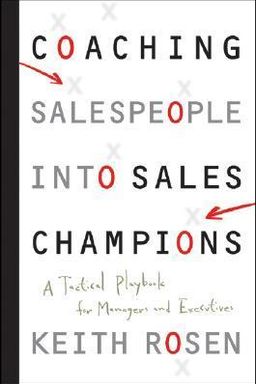
How can you transform an organization where managers constantly firefight yet rarely generate growth? In Sales Leadership (or similar works by Keith Rosen), the author argues that traditional management doesn’t produce development—coaching does. Rosen contends that management is dead as a model for unlocking human potential, because it centers on process and control, not inquiry and growth. To thrive in modern sales organizations, you must evolve from manager to executive coach—someone who replaces administrative problem-solving with disciplined curiosity, structured development, and accountability.
Rosen opens with stories like Greg, a sales manager who wanted better results but relied on old management habits. He asked how to make people consistent, retain talent, and free time—but lacked the method that transforms desire into results. The answer is coaching as a lifestyle—a rhythm of inquiry, listening, and structured reflection. Instead of giving answers, coaches help people find their own, building autonomy and responsibility.
How Coaching Differs from Managing
Managers focus on logistics, mentors share wisdom, trainers teach technique, and consultants prescribe solutions. Coaches do something rarer: they ask empowered questions that help people discover insight for themselves. The result is ownership rather than compliance. (Note: This mirrors Daniel Pink’s Drive, which also highlights autonomy as central to motivation.) Coaching integrates the others—it sometimes teaches and consults—but anchors all action in inquiry and personal discovery. Without coaching, training fades and consulting lacks stickiness.
Weekly Structure and Accountability
Rosen’s system insists on rhythm: weekly one-on-one coaching sessions are not optional—they’re cultural engines. Regular coaching ensures small issues never metastasize into full-blown crises. He calls this the difference between firefighting and fire prevention. Ike, the rep who quit after a neglected year-end review, exemplifies what happens when feedback is deferred. Weekly sessions convert time spent fixing into time spent multiplying talent.
The Mindset Behind Coaching Leadership
Becoming a leader-coach requires a radical mindset change: moving from performance management to potential cultivation. Coaches embody presence, authenticity, and strategic vulnerability—they model the growth they expect. This mindset rests on core principles covered throughout the book: making fear an ally, staying present, detaching from outcomes, trusting process, practicing creativity, and owning full accountability. In essence, you stop controlling people and start creating conditions for them to succeed.
From Tactical Coaching to Sustainable Culture
The transition isn’t philosophical only—it’s operational. Practical models like A.G.R.O.W.T.H. (which identifies coachable traits) and L.E.A.D.S. (which structures sessions) make coaching measurable. This shift produces repeatable results rather than sporadic inspiration. It also integrates vulnerability-driven trust and pull-based motivation—because lasting change depends on psychological safety and internal drive. Coaching connects all those elements under one disciplined umbrella.
Core insight
You don’t change a title; you change a paradigm. Managers manage tasks. Coaches grow people. The organizations that win long-term are those where leadership is coaching-led, rhythm-based, and emotionally intelligent.
By fusing strategic discipline with human connection, Rosen’s framework turns coaching into a replicable system for talent multiplication. When you think, speak, and act like a coach—through inquiry, listening, trust-building, vulnerability, and accountability—you stop working harder and start developing people who can think for themselves.