
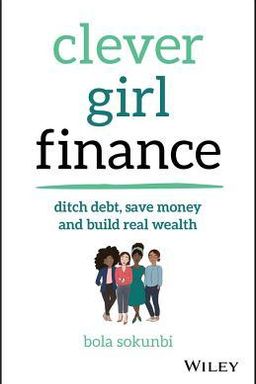
Clever Girl Finance cover

Clever Girl Finance

by Bola Sokunbi

Clever Girl Finance by Bola Sokunbi is a powerful guide for women who want to gain control of their financial future. This book offers practical advice on managing debt, saving effectively, and building wealth, while staying true to individual values and personalities. It empowers women to overcome financial stereotypes and build a prosperous future.

Building Financial Freedom Through Side Hustles

What if your side hustle could become the key to financial independence and personal fulfillment? In Clever Girl Finance: The Side Hustle Guide, Bola Sokunbi argues that every woman has the potential to build a meaningful, profitable business—even while managing a full-time job or family. Her central message is that a side hustle isn't just about making extra money; it's about creating options, building wealth, and designing a life on your own terms.

Sokunbi contends that success begins not with a perfect business idea, but with the right mindset: overcoming fear, developing self-belief, and taking consistent, strategic action. She offers a practical, encouraging roadmap for women to move from uncertain dreamers to confident entrepreneurs. Drawing on her own experiences building multiple side hustles and her thriving platform Clever Girl Finance, she combines storytelling, actionable tools, and real-life case studies from diverse female entrepreneurs.

The Purpose Behind the Side Hustle

At its heart, this book reframes the idea of the side hustle. It’s not about hustling endlessly for pocket money or adding chaos to your already busy life—it’s a deliberate strategy for building wealth and freedom. For women in particular, the ability to generate multiple streams of income is more than practical; it’s empowering. Sokunbi acknowledges gender and racial wage gaps and illustrates how building a small business can help women overcome systemic income limitations while gaining confidence and purpose.

Through the stories of women like Camilla Banks, who turned her love of homes into two thriving businesses, and Sahirenys Pierce, who built a family-centered wealth platform, Sokunbi shows that financial empowerment and purpose can grow hand in hand.

Structure and Approach

Sokunbi’s framework is comprehensive yet friendly. The book unfolds step by step, from building the mindset needed to start (“Challenge your fears”) to detailed, technical sections like writing a business plan, forming a legal entity (with insights from attorney Ayesha Chidolue), setting prices, managing finances, building a brand, and scaling sustainably. Each chapter ends with “Take Action” tasks, turning theory into practice.

She begins with mental preparation: managing self-doubt, organizing your time, and staying accountable. Next, she helps readers move from idea to execution, guiding brainstorming, creating a mission statement, and building customer avatars. Later sections focus on marketing, website creation, content strategies, and the art of storytelling to emotionally connect with customers. Finally, Sokunbi covers business finances, metrics, hiring help, self-care, and the long process of sustaining growth.

Why These Ideas Matter Today

Sokunbi’s message resonates in a world where job security is increasingly uncertain and women are balancing multiple roles. She blends financial literacy with entrepreneurial empowerment, reminding readers that even a part-time project can become a life-changing source of wealth. Her approach is realistic—acknowledging the hard work, time management, and consistency required—yet refreshingly optimistic. Instead of “hustle harder,” her mantra is “plan smarter.”

In essence, this book is both a motivational push and a practical guide. If you’ve ever hesitated because you felt you didn’t have enough time, knowledge, or courage to build something meaningful, Sokunbi makes a persuasive case: it’s not about perfection, it’s about progress. The result is a confidence-boosting blueprint for any woman ready to turn ideas into income and purpose into profit.


Mastering the Mindset of Success

Sokunbi opens her guide by addressing one of the biggest obstacles to building a business—fear. Fear of failure, fear of the unknown, fear of change, fear of being incapable—it all keeps potential entrepreneurs stuck in “someday” mode. She insists that if you want your side hustle to succeed, you must first learn to challenge your fears and build mental resilience.

Facing Fear Head-On

Sokunbi suggests confronting each fear directly. Write down the worst-case scenario, then the best-case outcome. Surprisingly, most fears lose their hold when we look at them logically. She encourages reframing fear as a learning opportunity—if you fail, you fail forward. The exercise of imagining success, creating small actions, and focusing on what you can control transforms anxiety into motivation.

“Fear is an indicator that you’re outside your comfort zone—but outside your comfort zone is where the magic happens.”

Preparing the Entrepreneurial Mindset

Mindset, Sokunbi says, is like a muscle that must be trained. She identifies commitment, clarity of purpose (“your why”), and self-affirmation as vital mental tools. Writing down affirmations, re-reading goals daily, and intentionally scheduling work time turns vague ambition into structured effort. The result? Increased focus, discipline, and self-belief.

The book also emphasizes accountability—setting check-ins with mentors or peers to build a habit of consistency. Sokunbi calls these accountability partners your “water, sunlight, and weed killers”—the people who nourish your progress and protect your dreams from doubt.

Practical Change, Not Perfection

Winning mindset also means practicality: creating a schedule, waking early, focusing on the most important tasks, and being patient with progress. Sokunbi reminds readers that social media often glamorizes overnight success, but behind the scenes there are years of work, sacrifice, and missed sleep. The goal isn’t to rush—it’s to build solid foundations.

Mindset, she concludes, isn’t about blind positivity. It’s about taking action despite uncertainty, staying adaptable, and believing that imperfect steps are still progress. This mental foundation becomes the backbone for everything else: your business plan, brand, finances, and growth strategy all rely on it.


From Dream to Blueprint: Crafting a Business Plan

Once your mindset is in place, Sokunbi insists that the next step is deliberate structure—creating a business plan. Forget the intimidating 100-page corporate documents; your plan should be a practical blueprint that makes sense to you. This living plan becomes your roadmap, helping you measure progress, pivot, and stay aligned with your mission.

Key Components That Matter

Sokunbi outlines essential sections: What your business does, its mission and vision, the legal structure, who your ideal customers are, what products or services you will sell, how you’ll promote them, your competition, and your financial plan. She insists that defining customers early is critical; you don’t sell to “everyone,” because clarity drives brand trust. Makeup artist Tiwa Lawrence’s case study reinforces this: she succeeded by identifying her “dream bride” clientele instead of staying general.

Legal and Financial Foundations

To protect both your business and yourself, Sokunbi brings in attorney Ayesha Chidolue, who shares why even side hustlers need proper business registration—preferably an LLC or corporation—to separate personal and business liability. She warns that failing to formalize your structure can expose you to lawsuits and lost opportunities. This echoes advice from books like The E-Myth Revisited (Michael Gerber), which stresses professionalism from day one.

Sokunbi also details obtaining your federal EIN, setting up separate bank accounts, and understanding taxes. These pragmatic steps turn an idea into a legitimate operation, boosting your confidence and credibility.

Vision and Mission as GPS

Writing a mission and vision statement focuses your purpose: the vision defines what success looks like long-term, the mission directs what you’re doing right now to get there. Clever Girl Finance’s own vision—empowering women toward financial wellness—and its mission—providing tools and education to achieve that wellness—illustrate how these guiding statements keep your brand centered.

By tying every decision back to your vision and mission, you prevent scope creep and maintain authenticity. Sokunbi positions your business plan as a flexible companion—something to revisit monthly, not a static document collecting dust on your desktop.


Designing a Brand That Connects

Your brand, Sokunbi writes, is how people feel about your business. Beyond a pretty logo, branding is the full sensory experience customers associate with you: your tone, your visuals, and your story. Creating a likable, trustworthy brand helps new audiences know, like, and trust you—essential precursors to buying.

The Look and Feel

She guides you through building brand identity—choosing a simple, searchable business name; designing a versatile logo; selecting a color palette and typography. She even dives into color psychology: red for passion, blue for trust, green for stability—advising entrepreneurs to match their colors with their message. Brands like Apple, with its minimalist design and mission to “bring the best user experience,” exemplify how consistent visuals reinforce brand value.

Entrepreneur Kalyn Johnson Chandler of Effie’s Paper also illustrates branding in action. She designed her stationery and lifestyle brand around bright colors, inclusivity, and empowerment. Her brand, “pretty with a purpose,” celebrates Black womanhood and authenticity—proof that clarity and personal connection drive recognition.

Your Story as the Glue

A compelling brand story goes beyond facts; it creates emotional resonance. Sokunbi’s own story of her mother’s financial struggles and her mission to empower women adds depth and relatability to Clever Girl Finance. She prompts you to write your own story—why you started, what problem you solve, and how your background connects to your audience’s values.

A great story converts casual visitors into loyal advocates. It also becomes a guiding document for your partners, employees, and contractors so everyone communicates authentically and consistently.

Developing Your Online Home Base

Finally, Sokunbi warns against relying solely on social media platforms—“You don’t own your Instagram followers.” A self-hosted website is your virtual headquarters. She outlines its essential pages—from Home and About to FAQ, Blog, Testimonials, and Contact—plus clear privacy policies for transparency. Content creation, she adds, is nonnegotiable: blogging establishes expertise and improves discoverability (via SEO). Combined with a thoughtful content schedule, this digital foundation gives your brand staying power and independence.


Money Mastery for Entrepreneurs

If money is the lifeblood of business, then financial literacy is its heartbeat. Sokunbi dedicates an entire segment to demystifying business finances—startup costs, budgets, profitability, and tax planning—offering approachable advice for beginners.

Budgeting and Separation

First, she emphasizes separating personal and business finances. Open distinct bank accounts and document every transaction. Co-mingling money, she warns, leads to confusion and potential IRS trouble. Your budget becomes your business map: predicting income, allocating spending, and planning for taxes (suggesting setting aside 25–30% of profits).

Costs, Revenue, and Pricing

New entrepreneurs should identify startup costs (website, inventory, equipment) and ongoing operating expenses, dividing them into fixed and variable categories. Sokunbi provides sample spreadsheets and cost breakdowns to make tracking easy. Her advice mirrors that of financial authors like Mike Michalowicz (Profit First): pay yourself deliberately, reinvest strategically, and monitor your cash flow regularly.

She also details pricing strategies—from cost-based and competitive pricing to bundling, freemium models, and psychological pricing (like the $0.99 effect). Using examples from event planners Nike Olagbegi and Fisola Adepetu, she shows how confidence in value lets entrepreneurs charge fair, sustainable rates—especially when saying “no” to friends demanding discounts.

Avoiding Common Money Traps

Sokunbi’s cautionary list of “money mistakes” reads like a survival guide: don’t overestimate early profits, mix personal and business funds, neglect bookkeeping, skip tax planning, or go without proper insurance. Success comes from discipline, not luck.

Ultimately, your business should be a wealth-building asset, not a hobby. By monitoring expenses, diversifying income streams, and maintaining an emergency fund, you turn your side hustle into a self-sustaining financial engine.


Tracking Growth and Managing Time

Once your business is running, data—not guesswork—drives improvement. Sokunbi calls metrics your “dashboard,” offering clarity on what’s working. She pairs this analytic mindset with practical advice on time management and team building to maintain momentum without burnout.

Key Metrics to Watch

She breaks metrics into categories: financial (sales, profits, margins), marketing (conversion rates, customer acquisition), and engagement (social media interactions, repeat buyers). Tracking these monthly reveals trends before problems escalate. Tools like Google Analytics, Instagram Insights, and spreadsheets help you stay informed and agile.

Time as a Precious Currency

Time management is the entrepreneur’s secret weapon. Sokunbi’s personal routines mirror productivity expert Cal Newport’s ideas on “deep work”—batching tasks, blocking daily schedules, and minimizing context-switching. Author Emilie Aries reinforces this in her interview: using Google Calendar, batching coaching days, and “highlighting” one life goal per month to maintain focus without guilt.

Sokunbi lists essential tools: Asana and Trello for project management, Calendly for meetings, QuickBooks for accounting, Later or Buffer for social media automation. She insists on delegating repetitive tasks and investing time in your “money-making activities.”

Building the Right Support System

From contractors to mentors, you eventually expand beyond being “a team of one.” Sokunbi recounts how she started Clever Girl Finance solo while juggling motherhood and a corporate job before slowly hiring help. She advocates hiring carefully (“hire slow, fire fast”), creating clear contracts, and setting expectations early. Mentors and entrepreneurial peers also play a huge role—they provide wisdom, encouragement, and accountability, reducing isolation and accelerating learning.


Endurance, Growth, and Self-Care

The later chapters shift from startup tactics to long-term sustainability. Sokunbi underscores perseverance, patience, and wellness as non-negotiables for entrepreneurs aiming to last beyond the initial hustle phase.

Consistency Over Comparison

Drawing from her own journey—earning just $200 in her first Clever Girl Finance year—Sokunbi dismantles the myth of overnight success. Comparison, she insists, is the thief of joy. Instead of measuring yourself against Instagram highlights, measure progress against your own vision and metrics. She echoes the discipline principle found in James Clear’s Atomic Habits: small, consistent actions compound over time.

Facing Challenges and Pivoting

Business will challenge you emotionally and financially. Sokunbi normalizes setbacks and pivots, explaining how reviewing your business plan regularly helps you adapt without losing direction. She encourages readers to identify mental blocks—self-doubt, fear, burnout—and address them directly through rest, learning, or delegation. Perseverance, not perfection, defines success.

Prioritizing Well-being

In a powerful personal anecdote, Sokunbi recounts collapsing from migraine-induced vertigo triggered by stress and overwork. That health scare taught her a vital truth: you can’t pour from an empty cup. Now she enforces boundaries—fixed working hours, vacations without laptops, workouts, quiet moments of reflection.

Fellow entrepreneur Ebony Ruffin reinforces this lesson, sharing how she maintained energy and focus through automation, consistency, and boundaries. Their stories remind readers that self-care isn’t indulgent—it’s a growth strategy. Without rest, focus, and balance, neither you nor your business can thrive.

Sokunbi closes with a rallying message: the road is long, the journey uncertain, but the rewards—financial autonomy, creative fulfillment, and confidence—are worth every step. “There will always be work to do,” she writes, “but you come first.”

Dig Deeper

Get personalized prompts to apply these lessons to your life and deepen your understanding.

Go Deeper

Get the Full Experience

Download Insight Books for AI-powered reflections, quizzes, and more.