
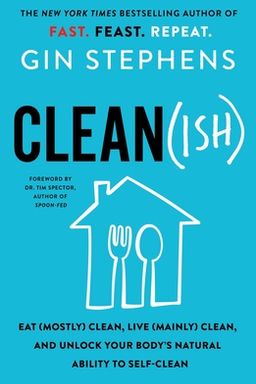
Clean(ish) cover

Clean(ish)

by Gin Stephens

Clean(ish) by Gin Stephens provides a compassionate guide to reducing toxins in your life. Through engaging anecdotes and practical tips, discover how small lifestyle changes can unlock your body''s natural ability to self-clean, promoting a healthier and happier you.

Clean(ish): The Sustainable Path to Health

What if getting healthy didn’t require perfection? In Clean(ish), Gin Stephens argues that lasting health and vitality come not from rigid purity but from practical, flexible habits that lower your toxic load while letting life remain enjoyable. Her guiding idea is simple yet radical: you can transform your well-being through small, consistent choices—food swaps, safer products, and everyday practices—that help your body’s natural cleaning systems thrive.

Stephens defines being clean(ish) as making better choices most of the time—choosing real foods and safer products while ditching the obsessive drive for perfection. That suffix “‑ish” changes everything. You get permission to progress without guilt. Instead of chasing a flawless “clean lifestyle,” you learn a living philosophy that fits your budget, time, and family realities.

A World of Chemical Exposure

Stephens explains that modern life surrounds you with thousands of synthetic chemicals—many untested for long-term safety. These accumulate in your body as a body burden, affecting hormones, metabolism, and brain function. She draws from CDC biomonitoring reports showing widespread exposure to plastics (BPA, phthalates), flame retardants, and perfluorinated compounds (PFAS). Her metaphor for this is vivid: your body is like a bucket collecting chemical drips. When it overflows, symptoms appear—fatigue, brain fog, and stubborn weight gain. Your job is twofold: reduce new drips and strengthen your internal drainage.

The Food System Problem

To understand those drips, you have to look at what’s on your plate. Modern diets, driven by commodity agriculture and Big Food, emphasize cheap inputs—corn, soy, wheat, and sugar—that fuel the rise of ultra-processed foods (UPFs). Stephens connects this to U.S. subsidies that keep these ingredients profitable. Most grocery items are made from engineered crops doused in pesticides like glyphosate, often genetically modified for herbicide tolerance. While scientific debate continues, she applies the Precautionary Principle: choose safety even in uncertainty. That means preferring organic foods and cooking from whole, recognizable ingredients.

The Ultra‑Processed Trap

Ultra‑processed foods hijack your appetite. They are designed to be hyper‑palatable—combining refined oils, sugars, and artificial flavors that overstimulate reward pathways. Stephens cites NIH feeding trials where participants consumed roughly 500 extra calories daily on UPF diets. You end up eating more without realizing it. Even organic UPFs can trigger inflammation and weight gain, as Gin found in her own experience. The fix isn’t to fear food—it’s to eat foods that actually feed your cells and microbes: vegetables, fruits, seeds, legumes, and fermented foods that restore gut harmony.

Your Self-Cleaning Design

Your body is built to detox—your liver, kidneys, lungs, lymphatic system, and even brain glymphatic pathways continuously filter waste. But these systems thrive only when you support them with movement, sleep, hydration, and nutrient-rich foods. Stephens reframes detox as a lifestyle rather than a product or juice cleanse. You don’t fix toxicity by temporary extremes; you cultivate daily habits that make detox automatic. This includes exercise, sweating, sleeping well, and intermittent fasting—the keystone habit of her philosophy.

Intermittent Fasting and Autophagy

Stephens is known for making intermittent fasting accessible. In Fast. Feast. Repeat. she called it “the health plan with a side effect of weight loss.” Here, she expands that idea: fasting gives your body time to repair. When food inputs stop, the body shifts to fat-burning, reduces insulin, and activates autophagy—cellular recycling that clears out damaged proteins and organelles. Research from Yoshinori Ohsumi and Mark Mattson helps explain how fasting triggers molecular housekeeping that supports longevity, immunity, and neurological health. To maximize these effects, she stresses a clean fast: only plain water, black coffee, and unflavored tea during your fasting window.

The Practical Philosophy

Throughout the book, Stephens transforms scientific concepts into daily decisions. She shows you how to use trustworthy tools like the Environmental Working Group (EWG) app to evaluate products, how to prioritize organic purchases using the Dirty Dozen list, and how to make eco-conscious home swaps—from cookware to detergents—without financial strain. Importantly, she ties health not to deprivation but to empowerment. You design your own version of clean(ish): defining what’s non‑negotiable for you, what’s “better,” and what’s acceptable occasionally.

A Compassionate Mindset

Stephens’ own journey anchors the narrative. From years of dieting to discovering fasting and real-food principles, she models growth through self-compassion. Her son’s health improvements after removing dyes and chemicals illustrate the profound effects small swaps can have. You won’t find fearmongering here—just the reminder that you are always one decision away from being cleaner-ish than yesterday.

The essence of Clean(ish)

You aren’t aiming for purity. You’re creating a healthful life that feels real, flexible, and sustainable. Clean(ish) means focusing on what helps most—lowering exposures, eating food that heals, and giving your body space to clean itself—while still enjoying the pleasures that make life feel complete.


Reducing Chemical Body Burden

You live in a chemical world your grandparents never imagined. Gin Stephens emphasizes that modern synthetic exposures—from plastics and pesticides to flame retardants—accumulate as a personal body burden. These invisible compounds disrupt hormones, impair metabolism, and burden detox organs over time. Understanding this background is the first step in living more clean(ish).

Persistent Pollutants and Hormone Disruption

Many substances in your environment are Persistent, Bioaccumulative, and Toxic (PBTs), or Persistent Organic Pollutants (POPs). They linger in soil, water, and fat tissue. Compounds like BPA, phthalates, and PFAS act as endocrine disruptors, interfering with estrogen, thyroid, and insulin signaling, which may promote obesity and infertility. (Stephens cites CDC surveys finding BPA in over 90% of Americans.)

The Bucket Metaphor

Stephens uses the metaphor of your body as a bucket steadily filling with tiny chemical drips. You might not notice until the bucket overflows and symptoms appear—fatigue or brain fog. Reducing the drips (environmental exposure) and improving emptying (detox efficiency) are the two levers for better health. This thinking replaces quick “detoxes” with continuous protection and support.

Prenatal Exposure and Vulnerability

Even before birth, exposures matter. Studies by the Environmental Working Group found hundreds of synthetic chemicals in cord blood. Prenatal contact with plasticizers or pesticides can alter gene expression and increase disease risk decades later. Stephens references these data to underline preventive choices—not paranoia but care for future generations.

Reducing the Load

You can lower accumulation through everyday actions: choose glass over plastic, filter tap water, ventilate rooms, buy fragrance-free products, and eat organic animal fats (pollutants concentrate in fat tissue). When losing weight, do it gradually—stored toxins reenter circulation. Combine healthy weight management with hydration, fiber, and supportive nutrition for your liver and kidneys so your body clears mobilized compounds safely.

Key takeaway

Avoiding chemicals isn’t about fear—it’s about awareness. Small, informed choices gradually lighten the body’s chemical burden and strengthen resilience over time.


Food Choices That Heal

What you eat defines much of your toxic load and health outcome. Stephens weaves together the science of whole foods, the problems with industrial agriculture, and the benefits of nutrient-dense, real ingredients to show how food can be both healing and harmful depending on how it’s produced.

Industrial Food and GMOs

Big Food corporations profit from cheap commodity crops—corn, soy, wheat, sugar, canola—turned into refined oils, starches, and sweeteners. Genetically modified versions are designed for pesticide tolerance, increasing exposures to glyphosate. Stephens advocates for moderation and transparency through the precautionary principle: until proven safe, limit GMO and high-residue foods by choosing organic when possible. She notes organic crops not only reduce residues but often provide richer nutrient profiles.

Ultra‑Processed Food Impact

Ultra‑processed foods skew natural appetite regulation. Their refined oils, added sugars, and artificial flavorings overstimulate reward chemistry and increase calorie intake even without intentional overeating. NIH trials confirm that participants eating UPFs gained weight and worsened metabolic markers. By contrast, traditional and Mediterranean diets—documented in PREDIMED and Blue Zones—combine plant diversity, natural fats, and social eating rituals that foster longevity and stability.

The Microbiome Connection

You are host to billions of microbes shaping immunity, mood, and metabolism. Diverse, color-rich plant foods nourish this inner ecosystem through fibers and polyphenols. Stephens draws on research by Tim Spector’s PREDICT study showing uniqueness in food responses: two people can eat identical meals yet have different glucose outcomes. The principle? Find broadly healthy patterns but adapt to your own biology. Fermented foods—like kefir, yogurt, and sauerkraut—feed beneficial species while supporting gut healing and detoxification.

Eat Clean(ish), Not Perfect

Stephens’ rule is to prioritize high-quality food investments—organic animal products, oil purity, and low‑residue produce—while staying realistic. Use the Dirty Dozen and Clean Fifteen lists to target organic buying strategically. Read ingredient labels: fewer items, recognizable sources, and absence of refined seed oils or flavoring chemicals signal cleaner products. Perfection isn’t required; sustainability is.

Eating for longevity

The simplest formula for long-term health is variety, quality, and moderation. Real food—mostly plants—supports microbiome diversity and reduces lifetime chemical exposure far more effectively than supplements or fads.


Intermittent Fasting and Cellular Cleaning

Stephens treats intermittent fasting (IF) as the cornerstone of daily self-cleaning. You fast every night; IF extends that natural repair window. Beyond weight control, fasting synchronizes hormonal balance and cell maintenance, unlocking autophagy—the body’s internal recycling program.

The Biological Reset

When glycogen depletes after hours without food, your body switches from glucose to fat for fuel and prompts cellular adaptation. Fasting reduces mTOR activity and triggers autophagy, which clears damaged proteins and supports longevity. (Note: Yoshinori Ohsumi’s Nobel research validated these mechanisms.) You can visualize your cells cleaning house—removing inefficiencies to operate better.

Practicing the Clean Fast

Fasting “clean” means avoiding anything that triggers insulin or provides fuel. Stephens insists: no flavored waters, sweeteners, MCT oils, collagen, or broth. Only plain water, black coffee, and unsweetened tea. Sweet tastes—even with zero calories—trigger a cephalic response that undermines fat burning. The discipline is small but powerful: by keeping insulin low, you give your body time to heal, not just slim down.

Flexible Schedules

Common patterns include 16:8 fasting or more flexible alternate-day variations. Stephens encourages experimentation: build a routine compatible with work, family, and energy levels. She clarifies that metabolism doesn’t crash with fasting; studies show resting metabolic rate can actually rise during short fasts. Approach fasting gently—especially if pregnant, breastfeeding, or managing medical conditions—and use the 28‑day FAST Start framework from her earlier book.

Why fasting matters

By periodically creating space between meals, you activate your body’s ancient survival machinery—burning fat efficiently, cleaning damaged cells, and restoring balance. It’s both modern science and primal rhythm.


Supporting Natural Detox Systems

Your body cleans itself every moment through complex systems—liver, kidneys, lungs, skin, lymph, and brain. Stephens clarifies that true detox means helping these organs perform efficiently, not doing extreme juice fasts or relying on supplements. Think lifestyle, not cleansing kits.

Liver, Kidneys, and Skin

The liver uses three phases to modify and excrete toxins: enzymatic transformation, conjugation, and elimination through bile or urine. You feed this system with nutrients like B vitamins, zinc, selenium, and amino acids (glycine and taurine). Kidneys filter constantly; hydration is key. The skin also aids clearance through sweating—regular exercise or sauna therapy helps mobilize waste.

Movement and Sleep

Your lymphatic system lacks a pump; movement, walking, or even rebounding keeps it flowing. Sleep activates the glymphatic system, which cleans brain tissues. Poor sleep traps neurological waste proteins linked with decline. Combine steady physical activity with seven hours of rest to align with natural detox rhythms.

Complementary Tools

Stephens expands your toolkit: sauna, massage, blue-light control, grounding (earthing), and indoor air quality optimization. Infrared sauna studies associate deep sweating with cardiovascular benefits; manual lymph drainage therapy helps fluid balance; reducing blue light improves melatonin cycles and brain detox at night. None are required—but each amplifies innate cleaning processes.

Lifestyle integration

Detox isn’t something you do—it’s something you support continually. Move daily, sleep deeply, sweat purposefully, and minimize exposure. Small daily habits coordinate into the body’s natural purification symphony.


Making Clean(ish) Living Practical

For lasting results, you need systems that fit your life. Stephens turns her philosophy into practical routines—auditing products, cleaning up your home, and enrolling your family without stress or judgment. Her motto: real change happens gradually but intentionally.

Simplify Your Environment

Start by inventorying what you already use rather than purging. Check each item’s EWG score. Replace high-hazard products with safer options as you run out; often mainstream brands outperform "greenwashed" ones. Replace plastics in cookware and storage with glass or stainless alternatives, and choose furniture with Greenguard Gold certifications to reduce indoor off‑gassing. For laundry, vinegar and wool balls beat synthetic fragrance-heavy sheets.

Budgeting and Food Access

Clean eating needn’t be elite. Stephens shares cost tactics—buying frozen organic, seasonal produce, store-brand organics, and cooking simple whole meals. Intermittent fasting itself reduces meal volume, saving money while improving health. Each step multiplies benefit: cleaner food, fewer snacks, lower clutter.

Family Participation

Change works best when you model, not preach. Offer new foods gently and repeatedly; children often need multiple exposures to accept them. Stephens recommends “crowding out” unhealthy options with satisfying real meals—nutrient-dense plates leave less desire for junk. Her story about her son Will’s improvement after removing artificial dyes exemplifies how environment impacts behavior.

Your Personalized Plan

Stephens provides a roadmap: define what clean(ish) means to you across nine focus areas—from fasting and food quality to household and yard safety. Choose your timeline—weekly or monthly—and record what you’ll avoid, limit, and accept. Keep your why visible. Clean(ish) isn’t a sprint but a permanent orientation toward better choices. It’s life lived with curiosity and care.

Core philosophy

You build a cleaner life by design, not by demand. Define your personal "ish," act patiently, involve your household, and track the small wins that compound into major transformation.

Dig Deeper

Get personalized prompts to apply these lessons to your life and deepen your understanding.

Go Deeper

Get the Full Experience

Download Insight Books for AI-powered reflections, quizzes, and more.