
Idea 1
How Childhood Stress Becomes Adult Illness
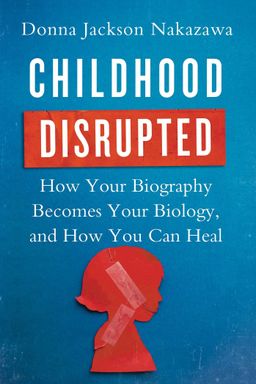
How does adversity in childhood translate into illness decades later? In The Angel and the Assassin and related works, Donna Jackson Nakazawa argues that early emotional experiences get biologically embedded through stress chemistry, gene expression, and immune activity. She shows how growing up amid chaos, neglect, or emotional volatility reshapes developing brain circuits and calibrates the immune system toward inflammation—a process she calls Chronic Unpredictable Toxic Stress (CUTS). The result is a predictable yet reversible cascade: adversity becomes biology, and biology becomes adult disease.
Nakazawa grounds her argument in the landmark Adverse Childhood Experiences (ACE) Study by Vincent Felitti and Robert Anda, which revealed how the number of adversities faced before age eighteen strongly predicts adult health outcomes. Each category—abuse, neglect, or household dysfunction—adds risk for depression, heart disease, autoimmune illness, and even premature death. The researchers discovered a dose–response curve: more ACEs equal higher disease risk, with six or more linked to up to a twenty-year reduction in lifespan. This simple ten-question survey became a revolutionary lens through which medicine could view chronic illness not as random but as deeply biographical.
From Emotional Biography to Physical Biology
Nakazawa’s central idea—called the “biology of biography”—is captured in the phrase “Your emotional biography becomes your physical biology.” She connects emotional neglect, verbal abuse, and loss to disruptions in the stress-response system known as the hypothalamic–pituitary–adrenal (HPA) axis. Chronic unpredictable stress exaggerates levels of cortisol, adrenaline, and inflammatory messengers. Over time, the system loses its ability to turn off, leaving the body marinating in inflammation that degrades tissues and overloads immune circuits.
You can see the pattern in lives profiled across the book: Laura, raised by a bipolar and critical mother, later develops autoimmune thyroid disease and heart problems; John, raised amid domestic violence, suffers hypertension and gut inflammation; Kat, who witnessed her mother’s murder at five, faces severe autoimmune disease decades later. Each biography demonstrates how chronic fear and unpredictability wire the body for hypervigilance that later manifests physically.
The Science of Embedded Stress
Neuroscience explains how stress modifies biology. When early adversity occurs during brain development, cortisol exposure alters epigenetic marks—chemical tags that silence or activate genes. Researchers such as Joan Kaufman and Seth Pollak show that maltreated children carry thousands of epigenetic differences affecting stress-regulating genes. Meanwhile, microglia—the brain’s immune cells—become overactive and begin pruning synapses excessively. Margaret McCarthy’s studies demonstrate that unpredictable stress causes microglia to “murder” neurons, reducing vital brain regions like the hippocampus and prefrontal cortex, both essential for memory and emotional regulation.
During adolescence, when normal pruning should refine circuits, those with prior stress lose too many connections. The result is thinner emotional regulation networks and a lifelong tilt toward anxiety or depression. (Note: This echoes ideas from Dan Siegel’s Mindsight, which shows how experiences sculpt neural integration.)
Why Some Suffer More Than Others
Not everyone with high ACE Scores becomes ill. Genetics and perception matter. Variants like 5‑HTTLPR, NR3C1, and CRHR1 influence how strongly the HPA axis responds. People with certain sensitivity genes react more intensely to stress yet also benefit more from nurturing care. Mark Seery’s “Goldilocks” hypothesis suggests moderate adversity fosters resilience while excessive or unpredictable adversity exhausts biological coping systems. Kelly McGonigal’s findings add nuance: stress harms only when you believe it’s harmful. Interpreting stress as a challenge, not a threat, changes measurable physiology.
Secrecy and shame make trauma more toxic. When families suppress painful truths—as in Kat’s case—the child becomes both victim and silent witness, intensifying shame and internalized blame. Neuroscience shows that retelling and reframing experiences help rewire the brain through memory reconsolidation, providing one route toward healing.
From Disease to Healing
Nakazawa introduces Post-Childhood Adversity Syndrome (PCAS) to describe the constellation of adult emotional and physical patterns originating from early stress: inflammation, autoimmune disease, relationship dysregulation, anxiety, and depression. But she insists biology is not destiny. The same neural plasticity that allowed adversity to reshape the body can enable recovery. Through meditation, body-based therapies, and trauma-informed connection, microglia calm, methylation marks can be reversed, and emotional circuits grow stronger.
The book’s many healing pathways—mindfulness, EMDR, drawing, tai chi, TRE, and loving-kindness practice—are grounded in science and lead to measurable physiological shifts. The twelve-step roadmap Nakazawa offers integrates these approaches, guiding you from awareness to connection. Each step restores immunity and rewrites stress biology. (In parallel, works by Bessel van der Kolk and Peter Levine echo her conclusion: trauma must be released both in mind and body.)
Core insight
Adversity changes biology, but biology retains flexibility. When you uncover, name, and work with your stress imprint, you can rebuild health across brain, immune, and relational systems.
Nakazawa closes with a call for trauma-informed medicine and parenting. Clinicians should ask about ACEs, parents should create predictable nurturing environments, and societies should treat early stability as public health. By understanding how early pain becomes inflammation, you can begin to transform that legacy—and reclaim resilience that was always biologically possible.