
Idea 1
Hustle, Risk, and the Price of Glory
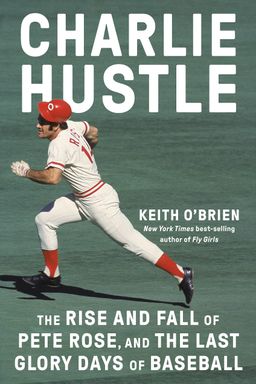
What does it cost to become the embodiment of a sport? In Charlie Hustle, Keith O’Brien argues that Pete Rose’s life reveals how an ethic of relentless effort can elevate you to cultural iconhood—and, when mixed with risk, secrecy, and a changing industry, can also destroy you. The book contends that hustle is more than a style; it’s a lifelong program forged by family, neighborhood, and habit. But to understand Rose’s rise and fall, you must also follow baseball’s transformation into big business, the bright-line prohibition of Rule 21(d), and the way institutions protect trust when heroes don’t.
Across the narrative you watch three arcs interlock. First, a child of Cincinnati’s West Side turns small rituals—running out walks, mirror swings with a heavy bat, headfirst slides—into a brand that sells in a television age. Second, the sport around him modernizes: AstroTurf fields, corporate suites, more TV money, expansion drafts, and an increasingly professional front office culture. Third, the social world that shaped him—penny bets, racetracks, friendly bookies—matures into organized gambling networks that weaponize debt and secrecy. When these arcs converge, the most prolific hitter in Major League history collides with the rule baseball treats as sacred.
Origins: Hustle as Identity
You begin on Braddock Street near the Anderson Ferry, where Big Pete (Harry Rose) turns discipline into love language. He buys boxing gloves instead of shoes, drags his son to River Downs, and orders him to hustle. Uncle Buddy Bloebaum, the tireless scout, opens a pipeline to Phil Seghi and a Class D contract. In Geneva (with Tony Pérez moved to third) and Tampa under Johnny Vander Meer (.331 with a Florida State League record 30 triples), Pete converts hunger and routine—fifty heavy-bat swings from each side, sprinting on walks—into production. Mickey Mantle and Whitey Ford mock him as “Charlie Hustle.” Pete embraces it. (Note: you can trace how great competitors often reclaim ridicule as brand—see Michael Jordan’s “I took that personally” ethos.)
Baseball Becomes Big Business
As Pete grows, the game metamorphoses from Crosley Field intimacy to Riverfront Stadium spectacle: fifty-two thousand plastic seats, AstroTurf, garages, corporate boxes. Bob Howsam and Sparky Anderson engineer discipline—dress codes, weight rules, haircuts—while building a roster for speed and on-base percentage. The Joe Morgan trade (shipping out Lee May and Tommy Helms) looks reckless locally but becomes the DNA of the Big Red Machine. The 1970 All-Star collision with Ray Fosse makes Pete a national avatar of ferocity; the 1975 World Series cements the myth.
The Fault Line: Gambling and Rule 21(d)
The same West Side that taught grit also normalized action. Penny pitches at Schulte’s, the tracks, jai alai, and later small-time bookies like Al Esselman are social glue. But Rule 21(d)—posted on every clubhouse door since the Black Sox era—draws a bright line: no betting on baseball, lifetime ban if you bet on games you influence. As Pete’s circles expand (Joe Cambra in New England’s Operation Moby Dick, Dick Skinner, Ron Peters in Franklin), debts and secrecy grow. Gofer-friends like Tommy Gioiosa and Paul Janszen become runners, couriers, and, eventually, witnesses.
Evidence, Banishment, and Symbol
John Dowd’s investigation under Commissioner Bart Giamatti translates rumor into proof: phone logs from homes and clubhouses, ledgers (including Mike Bertolini’s notes and the Janszen notebook), handwriting analysis, and taped calls with Ron Peters. Confronted with corroboration that he wagered on baseball (and on the Reds), Pete accepts permanent ineligibility in August 1989. Giamatti frames the act as a defense of the game’s integrity, then dies suddenly weeks later, his moral posture hardening into policy. The Hall of Fame bars ineligible players from writers’ ballots, turning punishment into historical erasure.
Aftermath and the Memory War
Pete’s memoir, My Prison Without Bars, and his late confession (2004) aim to change minds but instead fracture trust. Autograph shows monetize contrition—“I’m sorry I bet on baseball” inscribed for a fee—draining sincerity. Reinstatement bids (2004, 2015, 2020, 2022) fail. Friends become collateral damage (Peters dies alone; Janszen lives under whispers; Tommy rebuilds through recovery and school talks). Fans keep lining up for signatures; peers split on Cooperstown; institutions double down on the bright line even as the steroid era reveals other governance gaps. (Compare to Buzz Bissinger’s Friday Night Lights for how small cultures shape big myths.)
The book’s core claim
Hustle can take you to the mountaintop, but in a commercialized sport with unforgiving rules, unmanaged risk can erase a lifetime of work in a single institutional act.
If you care about excellence, governance, or reputation, this story is a manual: build habits; know the rules you cannot break; mind the networks that carry you; and remember that in the TV age a single replay—a headfirst slide, a press conference line—can define you longer than your best season.