
Idea 1
Craft, Power, and Self-Rescue in Food Media
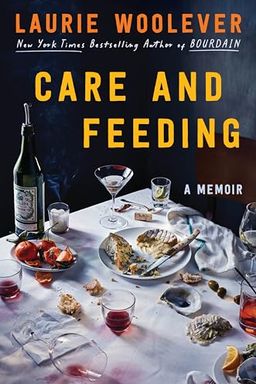
How do you build a life in an industry that feeds on performance, pressure, and proximity to fame—without losing yourself? In this candid memoir, Laurie Woolever shows you the intertwined economies of kitchens and media: craft and hierarchy, mentors and gatekeepers, class and aspiration, sex and secrecy, addiction and recovery, motherhood and money, reckoning and grief. Across restaurants like Babbo and Les Halles, magazines and PR gigs, and years assisting Anthony Bourdain, she maps the costs of access and the work of rebuilding. You don’t just learn how a creative career grows; you see how it survives.
The world you enter: kitchens, media, and status
From the French Culinary Institute’s knife drills to Babbo’s garde-manger, Woolever demystifies the craft behind the glamour. Kitchens function like militaries: you master tourné potatoes, hold emulsions under heat, and accept that burns and embarrassment are part of learning. Meanwhile, the media and hospitality circuit operate on subtle class codes and conspicuous authenticity—how you dress, speak, and consume all signal belonging. A “hayseed” insult in an early interview and the Smiths’ penthouse of fat-free tomato sauce (labels perfectly faced) teach her that taste and status often masquerade as virtue.
Power, mentorship, and their double bind
Proximity to stars—Mario Batali and Anthony Bourdain—grants Woolever trips, cookbooks, and bylines. With Mario, access comes with strings: loyalty, eroded boundaries, and dependence; with Tony, the stewardship is healthier and better paid, but still embeds her in a system where fame shapes credit. She’s asked to manage calendars, write copy, test recipes, and filter a blizzard of requests (from tattooed superfans to charity asks). The lesson is blunt: access is leverage only if you convert it into independent capital you control—credits, contracts, and relationships beyond any one mentor. (Compare to other creative industries where assistants ghost a brand but rarely appear on the masthead.)
Addiction’s emotional economy
Substances serve as tools and traps. Daily vodkas with Alejandro soften humiliation; joints steady late-night recipe testing; Ativan and Percocet tame flights and postpartum pain. The fixes are temporary but seductive. Use escalates from social lubricant to maintenance dose, and the same culture that rewards alcohol-fueled charm normalizes risky coping. You watch the slide: near-blackouts, humiliations (vomiting during an Atlantic City trip), and danger (driving sick on the highway). The narrative insists that awareness alone won’t save you; change demands structure—meetings, sponsors, and new routines that replace secrecy with support.
Sex, secrecy, and fallout
In restaurants and media, sexualized banter and boundary-blurring coexist with professional life. A workplace ass grab by Mario gets minimized to keep the peace; strip-club detours, affairs with colleagues (Noah, Roger, Bob), and later entanglements with Greg and Jack grow from the same stew of adrenaline, status, and escape. Secrecy corrodes marriage and self-respect, culminating in a devastating confrontation when Alex discovers a misfiled essay about her affairs. That collapse forces legal, financial, and parenting decisions—proof that transgression has administrative aftershocks you cannot outrun.
Motherhood, money, and the practical grind
Postpartum life flattens any fantasy of seamless work-life flow. A C-section, a morphine haze, a ranula under baby Eli’s tongue that requires six-week surgery—plus the economic gut-punch of daycare consuming most of a salary—push Woolever to move to Jackson Heights and renegotiate work. She toggles between part-time magazine roles, private cheffing, and freelance writing, discovering that exposure rarely pays the rent. The portfolio approach—multiple revenue streams, meticulous negotiation, and written agreements—becomes a survival skill.
Core tension
The same networks that lift you up can keep you quiet; the same rituals that make you belong can make you sick; the same love that stabilizes you can destabilize when you hide.
Reckoning and grief
As #MeToo reshapes the industry, Woolever weighs loyalty against truth and ultimately speaks to reporters about Mario’s behavior. She navigates threats and surveillance whispers, learning how accountability happens in increments—phone calls, corroboration, encrypted texts. Then Bourdain’s suicide rips a hole in her life, blending private grief with public myth-making. She handles logistics, replays final texts, and resists canonization that erases complexity. Work—finishing books like World Travel and stewarding an oral biography—becomes both income and memorial.
What this book gives you
You walk away with practical models for boundaries and credit; a granular view of how kitchens shape competence; a frank map of addiction and recovery; and a humane account of parenting, partnership, and grief under pressure. It’s a cautionary tale and a toolkit: document agreements, diversify income, seek sober community, and speak even when the culture rewards silence. (Note: if Kitchen Confidential glamorized the chaos, this memoir inventories its costs and shows the patient work of repair.)