
Idea 1
The Science of Capturing Attention
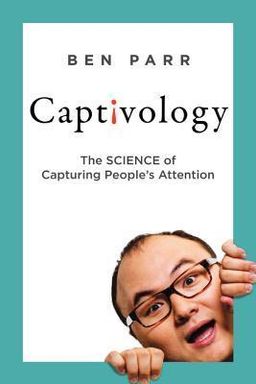
Why do some ideas instantly grab us while others fade into the background? In Captivology, Ben Parr tackles one of the most important questions of modern life: how do we get—and keep—people’s attention in an age of constant distraction? Drawing from neuroscience, psychology, and hundreds of real-world examples, Parr argues that attention isn't about luck or charisma—it's a learnable science. If you understand how attention works, you can ignite interest, maintain focus, and build engagement over time.
Parr contends that attention is the invisible currency of communication, business, and creativity. It’s the filter through which every experience passes, from the stories we remember to the brands we love. In his metaphor, attention behaves like a bonfire: first, you spark immediate attention—a visceral reaction to something distinctive; second, you fuel short attention—focused engagement with novelty and usefulness; and finally, you sustain long attention—deep emotional or intellectual investment that lasts. Across these stages, Parr introduces seven psychological triggers that light and sustain this bonfire.
The Three Stages of Human Attention
Human attention runs on three levels: immediate, short, and long. Immediate attention is automatic—the sudden shift when something surprises or alarms you. Short attention engages focus and curiosity; it’s the cognitive stage where novelty drives learning and motivation. Long attention, however, stems from familiarity and meaningful connection—it’s the foundation of loyalty and long-term relationships. Parr likens cultivating attention to building kindling and logs for a fire: you start small, then gradually nurture it into lasting warmth.
Why Attention Matters
Modern life overwhelms us with thousands of stimuli: tweets, notifications, ads, emails, headlines. Parr’s core argument is that this information overload makes attention our most scarce resource. Yet most creators, teachers, and entrepreneurs treat attention as an afterthought, believing that “if you build it, they will come.” Parr calls this mindset the fatal flaw of innovation—the myth that great ideas automatically attract notice. Without strategic attention, brilliant products, art, or messages vanish unnoticed, much like Van Gogh’s paintings during his lifetime or Alfred Wegener’s ignored theory of continental drift.
The Seven Captivation Triggers
To help readers harness this power, Parr organizes attention into seven triggers, each grounded in scientific evidence and human behavior:
- Automaticity Trigger – Using sensory cues like color, sound, and symbols to attract instant reaction.
- Framing Trigger – Reframing perception by aligning messages with or shifting people’s worldview.
- Disruption Trigger – Violating expectations with surprise and contrast to jolt focus.
- Reward Trigger – Activating motivation through intrinsic and extrinsic incentives.
- Reputation Trigger – Leveraging trust and social proof from experts, authorities, and crowds.
- Mystery Trigger – Using suspense and unanswered questions to sustain curiosity.
- Acknowledgment Trigger – Creating emotional connection through recognition, validation, and empathy.
By mastering these seven triggers, Parr promises you can rise above the noise—whether you’re pitching investors, teaching students, launching a brand, or nurturing relationships. Attention isn’t manipulation; it’s empathy. Understanding what drives focus helps you connect more meaningfully.
A New Lens on Influence
In many ways, Captivology builds on work like Daniel Kahneman’s Thinking, Fast and Slow and Robert Cialdini’s Influence, but narrows its focus to the mechanisms of attentional capture. Parr blends academic studies with stories—how Beyoncé’s surprise album release disrupted music marketing, how Shigeru Miyamoto designed Mario’s recognizable look, or how the Make-A-Wish Foundation captivated millions with “Batkid.” These examples show attention’s anatomy in real situations.
Why It Matters to You
Every aspect of life—leadership, teaching, art, entrepreneurship, even relationships—depends on attention. Understanding how triggers work allows you to shift from begging for notice to commanding it ethically and intentionally. Parr’s book is ultimately about awareness: noticing why you’re drawn to certain ideas and how you can consciously direct that power. As he concludes, attention is “the conduit through which we experience our world.” Mastering it may be the most human skill of all.