
Idea 1
Forged in Duty and Purpose: The Making of a Battle-tested Leader
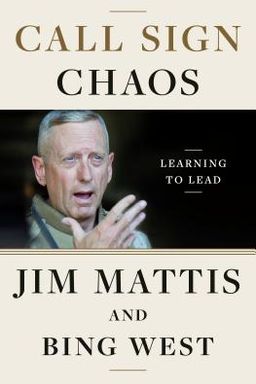
What does it take to turn a restless young man into one of history’s most disciplined, respected military leaders? This question sits at the heart of the story of Jim Mattis—a Marine who rose from carefree beginnings to become a figure synonymous with courage, conviction, and enduring leadership. His journey isn’t merely about war; it’s about finding purpose through adversity, mastering the fundamentals of leadership, and grappling with moral complexity in the face of national and global crises.
The book chronicles Mattis’s transformation—from the wild youth in Richland, Washington, to the seasoned commander leading thousands in Iraq and Afghanistan. It’s not just military history; it’s a chronicle of leadership forged by experience, discipline, and humility. Each chapter reveals how a man evolves through defining moments—from surviving a life-threatening fall on an icy ridge to commanding victories under impossible circumstances.
Discovering Purpose in the Face of Mortality
Mattis’s defining moment comes early. After tumbling down a ravine and narrowly escaping death, he recalls a Vietnam veteran’s words: “We don’t get to choose when we die, but we can choose how we meet death.” That quote reframes his life. It becomes the seed of his personal code—that life’s meaning isn’t found in comfort but in service and integrity under pressure. This epiphany transforms a restless wanderer into a man devoted to duty and adventure.
His upbringing in Richland—a city shaped by patriotism and nuclear-era innovation—reinforces these ideals. The soldiers and engineers of the Hanford project gave young Mattis a sense of collective mission. Adventure came naturally to him; leadership would follow by necessity.
From Raw Recruit to Reluctant War Strategist
Through Vietnam-era training, the deeply flawed early 1970s military structure, and the rise of terrorist warfare post-9/11, Mattis learns that leadership isn’t about authority—it’s about credibility. He adopts three principles that remain constant through his life: competence, care, and conviction. Competence earns respect; care builds trust; conviction sets the emotional tone that rallies men around shared ideals.
This triad becomes his compass during America’s most turbulent conflicts—from the disciplined execution of the First Gulf War to the chaotic aftermath of Iraq’s fall and the frustrating restraint in Afghanistan. Mattis embodies the paradox of military command: executing policies he sometimes questions while defending the institution that demands unwavering obedience.
Leadership in Times of Moral Dilemma
Mattis’s leadership emerges most vividly when doctrine clashes with human cost. His frustration in Afghanistan—over being denied the chance to capture Osama bin Laden—isn’t merely tactical; it symbolizes the disconnect between ground-level insight and political hesitation. Later in Iraq, the disbandment of the Iraqi army and rushed elections exemplify how chaos festers when strategy ignores on-the-ground realities. Mattis embodies the principle that leadership isn’t about blind obedience—it’s about moral clarity amid confusion.
When politicians and generals falter, Mattis resorts to timeless wisdom: “The object of war is a better state of peace.” His story illustrates what happens when that principle is ignored—how well-intentioned interventions lead to prolonged instability and the eventual rise of ISIS.
Why This Story Matters to You
Whether you’re leading a company, teaching a class, or guiding a family, the lessons apply universally. Mattis’s story teaches that purpose is discovered through hardship, leadership through practice, and peace through disciplined patience. It’s about confronting the reality that decisions matter less than how one holds steady under them. Leaders aren’t forged by abstract ideals—they’re shaped by facing chaos with clarity and compassion.
Across wars and decades, Mattis’s evolution reflects a theme we all grapple with: how to balance conviction with humility. His journey reminds you that leadership isn’t about being right—it’s about being ready. And sometimes, doing the job well means questioning it deeply.