
Idea 1
The Secret to Unlocking the Stress Cycle
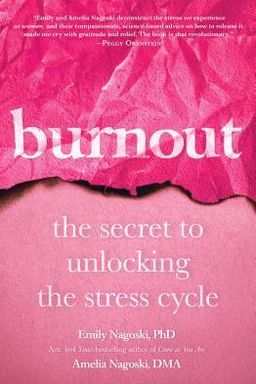
When was the last time you felt like you had nothing left to give—yet still kept going? In Burnout: The Secret to Unlocking the Stress Cycle, sisters Emily and Amelia Nagoski tackle that feeling head-on. They argue that women are not broken, stressed, or failing because they’ve done something wrong; they’re burned out because the system itself is rigged. Burnout happens not because you don’t try hard enough, but because cultural expectations, emotional exhaustion, and impossible standards keep you trapped in cycles you don’t know how to complete.
The authors contend that wellness is not a permanent state of calm or control—it’s a dynamic state of action. They reveal a revolutionary idea: to truly recover, you must complete the stress cycle. Instead of endlessly managing stressors—work, family, relationships—you must let your body process and release stress itself. Only then can you reclaim energy, restore joy, and resist the cultural demands that tell women their worth lies in pleasing others.
Stress, Emotions, and Human Giver Syndrome
The Nagoski sisters open by explaining the link between emotions and physical health. Stress, they say, isn’t just mental—it’s a full-body phenomenon involving hormones, nerves, and muscles. The trouble begins when modern life keeps you stuck in stress responses designed for escaping lions, not dealing with difficult colleagues. You handle the stressors, but never discharge the stress. The result is burnout—a body that’s been told to keep fighting long after the battle ended.
Compounding this is what they call Human Giver Syndrome, a term borrowed from philosopher Kate Manne. In this unwritten moral code, women are expected to give their energy, attention, and affection endlessly while showing neither anger nor need. They must be pretty, happy, calm, generous, and always attentive to others—never ugly, angry, or demanding. Burnout, therefore, isn’t simply an individual failure. It’s the predictable result of a culture that denies women permission to be fully human.
The Science of Wellness and the Cycles of Being Human
The book blends psychology, neuroscience, and humor to show that wellness is cyclical, not static. Emotions, energy, and meaning move through predictable rhythms—stress and recovery, effort and rest, social connection and solitude. When you complete these natural cycles, your body feels safe again, and the disruption caused by chronic stressors begins to heal. When you ignore them, your body literally revolts. (Matthew Walker’s Why We Sleep reaches a similar conclusion: rest isn’t a luxury; it’s survival.)
Throughout the book, we follow two women—Julie, a teacher facing overload and illness, and Sophie, an engineer who collides with systemic sexism in her work. Through their stories, you see how even the most competent, passionate women are undermined by burnout when they internalize the expectation of self-sacrifice. Julie’s body collapses from ignored stress. Sophie turns her righteous anger into transformation, using humor and science to subvert the system itself.
The Real Enemy and the Path to Resistance
The authors situate burnout within a larger social struggle—the “patriarchy” (as they wryly add, “ugh”). This system doesn’t just cause stress; it keeps women trapped by convincing them the stress is their fault. Gaslighting, chronic mild stress, and headwinds—like being paid less, interrupted more, and expected to smile—create learned helplessness. The antidote, they argue, begins when you name the enemy and reclaim rest, connection, and self-compassion as acts of rebellion. As they put it, “You can’t spell resist without rest.”
They also reframe emotional labor as political work. Every time you let yourself rest, every time you complete the stress cycle instead of suppressing it, you push back against a system that would prefer you exhausted and silent. You can’t change the entire world alone, but you can change your relationship to it. And that change matters.
From Burnout to Joy
Ultimately, Burnout argues that joy—not productivity—is the mark of true wellness. Joy arises from connection, meaning, and compassion for oneself. The book closes with a call to collective healing: “The cure for burnout is not self-care,” the authors write, “it is all of us caring for one another.”
In the end, this guide is both scientific and feminist, practical and tender. It’s not just about surviving your stress—it’s about dismantling the shame and exhaustion that have been passed down for generations. Through science, story, and sisterhood, the Nagoskis offer a radical invitation: to stop trying to be enough for everyone else and begin being fully, unapologetically human.