
Idea 1
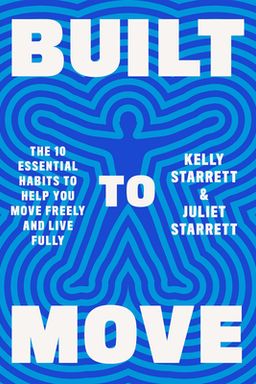
Built to Move: Your Body’s Readiness Blueprint
Kelly and Juliet Starrett’s Built to Move redefines mobility as a practical foundation for a long, active, pain-free life. Their thesis is clear: mobility is not an optional exercise trick—it’s your body’s readiness metric. They argue that mobility is a living indicator of how well your systems—joint range, muscle control, fascia, breath, sleep, and nutrition—integrate to support daily life. Think of it as a barometer that reflects whether your body can meet any challenge, from sprinting to carrying groceries or getting off the floor.
Mobility as a vital sign
The Starretts structure the book around ten Vital Signs—simple tests and practices that translate complex physiology into everyday metrics. “10 tests + 10 practices = 10 ways to make your body work better.” Each test reveals gaps in your movement health; each practice becomes a form of self-maintenance. The message is empowering: mobility isn’t fixed or dependent on age or athleticism—it’s trainable and measurable for anyone.
They open with a story from the 2000 World Rafting Championships on Chile’s Futaleufú River. Juliet rescued Kelly, passing him a life jacket. That story mirrors their philosophy—the right small tools and preparation can keep you from being overwhelmed when life gets turbulent. Their programs, from MobilityWOD to The Ready State, evolved to serve soldiers, CrossFitters, casual office workers, and aging adults alike. You don’t have to be an athlete to benefit; you just need consistency and curiosity.
System-level mobility
In their view, mobility means your joints move through full range with control; your muscles fire appropriately; fascia glides freely; breathing stabilizes the spine; and your tissues recover with adequate sleep and nutrition. When this network fails, stiffness and pain appear. Mobility is therefore not just flexibility—it’s coordination and integration across systems. (Compare Gray Cook’s Functional Movement Screen, which also treats movement as a whole-body symphony.)
Preparing your body for real life
You don’t perform mobility for performance alone—you do it to sustain your life’s demands. Vital Signs like the Sit-and-Rise Test, the Breath-Hold Test, and the Couch Test show how everyday actions illuminate global health. These simple diagnostics cut through complexity to reveal whether you can adapt, recover, and move freely as you age. The Starretts want readers to reclaim basic biological movements—standing, walking, squatting, breathing well—behaviors that modern environments have stripped away.
The book’s practical frame
Each Vital Sign unfolds through a repeatable test and an accompanying practice: floor sitting shapes hip mechanics; breathing calibrates the nervous system; hip extension unlocks gait; walking regulates circulation; standing counters sedentary risks; and eating and sleeping optimize tissue recovery. These chapters weave physiology with stories—athletes, military teams, and real-world clients—showing measurable transformation through small daily inputs, not extreme regimens.
Core message
You can assess and improve your body through 10 simple Vital Signs—tools so basic they fit into ordinary routines yet powerful enough to reshape long-term health. Mobility is predictive, improvable, and the best proxy for how ready your body is to live fully.
A lifestyle philosophy
Ultimately, Built to Move isn’t about workouts—it’s about designing a movement-rich life. Mobility anchors strength, cardio, nutrition, and recovery. These habits become a safety net and a performance amplifier. The Starretts translate decades of physical-therapy and coaching wisdom into a protocol anyone can follow: measure, apply gentle daily mobility, optimize sleep and diet, walk more, and make sitting less of a default. The payoff? You gain not just flexibility but resilience—the ability to adapt to every stressor life throws your way.
In sum, the book offers a blueprint for readiness across all stages of life. Whether you’re a parent, athlete, or desk professional, the combination of simple tests and micro-practices gives you agency over your body’s lifespan. Mobility, the authors insist, is your most honest and universal vital sign—the one number-worthy indicator of how well you’re built to live.