
Idea 1
Building the Life You Want Through the Science of Happiness
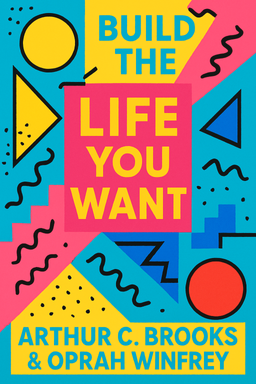
What if happiness wasn’t something that happened to you, but something you could build—brick by brick—using science, deliberate choices, and compassion? In Build the Life You Want: The Art and Science of Getting Happier, Arthur C. Brooks and Oprah Winfrey make a bold claim: happiness isn’t a mood or destination but a practice, a skill, and a lifelong construction project. The authors combine Oprah’s decades of observing human joy and sorrow with Brooks’s research as a Harvard social scientist to create a practical path toward ‘getting happier’—not being perfectly happy, but steadily, consciously happier over time.
Redefining Happiness and Unhappiness
The book opens by dismantling two widespread myths: that happiness is the ultimate goal and that unhappiness is its enemy. Brooks and Winfrey argue that life’s richness stems from embracing both—the good and bad feelings that propel us to learn, grow, and love more deeply. Using illustrative stories, such as the professor Randy Pausch’s joyful final lecture before his death, and Albina Quevedo’s late-in-life wisdom from a Barcelona apartment, the authors show that joy is not the absence of pain but the cultivation of purpose, satisfaction, and gratitude in spite of it. Happiness, they insist, contains three 'macronutrients': enjoyment (conscious pleasure shared with others), satisfaction (earned achievement), and purpose (meaning beyond the self). These ingredients, balanced and practiced, create sustainable happiness.
Taking Control: The CEO of Your Life
One of the most empowering insights comes from Albina Quevedo’s transformation at midlife: instead of waiting for circumstances to change, she realized she was “the CEO” of her own emotional life. Brooks uses this metaphor to teach metacognition—the ability to observe and manage one’s feelings instead of being ruled by them. Oprah echoes this lesson in her own words: “Feel the feel, then take the wheel.” This means seeing emotions not as tyrants but as signals requiring conscious action. You can’t eliminate sadness or anger, but you can decide how to respond to them. This shift from reaction to choice marks the beginning of emotional freedom.
From Inner Mastery to Outer Building
The authors divide the journey to happiness into two parts. The first half focuses on emotional mastery: understanding what happiness is, practicing metacognition, choosing better emotions through gratitude, humor, hope, and compassion, and focusing less on yourself. These inner shifts lay the foundation for the second half—building what matters most. Once you’re managing your emotions, you can construct a happier external life through the four great pillars: family, friendship, work, and faith. Brooks likens this to physical training: emotional self-management is like getting fit; it enables you to climb higher and take on deeper challenges in your relationships and purpose.
The Architecture of a Happier Life
Each pillar of happiness—family, friendship, work, and faith—is explored through vivid examples and social science. Families, they argue, don’t need to be perfect; they need to be honest and forgiving. Friendships flourish not through usefulness but through 'virtuous uselessness'—the joy of connection without transaction. Work becomes meaningful when it is 'love made visible,’ as poet Kahlil Gibran said, aligning earned success and service to others. Faith (or transcendence) provides the wide-angle lens that lifts us beyond the narrow self and daily grind. Whether or not you identify with a religion, cultivating awe, mindfulness, and spiritual curiosity can make life feel more alive and coherent.
The Teacher You Become
The book concludes by urging you to teach what you learn. Happiness grows when shared. Brooks introduces ‘plastic platypus learning,’ a quirky but scientific method encouraging readers to explain key concepts aloud—to a real person or even an inanimate object—to internalize them. Oprah links this idea to her lifelong calling as a teacher and mentor. Teaching happiness, they argue, crystallizes wisdom and helps others build their lives too, creating an upward spiral of compassion and joy. The overarching message: you are not helpless in the tides of life. You can manage emotions, build stronger relationships, find meaningful work, embrace transcendence, and finally, share these lessons—because happiness, like love, multiplies when given away.