
Idea 1
Building a Better Workplace Through Rebellion
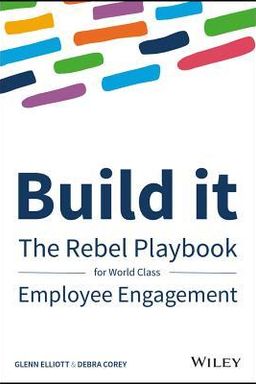
Why do most people dread Monday mornings, even in supposedly thriving organizations? In Build It: The Rebel Playbook for World-Class Employee Engagement, Glenn Elliott and Debra Corey argue that our workplaces have become detached from basic human principles—and that to fix them, we have to rebel against outdated management practices. They believe the future of work depends on leaders and HR professionals daring to break the rules that keep employees disengaged, mistrustful, and uninspired.
This book presents a radical yet practical approach to transforming company culture through what the authors call the Engagement Bridge™: a ten-part model designed to help leaders connect their people to purpose, trust, and meaning. Far from a theoretical framework, the bridge is assembled from real practices drawn from companies around the world—“rebel” organizations that outperform competitors by treating people as adults and making engagement a conscious strategy, not an afterthought.
The Engagement Crisis
Elliott and Corey begin with a startling truth: despite decades of talk about engagement, most people still feel disconnected at work. Surveys from Gallup and others show that only about 30% of employees are engaged, while 70% remain disengaged or apathetic. Yet the data are clear—engaged organizations enjoy twice the stock market performance, more innovation, and lower turnover. The problem isn’t a lack of evidence; it’s that traditional corporate systems are fundamentally disengaging. “We’ve known for over a hundred years that treating people better gets better business results,” the authors remind us.
So why doesn’t every company do it? The authors argue we’ve built policies based on the belief that employees can’t be trusted. We measure attendance instead of contribution, create pay systems that breed jealousy, and communicate so little that cynicism fills the gaps. Elliott and Corey declare that there’s only one solution: stop tweaking the edges and start rebelling—fundamentally redesigning how we treat people at work.
The Bridge Between People and Purpose
The Engagement Bridge™ model serves as both a blueprint and mindset. It’s composed of ten interlocking elements—ranging from leadership and communication to job design and wellbeing—that together create a thriving culture. The authors emphasize this interplay: you can’t separate leadership from communication or recognition from visibility. Culture emerges from how all these parts connect. The bridge is a guide, not a step-by-step manual; it helps organizations assess where they stand and which beams to strengthen first.
- Connecting elements: Open & Honest Communication, Purpose Mission & Values, Leadership, Management, Job Design, Learning, and Recognition.
- Underpinning elements: Pay & Benefits, Workspace, and Wellbeing, which serve as the ‘rocks’ stabilizing the whole structure.
Culture, they argue, is not an abstract thing you “have”—it’s the product of everyday decisions by leaders and managers. Every policy either reinforces or undermines engagement. Culture sits at the top of the bridge, the outcome of all those inputs.
The Rebel Ethos
Elliott and Corey’s “rebel” framing is deliberate. They claim that improving engagement requires resisting the comfortable, conventional HR script. Rebels don’t accept old assumptions like “people are lazy” or “we need more control.” Instead, they believe in radical trust—giving employees the information, autonomy, and context to make good decisions for themselves and the business. Real engagement comes when employees understand the organization’s goals, see how their role contributes, and choose to care about the company’s success.
Throughout the book, stories from companies like Netflix, Google, BrewDog, LinkedIn, Adobe, and Atlassian illustrate what rebellion looks like in practice. These examples—called “plays”—show that engagement isn’t about perks or slogans, but about fairness, authenticity, and meaning. Netflix’s “no brilliant jerks” policy and slack’s empathetic value statements illustrate how culture and values must be lived, not laminated.
Why This Matters Now
In a world of accelerating change and competition, companies need their people on their side like never before. Technology has flattened hierarchies, democratized information, and exposed toxic cultures on platforms like Glassdoor. Leaders no longer just answer to their bosses—they must also earn the consent of their teams. As the authors put it, “Leaders used to be hired and fired by their bosses. Now they can be rejected by the people they lead.”
The “rebelution,” as Glenn and Debra call it, is not about being reckless but human. They remind us that the best engagement strategies resemble childhood lessons: tell the truth, admit mistakes, be kind, and treat people the way you’d like to be treated. Building a better place to work isn’t about inventing new jargon like “employee experience” or “organizational health.” It’s about returning to these timeless principles with courage and consistency.
In short, Build It challenges you to lead an authentic, transparent, and trust-based workplace revolution. Over the following chapters, Elliott and Corey show how to rebuild ownership, meaning, and humanity into every layer of the organization—from how you design jobs and recognize effort to how you shape learning, wellbeing, and leadership itself. Think of it as both manifesto and toolbox for anyone ready to reject disengaging traditions and construct a workplace worth caring about.