
Idea 1
How Tech’s Culture Excludes—and Can Change
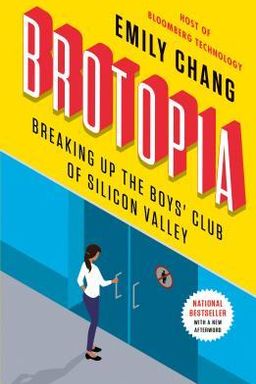
Why does an industry that prides itself on innovation still struggle with inclusion? In Brotopia, journalist Emily Chang argues that Silicon Valley’s gender imbalance isn’t an accident of aptitude but the byproduct of choices—who gets hired, funded, and celebrated—that trace back to the field’s earliest days. She shows how cultural habits, from lab jokes to venture capital networking, built a tech economy that rewards the masculine archetype of genius and risk-taker while sidelining others.
The book weaves history, data, and first-hand accounts into a portrait of how gendered norms took hold—and how, through policy, accountability, and imagination, they might change. You move from the origins of computing as a women’s domain to the rise of the “brogrammer” ethos, from corporate failures like Uber to hopeful models at Slack and Girls Who Code. Each story exposes the subtle links between culture, power, and design.
From Hidden Founders to a Male Ideal
Chang begins by reminding you that early computer pioneers were women. Ada Lovelace imagined the first algorithm, Grace Hopper built compilers, and the ENIAC programmers debugged the first digital machines. Through the 1960s, programming was even marketed to women (“The Computer Girls”). But a later generation of psychologists and managers redefined the ideal coder as antisocial, puzzle-obsessed, and male. As corporate recruiting followed that stereotype, the gender balance reversed sharply by 1984, when women’s share of computer science degrees peaked—and then halved within a decade.
This historical pivot set the stage for decades of bias disguised as logic. When “fit” became a proxy for competence, job screens favored those who looked and acted like existing teams. A myth of meritocracy took hold, masking social homogeneity as objectivity. PayPal’s founders called themselves “all the same kind of nerd.” That sameness bred network effects: those who looked and thought alike got funded again and again, while outsiders struggled to enter.
How Culture Became Code
Chang illustrates how cultural attitudes creep into technical decisions. One emblematic example is the “Lena” image: a Playboy centerfold cropped and used for decades as a standard test file in engineering papers. On its face, it was convenient—a detailed, high-frequency image for algorithm testing. But its persistence as an industry standard normalized a worldview where women were test data, not peers. When engineers laugh off such choices as harmless, they signal who belongs in the lab and whose image is fair game.
From that small decision ripples a pattern: disregard for the gendered meaning of symbols, jokes, and examples; workplaces unaware of how defaults shape belonging. You see it echoed later in tech’s office styles—keg-fueled hackathons, off-sites at strip clubs, endless nights of “work hard, play hard.” What began as harmless culture crystallized into a gatekeeping system.
When Power Meets Gender
The book’s second half dives into the machinery of modern inequality—venture capital, scandals, and sexual politics. From Ellen Pao’s lawsuit against Kleiner Perkins to the Justin Caldbeck scandal, Chang shows how an unregulated, male-dominated funding system amplifies bias. When the people holding capital are almost all men, the startups that thrive often mirror their interests and networks. Add social rituals—sex parties, strip-club dealmaking, and tolerance of predatory behavior—and you get an industry where the risks are social as much as financial for women.
Even sincere reformers like Google discovered how scale and inertia fight back. Despite early female leadership and inclusion policies, growth re-centered the male-coded norm of assertive debate and relentless competition. Susan Fowler’s account of Uber showed where that unchecked culture leads: normalized harassment, failed HR systems, and the moral blindness of “high performers.”
Toward a Better Blueprint
Yet Chang also offers models for improvement. Slack restructured its hiring to remove biased filters, quit whiteboard tests, and measure progress publicly. Companies like Winnie and Quip redefined productivity around sustainable hours and family life. These examples show that culture can be engineered just as technology can—if leaders treat inclusion as design, not charity.
Ultimately, Brotopia teaches that the way tech builds itself—its jokes, test data, recruiting networks, and funding rituals—forms the invisible framework of who participates in innovation. Change begins when you recognize that no technical system is culturally neutral and that inclusion is not just moral good but competitive advantage. To reprogram Silicon Valley, you must debug its myths of neutrality and write a different social code.