
Idea 1
Brotherhood, Sound, and the Cost of Greatness
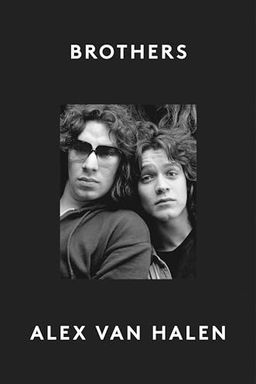
What does it take to build something bigger than yourself—and hold it together when success, money, and fame start prying it apart? In Brothers, Alex Van Halen argues that the engine behind Van Halen’s sound was not just dazzling chops or pyrotechnics; it was an unbreakable bond between two immigrant brothers who forged a voice in common. He contends that creativity at the highest level requires fierce loyalty, relentless work, and the nerve to reinvent—even when that reinvention threatens the story everyone else wants to keep telling. And he insists that the bill for greatness eventually comes due: in bodies, relationships, and time.
Told in Alex’s wry, kinetic voice, the book weaves a love letter to his younger brother, Edward, with a backstage history of one of rock’s most original bands. It’s a story about family (Dutch saxophonist Jan and Indonesian-born Ottie), migration (Holland to Pasadena by ship, train, and grit), and the long apprenticeship that turned two piano kids into architects of a new sound. It’s also an unflinching look at the creative battles—with producers, front men, managers, and each other—that forged classics, from the street-level swagger of Van Halen (1978) to the triumphant synthesis of 1984.
What the book argues
Alex’s core claim is simple: Van Halen was first and last a brotherhood. The band’s identity—what Alex and Ed called the “brown sound,” warm, woody, and enormous—came from years of playing together in basements, bars, and backyards before labels and managers arrived. You hear it in the way Alex’s drums and Ed’s guitar move like a single organism. Producers, front men, and industry hype mattered, but the band’s soul was a conversation in rhythm and tone between two brothers who had spent thousands of hours learning how to listen and answer each other.
He also argues that showmanship has to serve musicianship. Dave Roth’s charisma, costumes, and comedic runway chatter brought people’s eyes to the stage, but what sent them home changed was the musical feel—that specific lift of a chorus, or the way “Eruption” detonated expectations. When the visuals, business, and personal agendas overshadowed the sound, the center wobbled. (Compare with Keith Richards’s Life: image sells; groove sustains.)
Why this matters to you
You might not be building a band, but you are likely building something with someone—at work, at home, or in a creative partnership. Brothers shows you what it takes to craft a distinctive voice together and keep it intact under pressure. It offers a crash course in balancing excellence and entertainment, loyalty and reinvention, risk and responsibility. And it gives you a front-row seat to the tradeoffs behind iconic outcomes: the brown M&M’s clause, the DIY smoke pots and car-horn rigs, and the endlessly tinkered Frankenstrats that made the impossible sound inevitable.
What you’ll learn in this summary
- How immigrant discipline, Jan and Ottie’s expectations, and years of classical training shaped two kids into a rocket-fueled rhythm section.
- How the band became “Van Halen”: backyard parties, Rodney Bingenheimer, Gazzarri’s, the Starwood, and the Mo Ostin/Ted Templeman signing at Warner Bros.
- How sound is identity: from “Eruption” to the 5150 studio and the keyboard war over “Jump,” culminating in the creative high-water mark of 1984.
- What the music business really costs—and how contracts, touring economics, managers, and merch can hollow out a windfall if you’re not vigilant.
- Why complementary opposites (Roth’s spectacle vs. the brothers’ musicianship) work—until they don’t—and how creative alliances fracture.
- How artists use intoxication to access the sublime—and how that bargain, for Alex and especially Ed, exacts a terrible price.
The stakes—and the coda
Alex frames the whole journey with an overture and a coda addressed directly to Ed. He holds two truths at once: the miracle that was their shared life in sound, and the grief of outliving a younger brother whose genius once felt inexhaustible. “Love stays,” he writes, quoting a fan who reached out after both he and his wife had endured loss. The last pages are full of the physics of memory—energy isn’t destroyed, it changes form—and the mundane holiness of brothers who fought, laughed, invented, and tried to do their job at the highest level.
Key Idea
“We weren’t a rock band. We were a rock ’n’ roll band. Alex is the rock. I’m the roll.” —Edward Van Halen
If you want a field manual for building something distinctive with someone you love—and surviving the attention that comes with making it great—Brothers gives you both the blueprint and the warning label. The music is the proof. The book is the reckoning.