
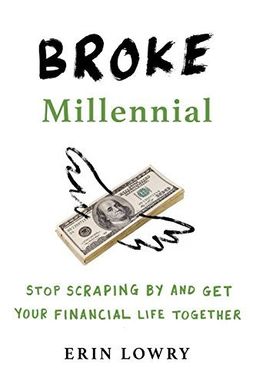
Broke Millennial cover

Broke Millennial

by Erin Lowry

Broke Millennial is an essential guide for young adults seeking to take control of their finances. Erin Lowry delivers practical advice on budgeting, saving, and using credit wisely, enabling readers to move from financial insecurity to stability and success.

Leveling Up Your Money: Making Investing Accessible, Simple, and Human

Have you ever felt like investing is only for rich people or finance experts? Erin Lowry’s Broke Millennial Takes On Investing makes the bold claim that anyone—yes, even broke Millennials—can build wealth through investing once they learn how to start, what risks to manage, and how to stay consistent. Lowry’s overarching argument is that the barriers to investing—complex jargon, fear of risk, and self-doubt—are psychological and educational, not financial. She shows that small, consistent actions, smart strategy, and emotional discipline can turn modest paychecks into lifelong wealth.

Breaking Down the Fear of Investing

Lowry invites readers to rethink everything they assume about investing. Many people wait until they have a big salary or zero debt before adding money to the market, but she insists that this is a mistake. Through stories—like her own moment of hesitation as a cautious twenty-one-year-old and her father’s calm advice after the 2008 crash—Lowry proves that time, not timing, is the real key to wealth. The earlier you start, the more compound interest can work its magic.

Her tone is conversational, more like a friend explaining finance over coffee than a Wall Street lecture. “Investing,” she writes, “is putting your money to work for you.” That simple reframe turns money from something elusive to something active—a friend doing heavy lifting while you live your life. Fear begins to fade when you see investing as empowerment rather than gambling.

Lay the Foundation Before You Invest

Lowry’s famous metaphor—the “financial oxygen mask”—sets the tone for her approach. Before you leap into the market, she says, make sure you’ve earned the right to invest. That means mastering cash flow, paying off high-interest debt, and building an emergency fund. Unlike some “hustle harder” money gurus, she’s practical: you don’t need thousands to get started; you need stability. The right foundation ensures stress-free investing later. Think of it like learning to swim before diving into deep water.

Investing Demystified: It’s Not Only for the Rich

A major thread in the book is accessibility. Lowry explains how technology—apps like Acorns or Robinhood, robo-advisors such as Betterment and Wealthsimple—has opened investing to everyone. Where earlier generations needed $3,000 minimums, you can now start with pocket change and automate your progress. But she warns that these tools are not magic. “Just because it’s simple doesn’t mean it’s effortless.” You must commit to learning how fees, expense ratios, and risk tolerance affect your returns.

This balance of optimism and realism mirrors authors like Ramit Sethi (I Will Teach You to Be Rich) and Vicki Robin (Your Money or Your Life): investing should align with your priorities, not consume your life. Lowry repeatedly asks what you want your money to do—help you buy a home, retire early, or fund creative freedom. That clarity becomes your compass through market swings.

Emotions, Risk, and Discipline

Lowry’s most relatable chapters tackle emotional management. Many Millennials grew up during the Great Recession, watching parents lose jobs and homes. As a result, fear of losing money still lingers. Through stories like her friend Hazel panicking at seeing red numbers on her investment screen, Lowry teaches readers how to protect their portfolios from themselves—by automating contributions, avoiding constant portfolio checks, and understanding that volatility is normal. “Buy and hold,” she repeats, “isn’t just a strategy—it’s emotional endurance.”

She reframes “risk” not as danger but as a tradeoff: you can take minimal risk and save more aggressively, or you can embrace moderate risk and let time amplify smaller contributions. Either way, consistency wins. Her advice—don’t check your portfolio every day, rebalance periodically, and diversify—matches timeless wisdom from experts like Warren Buffett and John Bogle.

Technology and Human Connection

Lowry blends the modern and the timeless. She demystifies robo-advisors and micro-investing apps while emphasizing that technology can’t replace human guidance. Whether it’s your dad’s voice of reason during a downturn or a fiduciary CFP’s strategic advice, human support keeps investors grounded. In her words: “Technology solves the black-and-white. Humans help you see the gray.” The blend of both—automation plus empathy—is the future of personal finance.

Level Up: Learning, Saving, and Acting

The book culminates in an action challenge: set one investing goal for the next year, write it down, and break it into monthly steps. Investing isn’t a finish line; it’s a lifelong habit to “Level Up Your Money.” That optimistic theme runs through every chapter—whether you’re handling student loans, debating between robo and human advisors, or exploring ethical investing, it’s all about empowerment.

Key Idea

Investing isn’t just about beating the market—it’s about beating fear. In a conversational, story-driven voice, Erin Lowry teaches readers to start where they are, trust time over timing, and transform investing from an elite financial concept into a daily act of confidence.


Earning the Right to Invest

Lowry’s first major principle—“earn the right to invest”—shifts the narrative from hustle culture to realism. Investing is powerful, but it’s not a fix for poor financial health. Before you buy any stock or fund, she says, you must stabilize your finances the same way you’d secure your oxygen mask before helping others on an airplane.

Building a Solid Financial Foundation

Erin’s checklist begins with mastering cash flow: know exactly how much comes in and goes out each month. Then, pay off high-interest debt—especially credit cards or payday loans—because no investment can outweigh 20% interest losses. Next, build an emergency fund that covers at least three months of essential expenses. This buffer protects you from having to sell investments during market downturns.

She learned these lessons personally, scraping by in New York City on $23,000 a year while juggling three jobs. Only after stabilizing her finances could she start investing outside of her 401(k). Her tale proves that preparation matters more than income level. “Investing,” she says, “is a privilege you earn through discipline.”

Saving Before You Risk

Her phrase “financial oxygen mask” becomes a recurring metaphor. Many readers rush into investing because they fear missing out, but Lowry warns that without proper savings or insurance, even small risks can trigger financial panic. The goal isn’t just readiness—it’s resilience. When you’re backed by stable cash flow, investing stops feeling like a gamble and starts feeling like opportunity.

Investing as a Skill You Earn

Lowry’s idea connects with similar philosophies from financial advisors like Douglas Boneparth, who says, “You have to earn the right to invest.” Both emphasize preparation as emotional insurance. It’s about knowing yourself—your risk tolerance, goals, and stress triggers—as much as your portfolio. Lowry teaches beginner investors that financial health and emotional readiness go hand in hand.

Key Idea

Before you invest a single dollar, make sure you’ve stabilized your finances. Earning the right to invest means conquering debt, building savings, and knowing your emotional limits—because steady footing makes risk manageable.


Managing Risk and Emotion

For many, risk feels synonymous with danger—but Lowry redefines it as choice. The heart of Broke Millennial Takes On Investing beats with stories of managing emotions during market turbulence. She argues that protecting your portfolio often means protecting yourself from fear-driven decisions.

Seeing Market Volatility Differently

Through Hazel’s anecdote—whose anxiety spiked when red numbers appeared in her account—Lowry shows how emotions can sabotage investments. When your stomach sinks as the market dips, it’s your evolutionary fight-or-flight reflex, not rational thought. Carrie Schwab-Pomerantz and Julie Virta (whom Lowry interviews) remind readers that the market “goes up and down; that’s its nature.” Long-term perspective turns temporary losses into opportunities.

Asset Allocation and Diversification

Two terms—asset allocation and diversification—anchor emotional resilience. Diversification means not putting all your money in one company or sector. Asset allocation balances risk by mixing stocks, bonds, and cash. Jill Schlesinger’s insight captures the tradeoff: “I’m willing to forgo some upside because the downside scares me.” In other words, tailoring your mix to your emotional comfort zone builds confidence to stay invested.

Practical Strategies to Stay Sane

  • Separate bank and investing accounts so you don’t see fluctuations daily.
  • Automate contributions—consistent deposits calm nerves and build momentum.
  • Name your accounts for goals (“Retirement Freedom Fund”) to remember the long game.
  • Check your portfolio yearly, not daily.

This mindset aligns with Buffett’s adage: “Be fearful when others are greedy, and greedy when others are fearful.” By systematizing rebalancing and automation, Lowry turns discipline into self-defense against panic.

Key Idea

Emotional stability is part of your investment strategy. Protect your portfolio by building habits—automation, diversification, long-term thinking—that shield your money from your moods.


Investing While Managing Student Loans

Can you really invest while paying off student debt? Lowry says yes—under certain conditions. She dedicates an entire chapter to calculating whether it’s smarter to invest or aggressively pay loans, balancing emotional satisfaction with mathematical truth.

The Math Behind the Decision

Lowry compares investment returns versus loan interest. If your student loan is under 5%, investing may make sense because the market historically earns 6–8%. But if you’re buried under 7–8% debt, attack it first. She brings the concept alive through fictional Olivia—who decides between paying $200 extra toward loans or putting it in an S&P 500 fund. Over eight years, investment wins—but only if she maintains discipline and avoids emotional selling.

Balancing Math with Emotion

Logic says invest early; emotion says “get rid of debt.” Lowry acknowledges debt aversion as real psychological weight: some people can’t sleep while owing money. She invites readers to find their “debt tolerance” rather than shaming them for prioritizing payoff. Her advice mirrors Jill Schlesinger and Maria Bruno’s pragmatic balancing act—earn your employer match first, then split funds between investing and repayment.

Refinancing and Modern Tools

Lowry explores refinancing stories like Douglas and Heather Boneparth’s—who cut loan interest from nearly 8% to 3%, freeing cash for investments. This side-by-side case study turns abstract math into tangible strategy. Refinancing becomes a gateway to freedom, not just lower payments.

Key Idea

Student loans and investing aren’t rivals—they’re teammates. Use math to decide which one needs priority, but remember: emotional peace and long-term habits build wealth faster than perfection.


Choosing Between Robo-Advisors and Human Help

In today’s investing landscape, technology and human expertise coexist. Lowry’s comparison between robo-advisors and human advisors reflects her pragmatic philosophy: the “best” option depends on your goals, complexity, and comfort level.

Robo-Advisors: The Accessible Gateway

Robo-advisors like Betterment, Wealthfront, and Ellevest make investing as easy as downloading an app. They automate rebalancing, tax-loss harvesting, and diversification with low annual fees. Lowry disarms misconceptions: they’re not just algorithms; real humans still oversee the process. A robo-advisor is “software with a heartbeat.” For new investors juggling careers, these platforms remove friction—automatic deposits, portfolio tracking, and built-in education.

Human Advisors: The Personal Ally

When finances get complex—multiple goals, home ownership, children, business income—a human CFP provides empathy and strategy technology can’t match. Lowry cites Kelly Lannan’s advice: “Go in with high hopes, but know it might take a few tries to find the right fit.” Fiduciary vs. suitability standards matter deeply—a fiduciary must act in your best interest, while a “suitability” advisor only needs to sell you something appropriate. This distinction can save thousands.

Combining Both Worlds

Lowry doesn’t force a choice; she suggests a hybrid. Use robo-advisors for automation and low-cost management, consult humans for life changes and emotional reassurance. As Dave Nugent puts it, “Technology solves black-and-white challenges; humans help you see gray.”

Key Idea

Pick the advisor—digital or human—that matches your life stage and emotional needs. Technology builds efficiency, but real conversations build confidence.


Ethical and Impact Investing: Aligning Money with Values

At some point, investing moves beyond “how much” and becomes “how does my money matter?” Lowry’s chapter on impact and socially responsible investing explores how to grow wealth without compromising ethics or beliefs.

The Rise of Value-Based Investing

After witnessing scandals like BP’s oil spill, Lowry asks a haunting question: “At what cost do you plan to earn and build your wealth?” Through interviews with Dave Fanger of Swell Investing, she explains frameworks like ESG (Environmental, Social, and Governance) and the UN’s Sustainable Development Goals. Companies like Tesla score high on ESG ratings, while firms such as Wells Fargo rank low due to ethical lapses. Impact investing means choosing firms that create positive change—not just profit.

Finding Genuine Ethical Funds

Lowry likens the flood of “ethical” investment options to an early “organic food” craze: lots of labels, little substance. ESG compliance can be shallow—a casino generating clean energy could still pass. She encourages readers to check MSCI ratings, review fund holdings on Morningstar, and call brokerages directly for clarity. True impact investing demands homework.

Balancing Returns with Meaning

Can you earn strong returns ethically? Lowry and her experts say yes. Studies show ESG funds often match or exceed traditional market returns, though they may have higher fees. Her advice: start small within a diversified portfolio rather than going all-in. Ethical investing should complement—not replace—financial performance.

Key Idea

Let your money mirror your values. Research ESG ratings, understand fund holdings, and aim for a mix that supports both conscience and financial security.


Learning from the Wealthy

Lowry closes her guide by studying self-made millionaires to uncover habits worth copying—and myths worth rejecting. True wealth, she discovers, is built on timeless discipline, not shortcuts.

Long-Term Thinking Over Quick Wins

Interviewing experts like Ashley Fox and Sallie Krawcheck, Lowry learns that the wealthy think in decades, not paychecks. They don’t chase trends; they build systems—diversified portfolios, consistent savings, tax-efficient structures like trusts. Fox’s anecdote of clients preserving fortunes through art and GRAT trusts illustrates how patience and protection matter more than flash.

Behavioral Habits of the Rich

  • They save early and automatically, treating investment like brushing teeth.
  • They focus on minimizing taxes and fees, not timing markets.
  • They pick industries and countries with room for growth.
  • They view patience as a virtue—not an obstacle.

Lowry relates these lessons to ordinary readers. You may not build a multinational company, but you can adopt millionaire habits: automate savings, stay diversified, and keep learning. Wealth grows quietly through consistency.

Mindset Matters Most

The wealthy, Lowry notes, think in terms of legacy. They see money as a tool for longevity—for family stability, philanthropy, or freedom. Adopting that mindset transforms everyday earning into purposeful investing. In Angela Duckworth’s terms (Grit), it’s perseverance applied to money.

Key Idea

Wealth isn’t a windfall—it’s a mindset. Think decades ahead, simplify, save early, and focus on preservation over flash. Discipline, not luck, builds financial independence.

Dig Deeper

Get personalized prompts to apply these lessons to your life and deepen your understanding.

Go Deeper

Get the Full Experience

Download Insight Books for AI-powered reflections, quizzes, and more.