
Idea 1
Bringing Humanity Back to Work
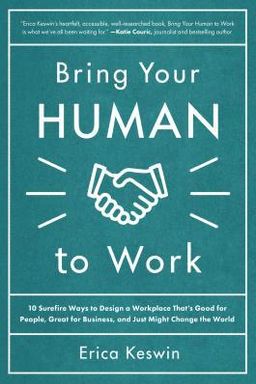
How can you create a workplace that feels less mechanical, less transactional, and more deeply human? In Bring Your Human to Work, Erica Keswin argues that organizations thrive when they honor relationships, foster genuine connection, and design work practices that align with human values. Keswin contends that companies anchored in empathy, authenticity, and purpose outperform those that treat their people like cogs in a machine. In her research and consulting experience, she discovered one essential principle behind every successful workplace: a human workplace honors relationships.
We live in an era defined by technology, speed, and constant communication. Yet those same forces isolate us. Smartphones interrupt conversations, video meetings replace real dialogue, and busyness is celebrated as a badge of productivity. Keswin warns that this culture comes at a cost—disconnection, stress, and burnout. What she proposes is deceptively simple: build organizations that put the human element first. That means crafting cultures of presence, gratitude, and care, where technology supports, not replaces, real connection.
Why Humanity at Work Matters
Keswin’s core message feels timely. Millennials and Gen Z employees expect meaning and authenticity at work, not just a paycheck. They want leaders who align words and actions—a culture where values live in the halls, not just on the wall. As she puts it, meaningful culture is the new competitive advantage. Citing stress data from the American Institute of Stress, she explains how U.S. businesses lose $300 billion annually due to workplace stress—a clear signal that ignoring the human side of work harms both people and profits.
Keswin situates her ideas in a rapidly evolving business landscape. The rise of technology, remote work, and automation presents both opportunity and danger. Technology can amplify human connection—if used wisely—but it can just as easily reduce us to avatars and data. The book asks readers to find balance: use technology to enhance connection, not to replace empathy. She calls this the “sweet spot between tech and connect.”
The Ten Human Principles
Keswin’s framework is organized around ten interlocking principles, each illustrating a way to design a workplace good for people and great for business. She begins with authenticity—“Be Real: Speak in a Human Voice”—and continues through sustainability, balance between technology and connection, meaningful meetings, well-being, giving back, disconnection, thoughtful space design, personalized development, and everyday appreciation. Each theme is rooted in stories from companies that do it right: JetBlue links employee bonuses to cultural engagement; Food52 handwrites thank-you notes to customers; Airbnb designs meeting rooms to evoke belonging; Vynamic bans late-night emails through its “zzzMail” policy. These organizations prove that human-focused practices drive success.
Honoring Relationships: The Central Thread
Every chapter circles back to Keswin’s golden rule: honor relationships. Whether building values, planning meetings, or using technology, the question she advises you to ask is simple: Does this decision strengthen relationships or weaken them? This shift—from “tasks” to “ties”—transforms the organizational mindset. Instead of optimizing screens and spreadsheets, leaders cultivate connection. For instance, JetBlue’s crew members embody company values through everyday acts of kindness, creating cascades of loyalty across teams and customers. Lyft’s drivers model empathy by uplifting riders with small human gestures. At Union Square Hospitality Group, employees learn that hospitality begins inside the organization—how managers treat staff determines how staff treat guests.
Keswin reminds readers that culture is not defined by slogans or perks but by consistent behaviors. A “human” workplace is one that empowers people to bring their whole selves to work—to be authentic, vulnerable, and connected. It’s not about being soft; it’s about performance. When people feel trusted, safe, and seen, they yield creativity, engagement, and innovation. Leadership, therefore, becomes less about authority and more about empathy—what Adam Grant calls “otherish thinking.”
The Path Forward
Keswin’s conclusion is quietly revolutionary: being human at work isn’t just moral—it’s strategic. A human-centered culture retains talent, inspires innovation, and sustains well-being. It bridges generational expectations and uses technology as an ally rather than adversary. For leaders and employees alike, bringing your human to work is both an invitation and a discipline—a call to reconnect, listen, and lead with compassion. As the author puts it, this approach is good for people, great for business, and just might change the world.