
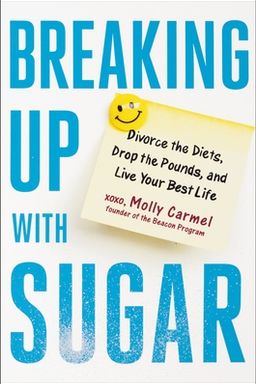
Breaking Up With Sugar cover

Breaking Up With Sugar

by Molly Carmel

Breaking Up With Sugar by Molly Carmel tackles the gripping issue of food addiction with empathy and practicality. Carmel shares her personal journey and offers a structured plan to help readers break free from sugar''s hold and embrace a healthier, more fulfilling life. Discover how to reset your relationship with food and live your best life, sugar-free.

Breaking Free from Sugar: Reclaiming Control and Self-Love

When was the last time you promised yourself you’d stop eating sugar—only to find yourself knee-deep in cookie crumbs by evening? In Breaking Up with Sugar, therapist and recovery expert Molly Carmel invites you to reconsider your entire relationship with food, weight, and self-worth. She argues that the problem isn’t willpower—it’s enslavement to a toxic, addictive relationship with sugar and its close cousin, flour. And like any abusive partner, sugar seduces, betrays, and controls you while making you believe you’re the problem.

Carmel’s central claim is bold: you are not weak or broken; you are caught in chemical, emotional, and cultural traps that make true freedom nearly impossible—until you break up with sugar for good. That breakup, however, isn’t about white-knuckled dieting or temporary detoxes. It’s a sustained, heartfelt transformation that treats sugar addiction the way we treat any substance or behavioral addiction—with compassion, structure, and emotional repair.

The Book’s Core Journey

The book unfolds like a step-by-step recovery roadmap. First, Carmel shares her own story: a lifelong struggle with food addiction, obesity, and endless diets, culminating at more than 325 pounds. Her experience mirrors that of countless men and women she later treated at her Manhattan clinic, The Beacon. She reveals how traditional dieting culture—based on willpower, calorie counting, and shame—only deepens emotional wounds and fuels compulsive behaviors. The real solution, she insists, is not another diet but a total relationship transformation with food, yourself, and your emotions.

To help readers achieve this, Carmel structures her book around the metaphor of romantic breakup and healing: first an intervention that exposes sugar’s abusive nature, then the plan (a 66-day structure to build new habits), followed by the breakup itself—complete with grief, detox, and rebuilding—and finally your happily ever after, a sustainable life of peace, freedom, and self-trust.

Why It Matters Now

Carmel’s premise couldn’t be timelier. In a culture obsessed with body perfection yet surrounded by sugar-laden, ultra-processed foods, millions are battling hidden addiction. Studies she cites show sugar lights up the brain’s reward centers like cocaine or alcohol—triggering dopamine surges, tolerance, and withdrawal. Meanwhile, emotional stress, lack of sleep, and ubiquitous marketing keep us hooked. The result? Cycles of bingeing, dieting, shame, and depression.

Her mission is to cut through the false solutions of the multibillion-dollar diet industry. As she notes, “If knowledge alone worked, the diet books, nutritionists, and certifications would have solved the problem already.” Lasting change, she argues, demands emotional healing, behavioral structure, and compassion-based accountability—not punishment.

A Relationship, Not a Regimen

Carmel reframes recovery as building a new relationship, not mastering a new restriction. Each chapter imitates the rhythms of personal transformation—committing to a sacred vow to stay the course, identifying lies (“stinkin’ thinkin’”) that sabotage progress, enduring withdrawals like breakup grief, and finally rebuilding on honesty, structure, and joy. Her toolset—vows, emotional skills, food plans, and farewell rituals—guide readers through feeling pain, planning meals, and setting realistic boundaries. What begins as dietary change turns into a journey of self-discovery and redemption.

Throughout, we meet real clients—Margie, Jan, Camille, and others—each sharing breakthroughs after years of yo-yo dieting, self-loathing, and binge cycles. Their voices reveal a shared truth: once sugar is gone, calm replaces chaos, body awareness returns, and emotional clarity blossoms. Many describe newfound peace, better sleep, clearer skin, and even spiritual awakening. The message: freedom from sugar is freedom from shame.

What You’ll Learn

This summary explores Carmel’s guiding principles and actionable steps:

  • The Truth About Sugar: how modern foods “on steroids” hijack your brain and body.
  • The 66-Day Vows: seven commitments that rewire routines and rebuild integrity.
  • The Relationship Rebuild Plan (RRP): a structured yet flexible way to eat with ease and liberation.
  • Emotional Skills Training: replacing sugar with healthier coping and connection strategies.
  • Grieving and Healing: honoring the pain of letting go and the joy of rediscovered self-trust.
  • Long-Term Freedom: humility, planning, and self-love as the foundations of “happily ever after.”

At its heart, Breaking Up with Sugar is less a nutrition manual and more a guide to emotional liberation. Molly Carmel’s voice is equal parts therapist, coach, and friend—the tough-love ally who believes in you more than you do. She dismantles shame, offers science, and replaces punishment with hope. By the end, she convinces you that letting go of sugar isn’t about losing pleasure—it’s about reclaiming your soul and your power.


Sugar’s Sweet Deception

Molly Carmel compares our bond with sugar to an abusive relationship: seductive in the beginning, toxic over time. She calls sugar “your sweetest love and greatest betrayer.” Its allure runs deep—not only biological but emotional, historical, and cultural. Understanding those roots is the first step to escape.

The Evolution of an Addiction

Carmel traces sugar’s grip to our earliest survival instincts. In prehistoric times, sweetness signaled safety; a sugary berry meant nourishment, not poison. This instinct hardwired our brains to seek sweet as comfort and reward. Add centuries of cultural reinforcement—cakes for birthdays, chocolate for love, doughnuts at office parties—and sugar became entwined with joy, connection, and ritual. It’s not just food; it’s family, celebration, even identity.

Yet modern industry weaponized this instinct. Today’s food supply, Carmel notes, “is sugar on steroids”—engineered to hit your brain’s bliss point with addictive precision, much like narcotics. Since the 1950s, sugar content has more than doubled, while processed carbs permeate even salads and meats. Our palates are trained to crave sweetness, keeping us biologically and psychologically hooked.

The Body Under Siege

Carmel lists sugar’s slow-motion devastation: inflammation, migraines, anxiety, insomnia, fatty liver, diabetes, and even higher cancer risks. “It’s suicide on the installment plan,” she warns. Unlike drugs or alcohol that destroy quickly, sugar kills by degrees, inch by inch. Yet knowledge alone doesn’t free us. That’s why Carmel redefines addiction not as weakness but as chemical bondage reinforced by environment and trauma.

In scientific terms, sugar floods your system with dopamine—creating a temporary high followed by a crash. The brain’s receptors grow dull, requiring more sugar for the same rush. Meanwhile, insulin spikes block leptin, the hormone that signals fullness, keeping you trapped in endless hunger. You crave but never satisfy. Carmel calls it “sugar’s cruelest joke.”

The Emotional Trap

Sugar also operates as an emotional anesthetic. Stressed, lonely, or ashamed—you eat. Relief hits fast. But as Carmel notes, “While Sugar numbs the pain, it also numbs the joy.” Real pleasure fades; life dulls into gray. Clients like Margie and Jan describe how nightly sugar binges muted their spirits until they felt “haunted.” Breaking the cycle brought color back. Carmel insists this emotional toll is the true cost of the addiction—loss of self-trust and lightness of being.

“You’re not failing the diets; the diets are failing you.”

– Molly Carmel

In the end, Carmel reframes sugar not as a harmless indulgence but as an addictive toxic partner backed by a multibillion-dollar industry. The real healing begins when you recognize sugar for what it is—not comfort, but captivity. Understanding this betrayal fuels the courage to break free.


The Sacred Vow: No More Cutting and Running

Before changing your diet, Carmel insists you must change your commitment mindset. The Sacred Vow is her foundational promise: to stop “cutting and running” every time the journey gets difficult. Like marriage vows, it binds you to stay through messy days and mistakes. The goal isn’t perfection—it’s persistence.

A Relationship, Not a Regimen

Carmel reframes the entire process as a relationship with food, not a regimen of control. Food has been a faithful companion—sometimes abuser, sometimes lover—but always present. When people attempt diets, she says, they approach food as an external enemy. The vow shifts that paradigm. You’re not in a war with food; you’re repairing trust after betrayal. Staying “in the relationship” means showing up even after failure, learning instead of fleeing.

The Chronic Cheater Problem

Many of us treat food commitments like serial relationships—we cheat, lie, sneak, and start over. Carmel calls this “chronic cheating.” It erodes trust and self-respect. Each broken promise (“I’ll start again Monday”) deepens shame. The Sacred Vow interrupts this self-destructive pattern by introducing accountability and integrity. It says, “No matter what happens, I will stay the course.”

She recalls clients like Callie, who binged at night and woke hating herself each morning. Once Callie took the Sacred Vow, she understood that relapse wasn’t the end—it was information. She learned to recommit instead of spiral, to replace self-reproach with curiosity and compassion. That’s the shift from dieting to healing.

How to Take the Vow

  • Write down your commitment aloud or on paper: “I vow to stay the course in my new relationship with food.”
  • Review it during stress moments—it’s your anchor.
  • See lapses as opportunities to strengthen, not abandon, your promise.

Like wedding vows, this promise isn’t romantic fluff—it’s resilience training. Diets collapse because they depend on motivation; vows endure because they’re rooted in purpose. In Carmel’s words, “This vow is the beginning of freedom.”


The 66-Day Vows: Structure That Heals

Behavioral change requires time and repetition. Drawing on research showing habits take about sixty-six days to form, Carmel introduces The Seven Vows—a structured blueprint for rewiring your relationship with food. Each vow replaces chaos with clarity, offering practical behavioral anchors for recovery.

The Seven Vows

  • Keep an open mind
  • Be sugar-free
  • Be grain-flour–free
  • Be mindful of volume
  • Eat every 3–4.5 hours
  • Be a planner
  • Weigh yourself lovingly and accountably

Discipline as Self-Love

Carmel’s practicality shines here. The Vows create “loving limits,” not punishment. Avoiding sugar and flour repairs your neurochemistry; portion awareness heals your skewed hunger cues. A meal every few hours stabilizes blood sugar and breaks binge-restrict cycles. Weighing yourself periodically reduces denial. Planning replaces panic. Self-discipline becomes a tender act of self-respect, like tucking yourself into bed on time.

Progress Through Imperfection

You’re not expected to be flawless; slips are part of the process. Carmel echoes psychologist Marsha Linehan’s “dialectical abstinence”—aim high but recover fast when you fall. As one client, Heather, shared, she’d been bulimic since childhood. Only by treating her vows as lifelong commitments—not 30-day diets—could she finally stabilize, lose shame, and regain peace. The 66-day period becomes not a countdown but a foundation—proof that consistency heals trauma.

Ultimately, the Vows transform rules into rituals of healing. Each one reconnects you with trust—in your body, boundaries, and worth. In Carmel’s world, willpower fails, but structure saves.


The Relationship Rebuild Plan (RRP)

After the vows comes architecture. Carmel’s Relationship Rebuild Plan (RRP) is a 66-day food structure that restores stability, balance, and pleasure. Her motto: “It’s not about the food—and yet, it’s all about the food.” The plan isn’t deprivation; it’s a life-preserver guiding you to safety.

What the Plan Includes

The RRP focuses on whole foods—proteins, vegetables, fruits, healthy fats, and slow carbohydrates—while excluding sugar and flour. Carmel introduces her “Fifth-Ingredient Rule”: if sugar or flour appears within the first four ingredients, skip it. Meals and snacks follow a four-times-a-day rhythm, ending with “the kitchen is closed” ritual at night. (Night eating, she warns, is where shame grows.)

Freedom Through Boundaries

To diet veterans, RRP might look restrictive. Carmel reframes it as protective. Diets imprison you; structure frees you. The plan lets you feel satisfied without overeating, teaching your hormones to recalibrate. She also dismantles myths about fat (“it’s your secret ally, not the villain”) and carbs (“not all are created equal—choose slow carbs”). Portions are measured at first to retrain your eyes, then gradually relaxed as trust rebuilds.

Real-World Adaptability

Carmel anticipates life’s messiness—travel, takeout, budget constraints, exhaustion. Perfection isn’t required; persistence is. Her “something is better than nothing” principle means eating fast food mindfully beats mindless bingeing. For vegans, vegetarians, and omnivores, flexibility reigns—the only nonnegotiable is staying sugar- and flour-free. As client Tracy discovered, once sugar left her system, her anxiety lifted and energy exploded. “It was like sixty days after, I felt joy for the first time,” she said.

Where traditional diets end, RRP begins: it’s a relationship reset grounded in nourishment, not punishment. When you feed your body rhythmically and lovingly, you teach your soul to trust again.


Facing Withdrawal and Grief

Breaking up with sugar isn’t just a nutritional act—it’s an emotional and physical grieving process. In one of the book’s most compassionate chapters, Carmel normalizes the post-breakup storm: sadness, anger, denial, bargaining, and eventual acceptance—mirroring Elizabeth Kübler-Ross’s grief model. “You’re not going crazy,” she reassures. “You’re grieving.”

The Purgatory Phase

After the farewell letter comes what Carmel calls “purgatory”—that dazed middle ground between dependency and freedom. You may rage at the unfairness (“Why can my friend eat pancakes and I can’t?”), idealize the past (“Maybe it wasn’t so bad”), or sink into depression (“Life is joyless without sugar”). She walks readers through each stage with validation and strategy: punch pillows for anger, write poetry for sadness, talk instead of isolate.

Rituals of Release

Carmel prescribes tangible mourning rituals: write a farewell letter to sugar, hold a candlelight vigil, plant a “healing seed,” or throw a sugar-free breakup party. Such symbolic acts restore agency. Research she cites shows rituals reduce grief and increase control—even if you don’t believe in them. The act itself heals.

The Body’s Detox

Then comes physical withdrawal—headaches, irritability, exhaustion, cravings. Carmel likens it to coming off cigarettes or caffeine. The symptoms last days to two weeks as the endocrine and nervous systems recalibrate. Her prescription: hydrate, rest, use “ice-pack therapy” for cravings, and above all, don’t give in. “Relapse just restarts the detox clock,” she notes. Connection—to friends, therapists, or peers—is the number-one antidote.

Through stories like Leah—who raged, cried, then found peace—Carmel illustrates that grief is sacred, not shameful. Loss felt deeply paves the path for freedom.


Skills for Mind, Body, and Spirit

Once sugar’s gone, a void appears. How do you soothe, celebrate, and calm yourself now? Carmel calls this stage “filling the gaping hole.” Her solution: a rich toolbox of emotional Right-Now Skills and Long-Lasting Skills—derived from dialectical behavior therapy (DBT) and positive psychology—to help you manage life without self-destruction.

Right-Now Skills

These are your immediate coping tools—“the emotional Band-Aids.” Instead of binging, you:

  • Distract yourself: take a walk, listen to music, call a friend
  • Soothe your senses: light candles, take a hot shower, cuddle a pet
  • Use emergency tricks: cold water on your face, ice packs on your neck to trigger relaxation
Through repetition, these techniques retrain your nervous system. You learn that feelings pass—and that “cravings are not commands.”

Long-Lasting Skills

Carmel’s “village” model builds enduring resilience through connection, gratitude, meditation, joyful movement, creativity, and service. Studies show connection lowers relapse rates and shame (Brené Brown’s research). Gratitude journaling and prayer rewire the brain toward positivity. Meditation restores awareness and reduces cravings. Joyful movement—Zumba, walking, dancing—heals your body without punishment. Creativity—writing, painting—reawakens purpose where food once lived.

These practices fill emotional emptiness with meaning. As one client, Josh, discovered, “Once I learned to meditate and breathe through cravings, I felt free in a way sugar never gave me.” Skills, not snacks, become your survival kit.


Living in the Gray: The Anti-Perfection Plan

Perfectionism fuels relapse. Carmel calls it the most seductive diet lie of all. Her Anti-Perfection Plan offers an antidote: live in the gray. No more all-or-nothing, on-or-off mentalities. Instead, pursue progress with compassion.

The Abstinence Violation Effect

When dieters “slip”—have a cookie or miss a meal—they often burn the whole plan as if it’s ruined forever. Carmel compares it to getting a flat tire and slashing the other three. The solution? Don’t torch the car; fix the tire and keep driving. A bite doesn’t undo recovery—what matters is what happens next minute, not tomorrow.

Go for the Gold, Not the Bronze

Each morning, “go for the gold”—intend to follow your plan fully. Slips will happen, but aim high. When they do, respond within minutes, not days. Carmel teaches “4:00 and 4:01 thinking”: at 4:00 you fall off; by 4:01 you’re back on. Momentum beats punishment. She also rejects “cheat days,” calling them disguised binges that reset addiction.

Do No Harm

Borrowing from psychology and medicine, Carmel’s ultimate goal isn’t perfection but non-harm. If you slip, downgrade the damage—choose vegetables over ice cream, limit quantity instead of abandoning effort. “Something is always better than nothing,” she says. As clients like Jane and Simone demonstrate, using this mindset turns falls into lessons, not spirals. Each recovery builds confidence, dissolving shame.

Life in the gray is where freedom lives—balanced, forgiving, sustainable. It’s the opposite of diet trauma: emotional maturity over control.


Divorcing Dieting and Finding Humble Freedom

By the book’s end, Carmel tackles the last toxic relationship: dieting itself. Diet culture, she says, is just another abusive lover—exciting, manipulative, and ultimately devastating. To find freedom, you must divorce dieting forever and embrace what she calls “humble eating.”

The Dark Side of Dieting

Diets promise quick results and deliver long-term harm. They foster obsession, binge–restrict cycles, metabolic damage, and shame. Carmel likens them to “bad boy relationships”—thrilling but destructive. Each fleeting weight-loss success (“I lost twenty pounds once!”) acts like intermittent reinforcement—a psychological trap that keeps you hooked, like a slot machine payout.

Humble Eating: Owning, Not Renting

In humble eating, you’re no longer blindly compliant (“renting”) to others’ diets; you “own” your choices with humility. This means knowing your triggers, staying mindful, and adapting structure to your real life. Flexibility is key, but awareness is nonnegotiable. As Carmel writes, “You can’t live on autopilot; awareness is the rent you pay for freedom.”

She warns that “giving yourself rope” without humility leads to relapse. Humble eaters maintain structure while owning their humanity. Some stick to RRP rigidly; others test small freedoms (a new ingredient, occasional flour alternative). If peace persists, great; if chaos returns, go back to basics. Freedom doesn’t mean “anything goes”—it means conscious choice.

Peace, Not Perfection

Carmel closes with emotional grace. Humble eating values presence over metrics—joy, contentment, connection. “Forever is a long time,” she writes, “but humbly one day at a time, it’s possible.” For clients like Therese-Ann, releasing sugar, flour, and diet obsession brought more than weight loss—it restored spiritual integrity and joy in everyday food. That, Carmel promises, is the real happily ever after.

To divorce dieting is to stop chasing love in all the wrong places. To practice humble eating is to finally come home to yourself.

Dig Deeper

Get personalized prompts to apply these lessons to your life and deepen your understanding.

Go Deeper

Get the Full Experience

Download Insight Books for AI-powered reflections, quizzes, and more.