
Idea 1
Living Bravely: Building Courage for a Meaningful Life
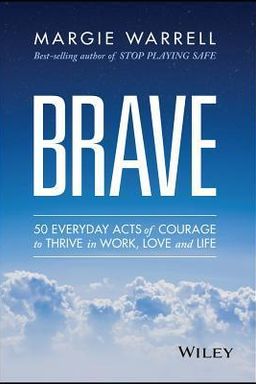
When was the last time fear stopped you from doing something that mattered? Perhaps you held back from speaking up, making a change, or chasing a dream because of self-doubt. In Brave: 50 Everyday Acts of Courage to Thrive in Work, Love and Life, author Margie Warrell invites you to reframe fear not as an obstacle but as an initiation into growth. She argues that living fully is synonymous with living bravely—acting with courage even when uncertainty, vulnerability, or discomfort looms large.
Warrell contends that most people mistakenly believe bravery is reserved for heroes—those who face tanks or fight wars—but in reality, courage is demonstrated in everyday moments: speaking honestly, taking a career risk, or asking for help. Her book dissects the many forms of personal courage and offers practical guidance to build what she calls our “courage muscle.” Courage, she explains, is not innate; it’s a habit that grows stronger when exercised daily.
The Value of Bravery in an Age of Fear
We live in what Warrell calls a “culture of fear”—one that sells security and conformity in exchange for authenticity and growth. Influenced by media and social pressures, we often choose safety over significance. As she observes, too many of us spend more time planning vacations than envisioning the lives we truly want to live. Her message is clear: playing safe doesn’t make us more secure—it makes us smaller. Fear thrives when left unexamined, and the antidote is intentional action aligned with purpose and values.
Bravery Is Practical, Not Heroic
The book is structured as 50 short chapters divided into five parts: Live Purposefully, Speak Bravely, Work Passionately, Dig Deep, and Dare Boldly. Each section tackles a different facet of courage—from building self-trust to breaking rules—and ends with a “Train the Brave” challenge to move readers from thinking to doing. Warrell draws from global adventures (including living in Papua New Guinea and confronting armed robbery), personal heartbreaks, leadership coaching, and lessons learned from figures like Malala Yousafzai and Nelson Mandela. Her tone is conversational yet rigorous, blending narrative, psychology, and actionable reflection.
Fear, Intuition, and Choice
Central to Warrell’s message is that courage doesn’t mean fearlessness—it means taking action despite fear. By facing fear head-on, we diminish its power and amplify our own. She parallels the findings of researchers like Brené Brown (Daring Greatly) who argue that vulnerability is not weakness but the birthplace of authenticity and connection. She writes that fear operates through imagination—most of the troubles we anticipate never happen—and encourages readers to make peace with fear by naming it, feeling it, and acting anyway. In her words: “What you think you fear isn’t what holds power over you; it’s your fear of how you’ll feel if the worst happens.”
Why This Book Matters
Warrell’s framework of training the brave matters because courage shapes every other virtue: confidence, integrity, resilience, and purpose. Without bravery, fear dictates your choices and shrinks your world to fit your comfort zone. Whether you’re deciding to change careers, speak up in a difficult meeting, end an unhealthy relationship, or forgive someone who hurt you, the same principle applies—action precedes confidence. Courage is the first step toward a life by design rather than by default.
Throughout the book, Warrell challenges you to ask powerful questions: What do you stand for? What fears are holding you hostage? What values define your highest intention? Each answer reconnects you to agency, reminding you that bravery doesn’t guarantee success, but it always precedes it. As Edmund Hillary’s preparation for Everest taught her, you build courage by scaling smaller peaks first. Step by step, you create new neural pathways of boldness until bravery becomes second nature.
A Call to Live and Lead with Heart
Ultimately, Warrell’s book is both a manifesto and a manual for courageous living. It redefines bravery as a lifestyle: speaking truthfully, loving openly, failing forward, forgiving freely, and acting intentionally. You won’t find lofty philosophy or a ten-step academic model here; instead, you’ll find relatable stories, practical tools, and heartfelt encouragement to “train your brave.” And by doing so, Warrell insists, you not only transform your own life—you give others permission to do the same. Courage is contagious; when one person lives boldly, others follow.
Key takeaway: Living bravely isn’t about being extraordinary—it’s about making ordinary decisions with extraordinary intention. As Warrell writes, growth and comfort never ride the same horse. To live fully, you must risk discomfort. And to live bravely, you must act with courage—not someday, but today.