
Idea 1
The Transformative Power of the Adolescent Mind
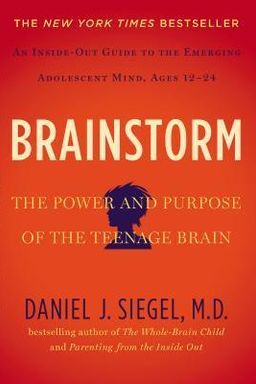
Have you ever wondered why adolescence feels both exhilarating and chaotic? In Brainstorm, Daniel J. Siegel challenges long-held myths about teenage behavior and reframes adolescence not as an awkward phase we must survive but as a vital opportunity to thrive. Siegel contends that the adolescent brain and mind are undergoing essential transformations that lay the foundation for creativity, emotional depth, and human connection. To flourish through—and beyond—this period, we must understand how the brain, mind, and relationships weave together to form what he calls Mindsight: the awareness of our internal world and the inner worlds of others.
Siegel’s core argument is revolutionary: adolescence is not a problem but a gift. It’s the moment when the brain’s integrative capacities—melding emotion, reasoning, and relationships—begin to strengthen. He reveals that the same neural changes that make teens impulsive and emotionally intense are also what make them open to innovation, compassion, and growth. Rather than suppressing this natural intensity, we can learn to harness it to develop a flexible, resilient, and deeply connected mind.
Breaking Myths About Adolescence
Siegel begins by dismantling cultural clichés about teenagers: they aren’t irrational hormone machines or incomplete adults. Instead, their behavior reflects the biological redesign of the brain. During adolescence—between roughly ages twelve and twenty-four—the brain prunes unused neural connections and strengthens those that are actively used, improving efficiency and integration. This process explains why adolescents are passionate explorers: they are literally rewiring themselves for greater adaptability and self-understanding.
To Siegel, this restructuring is the reason adolescents crave novelty, feel emotions intensely, and seek social belonging. These changes are neither flaws nor dangers—they’re features essential for individual and collective evolution. Adults often misinterpret this natural reorientation toward peers and new experiences as rebellion, but Siegel reframes it as the search for autonomy and meaningful connection. This insight transforms conflict into collaboration across generations.
The Essence of Adolescence
Siegel captures the heart of adolescence in an acronym: ESSENCE. It stands for Emotional Spark, Social Engagement, Novelty Seeking, and Creative Exploration. These four qualities aren’t fleeting teenage traits—they’re lifelong capacities for vitality and meaning. Emotional Spark ignites passion and purpose; Social Engagement builds empathy and belonging; Novelty Seeking fuels discovery and adaptability; and Creative Exploration fosters innovation and wisdom. When adults sustain these qualities into maturity, they remain vibrant and youthful in spirit.
Unfortunately, many lose their ESSENCE as they age, trading adventure for routine and replacing curiosity with cynicism. Siegel invites readers, whether teenagers or adults, to rekindle this youthful energy by tuning into the brain’s integrative power through conscious practices such as mindfulness and reflective dialogue. These skills, he insists, allow us to transform the chaos and rigidity that often accompany adulthood into harmony and resilience.
Why Mindsight Matters
The concept of Mindsight is Siegel’s master key. It fuses neuroscience, psychology, and interpersonal wisdom around one principle: awareness changes the brain. When we pay attention to our inner experiences—sensations, images, feelings, and thoughts—we activate neural circuits that enhance emotional regulation and empathy. Mindsight is the capacity to see ourselves and others from the inside. It requires Insight (self-understanding), Empathy (understanding others), and Integration (linking diverse parts into a harmonious whole). These three capacities are the pillars of psychological and social intelligence.
Through engaging stories—like the elderly patient learning empathy at ninety or the teen navigating risk and emotion—Siegel illustrates how Mindsight can transform lives at any age. Using a hand model of the brain, he shows that our emotional regulation and moral reasoning depend on a balanced conversation between deeper emotional centers and the higher rational cortex. Adolescence, he argues, is when this integration is built, wiring the brain for lifelong compassion and creativity.
The Bigger Picture: Integration and Identity
Ultimately, Siegel calls adolescence the gateway to integration—both neural and social. The book’s final vision extends beyond individual development toward a more interconnected world. He introduces MWe, the synthesis of “Me” and “We,” describing an integrated identity that embraces both the personal self and the collective whole. When we expand our sense of self to include relationships, community, and planet, we embody the maturity that adolescence makes possible.
Key Idea
Instead of fearing adolescence, Siegel invites us to celebrate it—as the season when our brains and hearts learn the art of integration. Through Mindsight and ESSENCE, we can transform emotional turbulence into curiosity, solitude into connection, and youthful rebellion into lifelong creativity.
For parents, mentors, and teens alike, Siegel’s message is empowering: the adolescent brain isn’t broken; it’s blooming. It offers all of us—whatever our age—the opportunity to reclaim energy, empathy, and imagination as the basis of a richer, more connected life.