
Idea 1
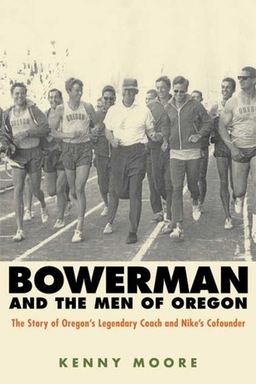
Bill Bowerman and the Relentless Pursuit of Human Potential
What does it mean to unlock someone’s full potential—whether in sports, work, or life? Can a single person’s philosophy of discipline and experimentation ripple out to shape global culture? The story of Bill Bowerman, legendary track coach and co-founder of Nike, dares you to rethink how personal drive and relentless innovation can transform not just one life but millions. Through his journey from rebellious youth to revered mentor, Bowerman showed that excellence is not born—it’s built, refined, and shared with purpose.
At its core, this narrative is about Bowerman’s obsession with improvement—of himself, his athletes, and even the shoes they wore. The book contends that greatness stems from paying fierce attention to detail, whether it’s a mule’s disobedience or a runner’s stride. Bowerman’s life offers a blueprint for mastering attention, discipline, and creativity—three forces that power achievement across every domain.
From Chaos to Control
Bowerman’s early years were marked by rebellion and emotional tumult, shaped by his parents’ divorce and the traumatic loss of his twin brother. That chaos, however, planted the seeds of his lifetime philosophy: discipline as redemption. His encounter with Ercel Hedrick, the literal mule skinner who set him straight, became his origin story. The mule-skinner parable—getting someone’s attention before guiding them—became his personal and professional credo. Whether commanding soldiers or athletes, Bowerman always began by jolting them into focus. It’s a lesson about human psychology as much as about coaching: change starts only after awareness is forged.
Learning Through Collision
Bowerman’s journey into sports coaching reflected a constant tension between intellect and intensity. Rejected at first by Medford High’s football coach for being too small, he earned his spot through sheer grit. That defiance became a lifelong pattern—when doors closed, Bowerman either broke them down or built new ones. Under the mentorship of coach Bill Hayward, Bowerman blended scientific curiosity with competitive fire. His growth mirrors what psychologist Angela Duckworth calls grit: sustained passion and perseverance for long-term goals. Bowerman wasn’t chasing trophies; he was orchestrating transformation.
War and the Making of a Leader
The crucible of World War II tested and matured Bowerman’s leadership. Reimagining mule logistics in the Italian Alps, rescuing comrades like Ralph Lafferty, and negotiating the surrender of 4,000 Germans—all reveal how command under pressure sharpened his resourcefulness. These experiences reinforced his conviction that ordinary tasks could become extraordinary through ingenuity and courage. That combination—improvisation and resilience—later shaped his coaching ethos. Every athlete under Bowerman learned that overcoming adversity begins with calm focus and, sometimes, unconventional solutions.
Creating a Culture of Mastery
At the University of Oregon, Bowerman transformed a modest program into a track empire. He democratized opportunities by securing scholarships and jobs for athletes and pushed learning beyond physical exertion into mental discipline. He built champions through experimentation with training intervals, rest, and nutrition—ideas that echo modern sports science. His insistence that each runner find an individualized balance of stress and recovery marked a turning point in personalized coaching. Bowerman understood what historian and sports theorist David Epstein later articulated in Range: variety and adaptation trump routine and rigidity in mastery.
From Waffle Irons to Global Icons
Bowerman’s restless tinkering led him to the most unexpected innovation—the Nike Waffle sole. His obsessive focus on how shoes affected performance reveals a pattern of curiosity that defines pioneers: rather than accepting a limitation, Bowerman engineered around it. Teaming up with his former runner Phil Knight, Bowerman helped turn a small venture—Blue Ribbon Sports—into Nike, named after the Greek goddess of victory. For Bowerman, entrepreneurship was just another form of coaching, guiding performance through design. His legacy reminds you that invention flourishes when you see everyday tools as opportunities for progress.
The Democratization of Movement
Generations before modern wellness trends, Bowerman championed jogging as a universal form of health. Inspired by New Zealand’s Arthur Lydiard, he bridged the gap between elite sport and public fitness. When thousands flocked to jog at Hayward Field, Bowerman realized athletic improvement could—and should—belong to everyone. His book Jogging made exercise approachable, inclusive, and safe, prefiguring what authors like Kenneth Cooper and James Fixx later popularized about aerobic health. By reframing running as self-care rather than competition, Bowerman broke a cultural barrier between athlete and citizen.
Why It Matters
Bowerman’s life unites threads of resilience, creativity, and service. His story matters today because it illustrates how rigorous attention—what he called “getting the mule’s attention”—creates breakthroughs in any field. Whether you're trying to lead a team, launch a startup, or improve yourself, Bowerman’s model shows that toughness must be married to empathy, experimentation to structure, and discipline to imagination. He didn’t just create Olympians or sneakers; he cultivated an enduring ideal: relentless human improvement, grounded in purpose and curiosity.