
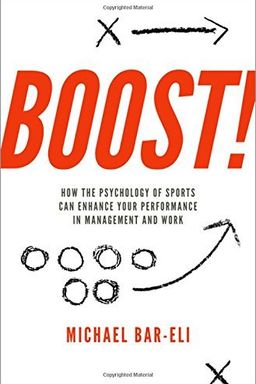
Boost! cover

Boost!

by Michael Bar-Eli

Boost! reveals how sports psychology can enhance work performance by applying proven techniques from elite athletes. Readers will learn to set effective goals, build self-confidence, foster innovation, and cultivate cohesive teams, all leading to superior outcomes.

Mastering the Macro Diet: A Flexible Road to Lasting Health

What if you could lose weight, gain energy, and even build muscle—all without giving up the foods you love? In Nežinoma Macro Diet Cookbook, Michael Smith challenges the traditional notion that healthy eating requires deprivation. Instead, he introduces a flexible, science-based approach known as the Macro Diet—or, as it’s often called in fitness circles, “If It Fits Your Macros (IIFYM).” This plan rewires how you think about food by focusing on macronutrients—the carbohydrates, proteins, and fats that fuel your body—and by giving you tools to adapt your diet to your personal goals.

Smith’s central claim is simple: a sustainable diet is one that works with your unique lifestyle rather than against it. Forget crash diets and meal replacement shakes—the macro approach is built on balance, flexibility, and awareness. Instead of eliminating food groups or restricting portion sizes, you track your intake of macros to ensure your body receives the ideal ratio of nutrients. The result is a psychologically liberating and physiologically sound way to eat that you can maintain for life.

Why Macros Matter More Than Calories

Calories tell part of the story, but not the whole one. Smith explains that every calorie you consume comes from one of three macronutrients: carbs, proteins, or fats. Each plays a vital role. Carbs fuel your workouts and brain, proteins repair and build lean tissue, and fats regulate hormones and protect organs. When these macronutrients are balanced in proper proportions—as defined by the Acceptable Macronutrient Distribution Range (AMDR)—you not only control weight but also improve energy, sleep, and mood.

The macro diet assumes no one ratio fits all. Your unique goals—whether fat loss, maintenance, or muscle building—determine the specific blend of macros. For example, Smith shows how reducing total calories by 500 per day from your maintenance level can lead to roughly one pound of fat loss per week, while a 10% calorie surplus can support healthy muscle gain. These calculations are grounded in scientific research and made approachable through step-by-step examples in the book.

From Frustration to Freedom

Many readers will resonate with Smith’s story. Like countless busy adults juggling family and work, he once felt stuck—overwhelmed by conflicting diet advice and the creeping feeling that midlife health decline was inevitable. His transformation began not through extreme measures but through learning to align his eating with his body’s metabolic needs. That discovery inspired the creation of this book as both a scientific guide and a practical resource filled with 100 macro-friendly recipes and flexible meal plans for 1,500, 2,000, and 2,500 calorie goals.

A New Relationship with Food

Unlike restrictive diets that demonize carbs or fats, the macro diet promotes awareness, accountability, and empowerment. By tracking macros, you learn to see food not as good or bad but as fuel. That mindset shift fosters a sustainable lifestyle rather than short-term compliance. Smith repeatedly reminds readers: if a favorite treat fits within your macro targets, it can stay on your plate. This flexibility dissolves the guilt that sabotages most diets and makes healthy living feel achievable.

What You’ll Learn

This summary explores twelve key themes from Smith’s program—from understanding macronutrients and calculating daily goals to meal planning, tracking tools, and lifestyle habits that reinforce progress. You’ll see how carbohydrates affect blood sugar, why protein is the true hunger regulator, and how healthy fats support brain and heart function. You’ll also learn practical methods for combining foods, optimizing energy levels, and ensuring variety through the macro-friendly recipes provided.

Ultimately, Nežinoma Macro Diet Cookbook isn’t just a recipe collection—it’s a step-by-step system to build a lifelong habit of nutritional awareness. It invites you to take charge, experiment, and personalize. Whether you’re a fitness beginner or a seasoned athlete, Smith’s core message echoes throughout: health isn’t about deprivation; it’s about precision, balance, and consistency.


The Science of Macros

At the heart of the macro diet lies a simple but transformative concept: your body thrives on three macronutrients—carbohydrates, proteins, and fats. Each one contributes uniquely to how you feel, move, and build or burn energy. Understanding how they interact is the foundation of mastering your nutrition.

Carbohydrates: Your Primary Fuel

Carbohydrates provide glucose, your body’s preferred source of energy. Smith warns against overconsumption of simple carbs—like sugary drinks and pastries—which spike insulin and encourage fat storage. Instead, he encourages complex carbohydrates found in whole grains, fruits, and vegetables, which release glucose steadily and stabilize mood and energy. This echoes research from the Dietary Guidelines for Americans that recommend 45–65% of your calories come from carbohydrates. Your brain alone consumes roughly 120 grams of glucose daily, making carbs indispensable for cognitive and physical performance.

Proteins: The Body’s Builder

Protein fuels growth, repair, and the preservation of lean muscle mass. It’s also the most satiating nutrient—you’ll feel fuller longer after a protein-rich meal. Smith clarifies a common myth: eating massive amounts of protein won’t make you muscular unless combined with resistance training and a moderate surplus of calories. His practical guideline—0.5–0.8 grams per pound of body weight per day—aligns with the American College of Sports Medicine's recommendations. For a 200-pound adult, that’s 100–160 grams daily, easily achievable through chicken, fish, legumes, and dairy.

Fats: The Misunderstood Macro

Contrary to old diet dogma, healthy fats are essential. They regulate hormones, insulate organs, and aid vitamin absorption. Smith distinguishes between unsaturated fats (like avocados, nuts, olive oil, and fatty fish), which promote heart health, and trans fats (found in hydrogenated oils), which drive inflammation and disease. About 20–35% of your daily calories should come from fats—approximately 0.2–0.5 grams per pound of body weight. Learning this balance frees you from the fear of fat while helping you reach your weight and wellness goals.

“Health is a relationship between you and your body.” —Terri Guillemets

The macro diet teaches you that health isn’t about cutting food out—it’s about feeding yourself intentionally. As you start viewing food as an ally rather than an adversary, your nutrition transforms from a restriction to a rhythm of balance and sustenance.


Customizing Your Macro Blueprint

One of the macro diet’s superpowers is personalization. Instead of forcing every body into the same rigid plan, it teaches you how to calculate your maintenance calories and then adjust them for your goals. Whether you aim to lose fat, maintain weight, or build muscle, Smith provides simple formulas anyone can apply without a PhD in nutrition.

Step 1: Know Your Maintenance Level

Your maintenance calories are the energy you need to sustain your current weight. Smith simplifies the science: multiply your body weight by 14–16 based on activity level—use the low end if sedentary, higher if active. For example, a 200-pound moderately active person needs roughly 3,000 calories a day to maintain weight.

Step 2: Adjust for Your Goal

To lose fat, subtract about 500 calories daily (creating a weekly deficit of 3,500—the energy in one pound of fat). To build muscle, add around 10% of your maintenance calories, creating a modest surplus without excessive fat gain. Smith emphasizes gradual, sustainable shifts rather than crash diets or “dirty bulks.”

Step 3: Divide by Macronutrients

Once your daily calorie target is clear, translate it into macros. Fat has 9 calories per gram; protein and carbs have 4. Using this math, you allocate roughly 25% of calories to protein, 25% to fat, and 50% to carbohydrates—matching national dietary recommendations. For example, our 2,500-calorie-loser Adam would consume about 160g protein, 70g fat, and 308g carbs.

Step 4: Track and Adjust

Tracking helps you stay accountable. Smith suggests digital tools like MyFitnessPal or Carb Manager to log meals and visualize macros. After 2–3 weeks, review results and fine-tune ratios—more carbs if low on energy, more protein if lacking satiety. The macro diet isn’t static; it evolves with your lifestyle and progress.

This process not only demystifies nutrition math but gives you full control over how your body transforms, turning abstract numbers into real-world results.


Building Sustainable Habits

Many diets fail not because they lack science but because they’re unsustainable in daily life. The macro diet succeeds where others fall short because it prioritizes flexibility and mindfulness. Smith stresses that consistency, not perfection, drives transformation.

The Power of Accountability

Tracking builds awareness. As the adage goes, “If you don’t track it, you can’t improve it.” Writing down what you eat instantly elevates mindfulness. You start noticing patterns—where calories spike, when cravings hit, and how foods affect energy. Research supports this: people who log meals consistently lose more weight and maintain results longer (John Spencer Ingels et al., 2017).

The 80/20 Balance Rule

Rigid rules breed rebellion. To prevent burnout, Smith introduces the 80/20 rule: 80% of daily calories should come from whole, nutrient-dense foods; the remaining 20% can include treats like pizza or ice cream. This psychological safety net keeps the plan enjoyable and sustainable—turning macro tracking from a “diet” into a lifestyle.

Mindful Flexibility

Macros aren’t just about numbers—they teach intuition. Over time, you’ll recognize portion sizes and nutrient densities instinctively. You move from reliance on apps to awareness, developing what Smith calls a “macro mindset.” This mindset aligns with approaches in mindful eating literature, emphasizing observation over restriction.

In simple terms, the macro diet helps you build habits that last: tracking what you eat, honoring hunger cues, balancing indulgence with nourishment, and staying consistent—even during social events or travel.


Meal Planning Made Simple

Meal planning might sound tedious, but Smith turns it into an empowering ritual. Planning ahead helps you save time, reduce food waste, and eliminate the stress of last-minute decisions. In Chapter 5, he breaks down practical strategies for success and offers complete sample meal plans calibrated for 1,500-, 2,000-, and 2,500-calorie goals.

Batch Cooking and Freezing

The book encourages batch cooking proteins like chicken or grains like quinoa on weekends. These staples make weekday meals effortless. Smith suggests leveraging your freezer as an ally: soups, stews, and sauces store beautifully, saving prep time. Investing 2–3 hours each weekend can transform how you eat for the next seven days.

Smart Grocery Shopping

Stocking a “macro-friendly pantry” minimizes temptation. Keep a rotation of lean proteins, whole carbs, healthy fats, and spices. Remove ultra-processed snacks—a practice Smith captures in his rule of thumb: “out of sight, out of mouth.” The more accessible healthy foods are, the more likely you’ll stay on track.

Sample Meal Plans and Recipes

The book’s sample plans show balance in action: macro-calibrated breakfasts like Banana Almond Butter Oatmeal, lean protein lunches like Greek Turkey Burgers, nutrient-packed sides, and even desserts like Chocolate Chia Pudding. These demonstrate Smith’s core philosophy—healthy eating should taste amazing. By rotating meals and adjusting portions, you can maintain your targets without monotony.

Meal planning, Smith insists, isn’t about discipline; it’s about design. With structure in place, you free mental energy for what truly matters—living your life.


Overcoming Common Challenges

Even the best plan can falter without awareness of pitfalls. Smith empathetically anticipates the obstacles readers face when transitioning to a macro-based lifestyle and offers solutions.

Dealing with Time Constraints

In today’s busy world, the biggest hurdle isn’t knowing what to eat—it’s finding time to cook. Smith’s answer lies in planning and simplicity: cook in batches, reuse overlapping ingredients, and rely on freezer-friendly dishes. Meal kits or premade sauces can also complement your macros without compromising quality.

Navigating Eating Out

Social life needn’t derail your diet. Smith’s advice is practical—save 20% of your daily calories for dinner out, order protein-centric meals like grilled fish or salads, and use restaurant nutrition data when available. This flexible thinking eliminates the all-or-nothing mindset that ruins progress.

Alcohol and Empty Calories

Alcohol sneaks in hundreds of nutrient-free calories, blunts fat-burning, and lowers inhibition. Smith doesn’t demand total abstinence—but urges mindfulness. Understanding that a 12-ounce beer can equal 150 calories reframes moderation as self-care, not sacrifice.

In each challenge, the macro diet emphasizes flexibility and foresight—turning potential pitfalls into opportunities for self-awareness and stronger habits.


Integrating Exercise and Lifestyle Factors

Nutrition is only one piece of the health puzzle. Smith interweaves the importance of exercise, sleep, hydration, and stress management—the four pillars that support any fitness goal. Without addressing lifestyle, even perfectly calculated macros fall short.

Move Your Body

You don’t need marathons or hour-long gym sessions. Smith advises 20–30 minutes of movement daily, combining strength and aerobic activities. Strength training, in particular, synergizes with a macro-balanced diet by helping preserve lean muscle during calorie deficits.

Rest and Recovery

Consistent sleep—7+ hours nightly—enhances metabolic function and hormone regulation. Skimping on rest raises cortisol, increasing cravings and fat storage. Similarly, hydration keeps digestion efficient and energy steady; aim for eight glasses of water daily, more if active.

Mindset and Stress

Chronic stress undermines adherence. Incorporating mindfulness, meditation, or journaling translates physical discipline into emotional stability. The macro diet’s flexibility naturally buffers stress, giving you space to live rather than obsess over food.

By balancing nutrition with these complementary habits, you create a holistic wellness system that supports both short-term transformation and lifelong vitality.


Living Macro for Life

The book concludes with an empowering reminder: the macro diet is not a program you finish—it’s a practice you refine. As you grow more intuitive, tracking becomes effortless and even optional. The ultimate outcome is autonomy—knowing how to nourish yourself anywhere, under any circumstance.

Beyond Weight Loss

Although weight management often motivates people to start, Smith shows that the deeper reward is body literacy. You learn how food affects focus, mood, performance, and sleep. Understanding this interplay fosters confidence and long-term adherence.

A Balanced Relationship

Perhaps the greatest legacy of following macros is emotional freedom. You stop labeling yourself as “good” or “bad” based on eating choices. Instead, food becomes an instrument of empowerment—capable of supporting both discipline and joy.

“It is health that is the real wealth and not pieces of gold and silver.” —Mahatma Gandhi

Ultimately, Nežinoma Macro Diet Cookbook is about reclaiming that wealth—using knowledge, awareness, and flexibility to build a body and lifestyle you can sustain indefinitely. It’s not just a diet; it’s a roadmap to nutritional self-mastery.

Dig Deeper

Get personalized prompts to apply these lessons to your life and deepen your understanding.

Go Deeper

Get the Full Experience

Download Insight Books for AI-powered reflections, quizzes, and more.