
Idea 1
A Deep Rivalry: The Blood Feud Between the Clintons and the Obamas
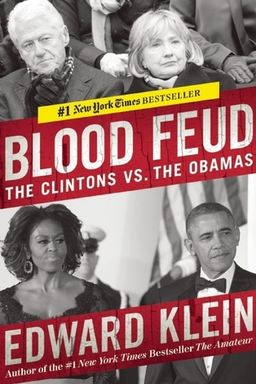
Have you ever watched two people who need each other but can barely stand each other? In Blood Feud, Edward Klein argues that behind the polished smiles and staged handshakes of American politics lies a bitter, personal war between two of its most powerful families: the Clintons and the Obamas. This isn’t a simple partisan dispute; it’s a clash of ambition, ego, and ideology that shaped an entire era of Democratic politics.
Klein contends that what looks like party unity is, in fact, a tense and sometimes deceitful cold war fought behind closed doors. On one side, Bill and Hillary Clinton—political survivors who see power as a product of deal-making and personal loyalty. On the other, Barack and Michelle Obama—idealists turned insiders, determined to keep control of their political legacy. Their alliances and betrayals, Klein argues, reveal how deeply personal dynamics can decide the fate of nations.
The Origins of Distrust
According to Klein, the hostility began during the Democratic primary of 2008. The Clintons believed the presidency was rightfully Hillary’s; Obama’s rise disrupted their carefully plotted path. The Obama camp, led by strategist David Plouffe and confidante Valerie Jarrett, saw Bill Clinton’s dominance as both an asset and a threat. The Clintons, meanwhile, saw Obama as an arrogant upstart who mocked their legacy while using it to gain credibility. Personal resentment merged with political rivalry—an emotional equation that would influence nearly every major decision both families made in the following decade.
Two Worlds Collide
Klein paints vivid portraits of both camps. The Obamas, he says, combined Chicago-style politics with moral superiority. Michelle Obama and Valerie Jarrett formed an inseparable duo, acting as both protectors and enforcers, deeply suspicious of anyone outside their inner circle. Bill and Hillary, by contrast, operated through charm, loyalty, and favors. Bill wielded his charisma like a weapon; Hillary preferred control and calculation. Their world revolved around alliances—unions, donors, and foundations—all tools to restore the Clinton dynasty.
The result was open warfare disguised as political cooperation. When Obama appointed Hillary Secretary of State, it seemed like reconciliation—but Klein reveals it was a forced marriage of convenience. The Obamas kept Hillary at arm’s length and surrounded her with gatekeepers. Hillary, for her part, saw her post as a stepping stone back to the presidency—and waited for her chance to reclaim power.
Why This Feud Matters
The feud wasn’t only about personalities; it shaped American politics. Every public alliance—Bill’s convention speech for Obama in 2012, Hillary’s support for his foreign policies, Obama’s cautious praise of Hillary’s eventual campaign—hid deeper mistrust beneath. Klein suggests this rivalry defined how Democrats approached power after 2008: torn between the Clintons’ transactional pragmatism and Obama’s ideological purity. The struggle influenced everything from the Benghazi hearings to Obamacare’s defense, setting the tone for future Democratic divides between establishment insiders and progressive reformers.
A Tale of Competing Legacies
Bill Clinton wanted a third Clinton presidency—a return to the White House that would secure his historical redemption. Obama wanted to remain the defining face of modern liberalism and ensure his policies survived beyond his term. Their goals could never coexist peacefully. Klein frames it as a Shakespearean drama—full of backroom deals, public flattery, and private fury. When Obama’s team sidelined Bill’s influence after the 2012 election, it ignited the next phase of the feud: the Clintons’ campaign to retake the Democratic party and the presidency for themselves.
Behind the Curtain of Power
As you follow Klein’s account, you’ll see not just two families fighting—but two visions of leadership. Bill Clinton’s Little Rock operation became a palace of political intrigue, filled with donors, strategists, and loyalists plotting Hillary’s return. Obama’s White House, meanwhile, became defined by Valerie Jarrett’s gatekeeping and Michelle’s watchful control. What emerges is a sober reminder that political “teams” are often coalitions of rivals, united not by love but necessity. Blood Feud invites you to look past the speeches and campaign slogans and see how the personal, the emotional, and the strategic intertwine—and how their fallout continues to shape American politics today.