
Idea 1
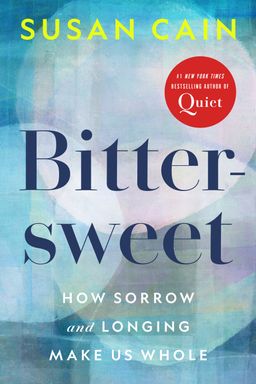
Bittersweet: The Hidden Power of Sorrow and Longing
Why do certain songs bring you to tears even as they make you feel alive? In Bittersweet: How Sorrow and Longing Make Us Whole, Susan Cain argues that the emotions we are taught to suppress—sadness, tenderness, yearning—are not weaknesses but profound sources of connection, creativity, and meaning. The book extends the themes of her earlier work, Quiet, yet shifts focus: if introversion is about depth in personality, bittersweetness is about depth in feeling.
Cain defines bittersweetness as a temperament that combines sorrow and joy, an openness to beauty’s fragility, and an awareness of impermanence. It’s not occasional melancholy but a life orientation—a lens through which you can understand love, art, and even spirituality. The central claim is that our longing for the perfect and beautiful world, though painful, is the wellspring of human creativity, compassion, and transcendence.
The neglected language of longing
Cain situates bittersweetness within a cross-cultural lineage: the Greek pothos, the German Sehnsucht, and Sufi and mystical traditions that view longing as a compass pointing toward the divine. She notes how modern psychology, particularly under Freud, collapsed the distinction between melancholy and depression. This shift impoverished our emotional vocabulary, leaving little room for the sacred ache poets and mystics regarded as spiritually generative. For Cain, reclaiming this space rebalances a culture obsessed with relentless cheerfulness and self-optimization.
A culture allergic to sorrow
One of the book’s major cultural insights is that the United States, in particular, pathologizes sadness. From the Calvinist work ethic to modern self-help mantras, Americans have learned to equate positivity with moral worth. Students at elite universities describe living under “effortless perfection,” while workers are expected to be perpetually upbeat. Cain calls this the “tyranny of positivity,” arguing that it leaves people isolated in grief and ashamed of their humanity. The antidote, she insists, is not pessimism but emotional honesty—recognizing that every joy you experience is shadowed by transience, and that this is what makes it precious.
Sadness as social glue
Cain reframes sadness as a prosocial emotion. Drawing on Dacher Keltner’s neuroscience, she shows how circuits that register personal pain also activate when witnessing another’s suffering. The Sarajevo cellist, playing amid ruins, becomes a symbol of this mechanism: sadness, when shared, mobilizes compassion. Films like Pixar’s Inside Out dramatize the insight—Sadness, not Joy, reconnects the characters and repairs relationships. The lesson is simple but profound: when you allow sorrow, you make room for care.
Creativity and transcendence
Bittersweetness fuels art. From Beethoven to Leonard Cohen, Cain illustrates how loss and longing are transmuted into form. Pain sharpens attention and fosters absorption, both prerequisites for creativity. Research by Marvin Eisenstadt and Kay Redfield Jamison supports this: many creators either experience childhood loss or mood variability that enhances sensitivity. But Cain’s emphasis is not on suffering for art—it’s on transforming private grief into shared meaning. Through music, writing, or ritual, the artist converts ache into transcendence, inviting others to experience awe and kinship.
Healing and integration
Pain can be metabolized through practices grounded in psychology and mindfulness. Cain explores Acceptance and Commitment Therapy (ACT), which teaches you to accept difficult emotions and commit to value-aligned action, and loving-kindness (metta) meditation, which cultivates compassion toward self and others. Expressive writing, pioneered by James Pennebaker, turns chaos into coherence by translating feelings into narrative. Together, these methods reorient you from suppression to creative acceptance—the essence of emotional agility described by Susan David.
Mortality, poignancy, and connection
Later chapters challenge the modern ambition to abolish death. Life-extension movements like RAADfest reveal an existential desire to defeat loss, yet Cain argues that finitude gives life meaning. Research by Laura Carstensen shows that awareness of limited time shifts people toward gratitude and love—what she calls the “positivity effect.” Issa’s haiku—“But even so”—becomes a touchstone for this attitude: acknowledging transient beauty, yet cherishing it anyway.
From private ache to communal compassion
Cain closes by applying these insights to leadership and community. Organizations like Midwest Billing and figures such as Claire Nuer and Rick Fox show that acknowledging vulnerability at work fosters psychological safety, trust, and measurable performance gains. Emotional agility and compassion are thus not sentimental add-ons but strategic strengths. On the personal level, Cain invites you to locate your own longing—the symbol or sound that feels like home—and turn it into creative or altruistic offering. Longing, she reminds you, is not a deficit but a guidepost toward wholeness.
Core idea
Bittersweetness is the recognition that joy and sorrow are inseparable. When you stop denying life’s impermanence and let longing move you, you convert pain into beauty, empathy, and purpose. Cain’s message is both ancient and urgent: embrace the ache—it’s how we return home to our shared humanity.