
Idea 1
Writing as a Way of Living Honestly
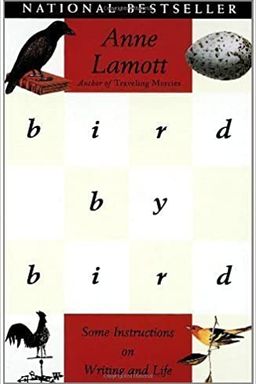
Have you ever sat down to write and felt paralyzed by self-doubt, perfectionism, or the fear that your words won’t matter? In Bird by Bird: Some Instructions on Writing and Life, Anne Lamott argues that writing—far from being an elegant or divine gift—is an act of raw honesty, vulnerability, and persistence. She contends that good writing isn’t about being perfect or inspired; it’s about telling the truth as clearly as you can, piece by piece, day by day.
Lamott’s central idea is that the process of writing mirrors the process of living. You can’t wait for clarity or faith to begin; you must begin to find them. Like taking life itself “bird by bird,” writing requires you to attend to one small thing at a time—a single paragraph, image, or memory—until something meaningful emerges. Along the way, you’ll grapple with uncertainty, self-criticism, jealousy, and chaos, but through these challenges, you learn persistence, humility, and compassion.
Writing as Truth-Telling
For Lamott, all good writing begins with telling the truth. Whether you’re recalling your childhood, inventing fictional characters, or describing how grief feels at midnight, writing is ultimately the attempt to see clearly. Her father, a writer himself, taught her that writers are people who pay attention—who study life with care and capture its messy beauty. This attentive honesty is what separates real art from self-indulgent performance. “Good writing,” she tells her students, “is about telling the truth,” no matter how awkward, ugly, or funny that truth may be.
This moral dimension of writing echoes the views of authors like George Orwell and Joan Didion, who saw writing as an ethical act—a way to find meaning in human suffering and confusion. Lamott adds warmth and humor to this tough ethic: the writer isn’t an authority but a companion to the reader, saying in effect, “You’re not crazy. I’ve felt this too.”
Letter to Every Aspiring Writer
Lamott’s book reads like a conversation between teacher and student. She begins each workshop telling nervous writers that the only way forward is one moment at a time. Don’t try to write a book; try writing about your kindergarten classroom, the creek behind your childhood home, or the awkward dinner last week. You can only build a story by small, manageable assignments. Her father once comforted Lamott’s overwhelmed brother, who had to write a report on birds: “Just take it bird by bird.” That phrase became the book’s metaphor—for writing and for living.
Through these short assignments, writers learn focus. Writing a single vivid scene teaches humility; it forces you to see what’s narrow and small but real. Like E. L. Doctorow’s famous advice—writing is like driving at night, you can only see as far as your headlights—Lamott reminds writers that faith emerges through motion, not before it.
Why Writing Matters Beyond Publication
Perhaps the most radical claim Lamott makes is that publication is not the reward for writing. Success and praise will never make you whole. Instead, the act of writing itself teaches the discipline of truth, resilience, and compassion. Publication may bring brief satisfaction, but writing gives something richer—a way to make meaning from chaos, to offer communion to others who feel alone. Writing can be prayer, therapy, rebellion, and play all at once.
Lamott’s humor dismantles the myth of the glamorous writer: her own first drafts are “shitty,” her inspiration unreliable, and her confidence shaky. But these admissions make the process accessible—you needn’t be divine or brilliant to be a writer. You need only to show up, listen deeply, and tell the truth with empathy. Writing is how you become awake. It’s how you reclaim your voice in a noisy, perfection-obsessed world.
Ultimately, Bird by Bird isn’t just a manual for writers; it’s a guide to living with presence and compassion. Each chapter—on short assignments, perfectionism, first drafts, jealousy, and finding your voice—offers practical advice that doubles as spiritual instruction. Lamott teaches that the creative journey is less about crafting flawless prose than about cultivating faith in your messy, contradictory, human self. You write to pay attention, to discover freedom, and to remind both yourself and your readers that life, though imperfect, is miraculous—bird by bird.