
Idea 1
Reclaiming Your Hormonal Symphony
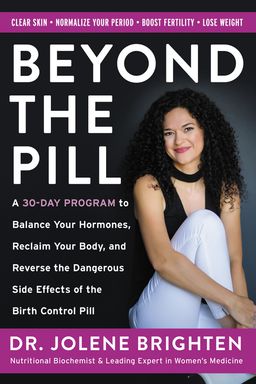
What if the rhythm of your hormones—your inner biological symphony—has been muted without you realizing it? In Beyond the Pill, Dr. Jolene Brighten argues that hormonal contraception, while revolutionary for reproductive control, often comes with an underrecognized cost: the suppression of your natural hormonal intelligence. She introduces the concept of your endocrine system as a symphony, where estrogen, progesterone, testosterone, thyroid, and cortisol each play essential roles in physical, emotional, and cognitive harmony. The pill disrupts that intricate coordination by replacing cyclical signals with synthetic noise.
The book is part science manual, part clinical guide, and part manifesto for women’s hormonal autonomy. It explains how steady doses of synthetic estrogen and progestin flatten hormonal highs and lows, silencing the hypothalamic–pituitary–ovarian (HPO) axis. This suppression not only prevents ovulation; it reshapes metabolism, mood, libido, thyroid function, and even immune health. Brighten’s message is not anti–birth control—it’s pro–informed choice. Her goal is to teach you the biological consequences so you can protect or restore your rhythm.
Understanding the Hormonal Orchestra
Normally, estrogen rises during the follicular phase, luteinizing hormone (LH) peaks to trigger ovulation, and progesterone dominates the luteal phase. Each stage affects how you think, desire, and feel. When you suppress ovulation, you remove progesterone’s calming, stabilizing presence and replace it with synthetic hormones that don’t act identically. Over time this can manifest as anxiety, fatigue, low libido, or flattened mood. Angela’s story in the book illustrates how her brain struggled to ‘relearn the conversation’ with her ovaries after stopping the pill—what Brighten calls post-pill amenorrhea.
The Cascade of Systemic Effects
The pill’s influence extends beyond reproduction. Nutrient depletion (B6, B12, folate, magnesium, zinc) impairs neurotransmitter synthesis. Liver overload alters estrogen metabolism and elevates sex hormone–binding globulin (SHBG), reducing free testosterone and thus libido. Gut flora shifts, creating dysbiosis and even increased intestinal permeability—factors linked to mood changes and autoimmune risk. Thyroid and adrenal systems may falter under chronic synthetic hormone exposure, creating fatigue and metabolic sluggishness. (Note: Brighten aligns with functional medicine approaches by emphasizing system interconnectivity—similar to Sarah Gottfried’s hormone reset framework.)
Post-Birth Control Syndrome and Recovery
When you stop the pill, symptoms can surge—acne, irregular periods, depression, and hair loss—as your body reboots natural hormone communication. Brighten calls this Post‑Birth Control Syndrome (PBCS). Her 30-Day Brighten Program offers a structured plan to help the HPO axis, liver, gut, thyroid, and adrenals synchronize again. This includes nutrient replenishment, detoxification, and lifestyle recalibration to restore balance and fertility.
From Suppression to Empowerment
Ultimately, the book redefines hormonal health as a conversation of systems—not isolated glands. Brighten advocates reclaiming control through informed action: understanding the biological symphony so you can decide whether to continue hormonal contraception, mitigate its risks, or transition off safely. She provides diagnostic tools, emotional frameworks, and case stories proving that recovery is possible with deliberate, evidence-based steps. Listening to your body’s hormonal music isn’t indulgent—it’s essential to vitality, mood stability, and fertility for life.
Core concept
The pill silences your natural endocrine symphony; Brighten’s program teaches you how to retune each instrument—brain, liver, gut, thyroid, adrenals, and ovaries—back into harmony.