
Idea 1
Betting on Yourself: Fix Work by Fixing You
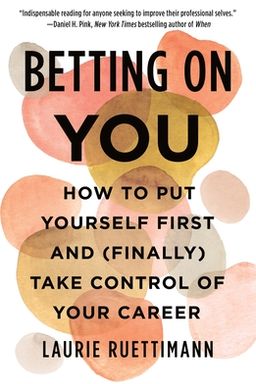
Have you ever caught yourself staring at your computer at work, wondering, “Is this really all there is?” Laurie Ruettimann’s Betting on You: Put Yourself First and (Finally) Take Control of Your Career starts at that exact moment — the intersection of exhaustion, ambition, and self-doubt that plagues millions of workers. A former corporate HR leader who burned out at Pfizer, Ruettimann presents a bold but practical manifesto: you fix work by fixing yourself first. The surviving strategy in a dehumanizing, bureaucratic, and often hypocritical workplace isn’t just hustling harder — it’s reclaiming your dignity, health, and agency.
Ruettimann argues that work is broken because the systems built to manage people reward micromanagement, conformity, and burnout. From her HR vantage point, she realized that employees weren’t lazy or fragile — they were trapped in corporate structures that eroded well-being and confused compliance with contribution. The fix, she insists, isn’t waiting for a kindlier CEO or a magical “culture transformation.” Instead, you must become your own HR department — an advocate, protector, and strategist for your personal and professional growth.
Why Work Is Broken (and Why It Matters)
Ruettimann opens with her years at Pfizer, a job that promised strategic impact but delivered corporate doublespeak and emotional numbness. Behind her six-figure salary and fancy job title, she struggled with depression, weight gain, and purposelessness. What began as a corporate dream turned into what she, borrowing from anthropologist David Graeber, calls a “bullshit job” — a role so distanced from tangible meaning that it corrodes both confidence and morality. Yet quitting wasn’t realistic; she needed health insurance. So she dared to apply corporate logic to her personal life: if companies invest in transformation to survive, why shouldn’t individuals?
That realization led her to take what she calls her “Tijuana moment.” After reading an article about Courtney Love’s alleged lap-band surgery, Ruettimann impulsively flew to Mexico for weight-loss surgery — not just to lose pounds but to regain agency. The surgery wasn’t the moral of the story; taking a risky, self-directed step to reclaim her life was. When she returned, she found herself smiling more, blogging honestly about HR, and discovering purpose outside corporate validation. Her recovery was both physical and symbolic: by prioritizing herself, she reentered life sharper, calmer, and freer.
The Framework of Self-Repair
Throughout the book, Ruettimann structures her guidance around nine chapters, each representing a domain of self-care in disguise: well-being (“Find Your Tijuana”), balance (“Be a Slacker”), confidence (“Bet on Yourself”), financial stability (“Fix Your Money”), curiosity (“Always Be Learnin’”), self-advocacy (“Be Your Own HR”), professional reinvention (“Job Search 101”), exit strategy (“Quittin’ Time”), and purpose realignment (“It’s on You”). Each step reinforces her philosophy that personal transformation isn’t selfish — it’s strategic. Healthy boundaries, financial prudence, and emotional intelligence aren’t luxuries; they are the real tools of career control.
Her storytelling approach — equal parts humor, confession, and coaching — makes complex ideas relatable. Instead of empty “follow-your-passion” advice, she introduces practical experiments: 30-day learning sprints, feedback journaling, or asking a mentor for brutally honest advice. She warns, though, that none of this works without honesty. If your work is killing you, no productivity hack will save you. The cure is self-awareness, accountability, and action.
The Stakes: Why It’s Not Just About You
Ruettimann’s premise also extends outward — systemic change starts with empowered individuals. By investing in yourself, you model healthier norms that ripple through teams and cultures. When you insist on sleep, boundaries, and learning time, you enable coworkers to do the same. Leaders who practice self-care pass that ethic down. In this way, “betting on you” isn’t narcissistic; it’s the first domino in fixing toxic workplaces one sane person at a time.
Throughout the book, she peppers stories that humanize her advice: the burnt-out VP who discovers professional detachment, the receptionist who channels her anger into a veterinary career, the HR employee who bungled an email but rebuilt her reputation through accountability and mentorship. These tales reinforce a pattern: once someone reclaims curiosity, dignity, or perspective, they radically reshape not only their work but their worldview.
Why This Book Matters Now
In a world reeling from disengagement — where over half of workers admit to hating their jobs — Ruettimann’s voice lands somewhere between empathy and urgency. Her message resonates especially in post-pandemic work cultures craving authenticity: stop waiting for “better managers” and start being your own best advocate. The fix isn’t more loyalty or productivity; it’s reconnecting with your humanity.
"You fix your world by fixing yourself first."
Ultimately, Betting on You is both diagnosis and prescription. Work sucks because we keep hoping companies will save us. They won’t. But when you reclaim your energy, learn continuously, balance your life, and secure financial independence, you earn the right to rewrite your story. The path to fixing work — and your happiness — begins with the hardest, yet most rewarding bet of all: the one you place on yourself.