
Idea 1
The Berkshire Way: Culture as Economic Moat
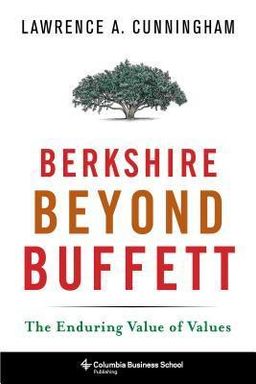
How can a conglomerate thrive for decades while many peers implode under debt or overcomplexity? The answer lies in the Berkshire Way—a distinctive combination of culture, permanence, and disciplined autonomy that converts intangible trust into tangible economic advantage. The book’s central argument is that Berkshire Hathaway’s deepest moat is not its investment portfolio or its founder’s brilliance but its enduring culture: a set of principles that turn values like integrity, thrift, and permanence into measurable performance.
Culture and values as priced assets
At Berkshire, cultural capital works like economic capital. Sellers trade part of a purchase price for the assurance that their life’s work will be preserved. Family firms—See’s Candies, RC Willey, and Nebraska Furniture Mart—accepted lower bids to join Berkshire because they trusted its promise of autonomy and stewardship. That trust has quantifiable worth: managers stay, customers remain loyal, and those long-run effects compound value.
Culture underwrites everything Berkshire does. Whether through its insurance float, its decentralized management, or its acquisition philosophy, the firm captures an intangible exchange: autonomy and permanence in return for loyalty and long-term compounding. As Warren Buffett and Charlie Munger institutionalized these norms—publishing owner-related principles, acquisition criteria, and repeatedly communicating with managers—the culture became durable enough to outlast individuals.
Decentralization and trust
Berkshire’s operating model is radically decentralized: a handful of headquarters staff oversee more than 60,000 employees across hundreds of subsidiaries. Managers act as owners with minimal interference. This autonomy works because Berkshire recruits people who treat reputation as sacred and report problems early. When trust is breached—as in David Sokol’s Lubrizol affair—the company intervenes decisively. That balance creates an authentic sense of responsibility absent in bureaucratic conglomerates.
The “hands-off” principle makes Berkshire nimble. Subsidiary leaders—from Tony Nicely at GEICO to Paul Andrews at TTI—make decisions fast and close to operations. Bureaucracy is replaced by mutual confidence. (Note: This echoes Peter Drucker’s “management by objectives,” but with more moral dimension—Buffett’s classic test is whether a manager’s decision could appear on a front page without embarrassment.)
Financial structure and float as cultural engines
Float, insurance’s unique capital source, is the financial reflection of the same culture. Promise-keeping in insurance is economic trust in action. GEICO’s discipline, NICO’s cautious underwriting, and Ajit Jain’s conservative pricing form a model where reputation literally funds growth. Float creates low-cost capital precisely because Berkshire’s insurers deliver on promises. That integrity makes customers and counterparties willing to commit billions for decades.
The logic of permanence
Berkshire’s “forever” ownership policy—no plans to sell operating businesses—produces stability rare in corporate life. Permanence lets managers invest for decades, not quarters. Fruit of the Loom’s revival after LBO-induced bankruptcy, Forest River’s expansion under Peter Liegl after joining Berkshire, and Marmon’s organizational continuities under Frank Ptak prove how permanence revitalizes durable businesses.
An institutional legacy
Succession arrangements and philanthropic practices further reinforce permanence. Buffett’s division of leadership roles, his planned share donations to charitable foundations, and his commitment to long-term shareholders make Berkshire a model for institutional continuity. The cultural DNA—autonomy, reputation, austerity—ensures resilience when founders exit. Marmon shows this continuity in microcosm: a mini-Berkshire run on the same decentralized, low-debt, buy-fix-hold principles.
Core takeaway
This system converts values into value. Culture is Berkshire’s true moat—an asset priced into every deal, every promise, and every generation of leadership. To grasp Berkshire’s success, you must view integrity, permanence, and trust not as soft virtues but as perpetual earning engines that compound across decades.
You finish this section realizing that Berkshire’s story is less about genius and more about architecture: designing a structure where good behavior, prudence, and permanence pay real returns. It’s capitalism with character—an economic lesson dressed as moral philosophy.