
Idea 1
Haunted by History: Love, Trauma, and the Unburied Past
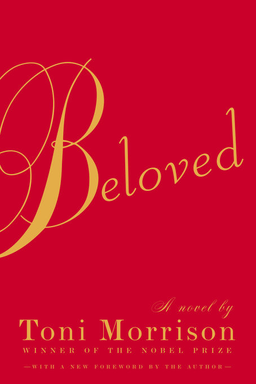
What would you do if the past refused to stay buried? In Beloved, Toni Morrison challenges you to consider how history, especially the history of enslavement, lives within our bodies, our homes, and the stories we tell—or refuse to tell. She argues that true freedom demands facing what haunts us, both personally and collectively. Forgetting is deadly; remembering, though painful, is the only way to heal.
Set in post-Civil War Ohio, Beloved tells the story of Sethe, a formerly enslaved woman who kills her baby to save her from being enslaved again. Eighteen years later, the child’s ghost returns in the form of a mysterious young woman named Beloved. Through Sethe’s story and the community that surrounds her, Morrison asks how people who have been treated as property can reclaim ownership of their identities, bodies, and memories.
Memory as Both Burden and Salvation
Morrison presents memory as an active, often violent force. Sethe’s haunted house—known by its number, 124—is not just a setting but a living organism of memory, filled with the spiteful energy of a murdered child. When Paul D, another survivor of slavery, visits, he awakens Sethe’s past and releases her suppressed memories. Morrison reveals memory as communal: it’s not only Sethe’s but one shared by an entire people who inherit grief across generations. As in works like William Faulkner’s Absalom, Absalom!, Morrison transforms history into haunting, forcing characters and readers alike to confront the ghosts of America’s racial past.
The Question of Freedom
Freedom in Beloved is not a legal status but a psychic state. Sethe and the other characters have physically escaped slavery, yet they cannot escape its mental and emotional consequences. For Baby Suggs, Sethe’s mother-in-law, freedom initially means self-love; she preaches in the woods that Black people must love their flesh because the world despises it. But later, even she retreats into despair when white men invade her home and her dreams collapse. Morrison’s point is clear: freedom without healing, without memory, remains incomplete. To be fully free, you must reclaim not only your body but also your right to remember your story.
Love as a Generous and Destructive Force
Morrison portrays love as both salvation and danger. Sethe’s overwhelming love compels her to kill her child rather than see her enslaved. Paul D, horrified, tells her, “Your love is too thick,” suggesting that the very qualities that make her human can also destroy her. This tension between love and freedom echoes throughout the book: to love deeply in a world that dehumanizes you is an act of rebellion, but also a risk. As Morrison shows, survival under slavery required emotional restraint; to feel too much was to risk madness. Yet denying feeling also destroys the soul. For Morrison, real love requires confronting pain, not avoiding it.
Why Memory Matters Today
Morrison’s vision in Beloved extends beyond the 19th century. Her exploration of trauma and intergenerational haunting resonates with modern psychology, echoing what thinkers like Bessel van der Kolk argue in The Body Keeps the Score: that unhealed trauma repeats itself until it’s faced. In our own lives, repressing pain—whether individual or national—only magnifies it. For Morrison, acknowledging the ghosts allows transformation. Sethe’s home eventually becomes a place where community gathers, showing that healing is not solitary but collective. Remembering, though devastating, is an act of love and survival.
Through the story of one haunted family, Morrison builds an epic of a haunted nation. Beloved insists that before America—or any person—can be whole, the sins of history must be spoken, mourned, and embraced. The past is not over, she reminds us; it’s in the walls, in the blood, and in the stories still waiting to be told.