
Idea 1
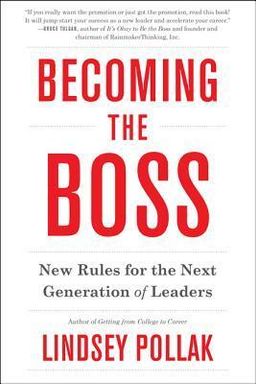
Becoming the Boss: New Rules for a New Generation
What does it really mean to be a leader in a world that’s changing faster than any generation before you? In Becoming the Boss, Lindsey Pollak argues that twenty-first-century leadership isn’t about climbing a rigid corporate ladder—it’s about navigating a dynamic, diverse, and digital workplace with adaptability, authenticity, and purpose. Pollak contends that millennials and younger professionals are stepping into leadership roles amid rapid demographic, economic, and technological change, facing challenges their predecessors never imagined. Her message is clear: to lead successfully today, you must master both timeless leadership principles and modern realities.
Pollak begins with her own story—how an unexpected layoff propelled her from an untested manager at a failed dot-com into a thriving entrepreneurial career focused on helping young professionals become confident, capable leaders. Her experience frames the book’s central claim: leadership now begins from within, as a mind-set of influence and initiative regardless of title. Whether you manage a team, run a business, or simply want to make an impact, you are already a leader. The difference is how you approach the world and your desire to make meaningful change.
The Millennial Leadership Revolution
Pollak positions millennials—the generation born roughly between 1982 and 2000—as the vanguard of this revolution. By 2020, they make up half of the U.S. workforce. Their rise coincides with sweeping shifts shaping work and leadership: baby boomers retiring in droves, globalization reshaping economies, and technology transforming not just how we work but how we think. In contrast to past generations who valued stability and hierarchy, millennials thrive on collaboration, transparency, flexibility, and digital engagement. These values demand new management mindsets—and Pollak aims to give young leaders the tools to balance tradition with innovation.
Why Older Leadership Models No Longer Fit
In the twentieth century, management guides like The One Minute Manager and How to Win Friends and Influence People taught leaders how to motivate through clear directives, structure, and emotional diplomacy. Those timeless lessons still matter—to communicate clearly, to value people, to lead with integrity—but Pollak shows they’re insufficient alone. Today, leaders supervise virtual teams across time zones, manage hybrid workforces, and coach employees who value autonomy as much as authority. The model of the omniscient boss dictating from above no longer works; leadership has flattened into influence and collaboration. As Pollak writes, leadership must now be self-directed, cross-generational, technologically fluent, and deeply human.
The New Context for Leading
Pollak identifies three revolutions reshaping the context in which you will lead: the demographic revolution, with millennials replacing baby boomers and sharing space with Gen Xers and traditionalists; the economic revolution, where globalization, rising costs of living, and crushing student debt redefine success; and the technological revolution, where rapid innovation and near-constant connectivity create both efficiency and anxiety. Together, these forces demand leaders who are agile, empathetic, digitally skilled, and capable of guiding teams through uncertainty. “To communicate effectively with people of multiple generations,” she warns, “you must be fluent in different languages—literal and cultural.”
Leadership Starts With You
The book’s core idea—“You are the CEO of You, Inc.”—sets the foundation for modern career growth. In an economy where job security is scarce, Pollak insists you must treat your career as your personal enterprise. You manage your brand, your network, and your learning. Millennials, she notes, already think entrepreneurially: most see entrepreneurship as a mindset rather than a job title. Whether you work for yourself or someone else, success now depends on self-awareness and ongoing reinvention. The book’s chapters then explore the tools to build that mindset: learning the history of leadership, cultivating self-confidence, managing others effectively, communicating across generations, finding balance in a 24/7 world, and expanding your influence through networking and mentorship. Ultimately, Becoming the Boss isn’t just a guide to managing people—it’s a roadmap to managing yourself so you can lead in a world that won’t stop changing.