
Idea 1
The Astor Pattern: Extraction, Rent, Ritual, Reputation
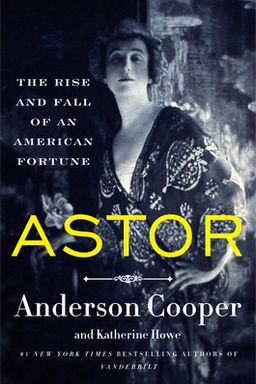
How do you turn a frontier commodity into an empire that outlives its founders, then convert that empire into a cultural brand? This book argues that the Astor dynasty mastered a repeating pattern—extract high-margin value from obscure or controlled channels; lock in long-tail profits by owning urban ground; convert money into social legitimacy through rules, rituals, and spectacle; and manage (or mismanage) the reputational fallout that follows. The pattern is both entrepreneurial playbook and cautionary tale: it delivers generational wealth while leaving a long ledger of social harms, political backlash, and contested memory.
You first meet John Jacob Astor as a fur trader who fuses supply control with maritime arbitrage. He ships beaver and sea-otter pelts to China, brings back silk and tea, and pockets margins that frontier trappers never see. This is vertical integration with a global twist (Note: it anticipates later American titans—Vanderbilt with rail corridors; Rockefeller with pipelines—who make empires by owning choke points). But Astor’s engine runs on coercive mechanisms: alcohol, debt, and price manipulation against Indigenous partners. The book refuses nostalgia; it keeps showing you the trap’s steel jaws and the whiskey keg by the trading post.
From pelts to property
Astor’s greatest pivot is into Manhattan dirt. He buys cheap parcels—Greenwich Village lots held as Aaron Burr’s security, or Eden Farm up in the 40s—and leases them for 21-year terms. Tenants build at their cost; when leases expire, improved properties revert to the Astors. Capital-light development turns time into wealth. His son William Backhouse Astor systematizes the model and rides the immigrant boom; subdivided houses and tenements multiply on Astor land. The rent rolls rise even as buildings decay (Note: a classic rentier incentive misalignment).
Rituals that legitimate wealth
Caroline Schermerhorn Astor—“the” Mrs. Astor—solves a different problem: how to turn money into pedigree. With Ward McAllister she conjures scarcity—The Patriarchs, the Four Hundred, invitation-only balls—and converts etiquette into a gatekeeping technology. You see how rituals (calling cards, kid gloves, a ballroom big enough for 400) perform stability in a volatile, nouveau-riche city. Her social script becomes a national template for how elites police the boundary between taste and ostentation, lineage and liquidity.
From salons to lobbies
Then the stage widens. The Waldorf (1893) and the Astoria (1897)—born of a family feud between Will and Jack—create semi-public theaters where status can be purchased by the ticket. George Boldt professionalizes hospitality; Oscar Tschirky invents a service brand (Waldorf salad, velvet-rope psychology). The charity ball becomes the franchise model of respectable spectacle: buy a table, get seen, feel virtuous. Social life migrates from private salons to opulent lobbies—an early preview of today’s branded galas and membership economies.
Rivalry, scandal, and myth
The family itself performs in public. Architecture is weaponized (a hotel next to Aunt Caroline’s mansion), newspapers amplify scandal, and the Astor Place Riot (1849) exposes class rancor in blood. Jack Astor’s death on Titanic becomes the dynasty’s cinematic parable: across 1943, 1953, and 1997 films, he shapeshifts from capitalist villain to chivalric relic to background decor—proof that culture repurposes elites to suit the era’s anxieties.
Counter-histories and reformers
Alongside the marble, you meet lives pressed to the margins: a different John Jacob Astor dies blind and indigent on Blackwell’s Island; tenements return 25–100% while families starve; the Draft Riots torch a city designed for other people’s rents. And later, queer New Yorkers craft refuge at “Mrs. Astor’s Bar”—a coded oval where glances speak, sailors dance, and predators (the “Chickens and Bulls” ring) exploit secrecy. Finally, the dynasty mutates: Vincent sells land, builds playgrounds, and hides at sea on the Nourmahal; Brooke rebrands the name into civic virtue, then endures a guardianship-cum-criminal spectacle that makes elder justice front-page news.
Thesis in one line
Astor wealth is a machine that converts control over supply and space into money, then refines that money into legitimacy through ritual and spectacle—while the city, its workers, and its excluded communities bear the hidden costs.
If you study modern capitalism’s city-making power, this family is a syllabus: frontier extraction; rentier urbanism; social gatekeeping; the rise of hospitality as public theater; media myth-making; and philanthropic reframing under legal scrutiny (compare: Piketty on capital, Chauncey on queer urban worlds, and Stigler on regulation capture). The Astor story teaches you how fortunes are built, laundered, displayed, contested, and remembered.