
Idea 1
Turning Creativity into a Thriving Career
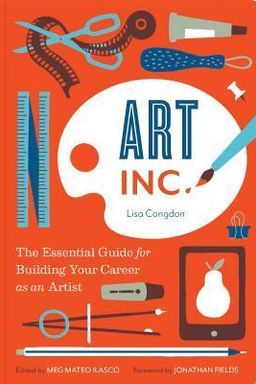
Can you really make a living doing what you love? In Art, Inc., Lisa Congdon argues that you absolutely can—and that being an artist and being financially successful are not mutually exclusive. Congdon dismantles the age-old myth of the 'starving artist' and shows that creative individuals can thrive when they combine artistic passion with entrepreneurial skill. Through her own experience and dozens of interviews with working artists, she reveals that success in art is not just about talent, but about mindset, discipline, and business acumen.
Congdon’s journey began unconventionally; she didn’t pick up a paintbrush until she was thirty-two. Within a few years, she transformed from hobbyist to full-time artist through curiosity, perseverance, and strategic use of online platforms. Her story—alongside those of artists like Nikki McClure, Flora Bowley, and Jessica Silverman—anchors this book’s central thesis: success is less about luck and more about taking concrete action.
From Starving to Thriving: A Mindset Shift
The first barrier to artistic fulfillment is psychological. Congdon shows how the 'starving artist' narrative cripples creativity and keeps creators afraid to pursue prosperity. She urges artists to shed guilt around money by viewing income as fuel for more art-making, not as corruption of artistic purity. Having what she calls the 'thriving artist’s mindset' means focusing on possibility and abundance rather than scarcity. Artists can—and should—see themselves as professionals whose work has tangible value.
The Business of Art
But mindset alone isn’t enough. Congdon teaches readers how to build the nuts and bolts of an art business: organizing finances, pricing work fairly, creating promotional materials, using social media strategically, and cultivating multiple streams of income to stay financially resilient. She stresses the importance of viewing art as a business, not a hobby. Successful artists, she notes, understand taxes, contracts, brand identity, and time management as readily as they understand composition and color.
In every chapter, Congdon uses real-world examples. Esther Pearl Watson demonstrates diversified income through teaching, illustration, and painting; Rebecca Rebouché shares her disciplined schedule and journaling practice; 3 Fish Studios shows how opening a physical storefront expanded their reach and community. Through these stories, you see how structure and creativity coexist beautifully.
Building Visibility and Community
Visibility is the lifeblood of a modern art career. Congdon devotes entire chapters to promotion—how to build a compelling website, write a bio, use platforms like Instagram and Etsy, and pitch to blogs and magazines. While technical tools evolve, her key principle remains timeless: authentic storytelling builds connection. By letting people see behind the curtain through blogging or social updates, artists not only sell works but also foster loyal communities around their creative lives.
Diversifying Artistic Income
Congdon provides a comprehensive overview of income streams—original artwork, prints, illustration and design commissions, licensing deals, teaching, and exhibitions. Each requires different strategies but all hinge on one idea: diversify. A thriving art career rarely depends on one source of income. This diversification, she explains, safeguards against market fluctuations and keeps the artistic journey fresh and exciting.
Balancing Creativity and Life
Finally, Congdon reminds us that art’s success cannot exist without balance. The last chapters explore managing periods of feast and famine, setting boundaries, saying no gracefully, hiring help when necessary, and defining personal versions of success. For Flora Bowley, teaching became central to her creative life; Paula Scher, the celebrated designer, shares how self-imposed artistic discipline sustains her dual career. The goal isn’t to chase endless productivity—it’s to cultivate fulfillment and longevity.
In total, Art, Inc. is a practical yet inspiring manual for artists at all levels. It’s as much about emotional growth as financial sustainability. Congdon’s work redefines what it means to live creatively: not as a struggle against the world, but as a thriving, outward-facing enterprise rooted in self-belief, community, and strategic effort.