
Idea 1
Creating the World You Want Through Business
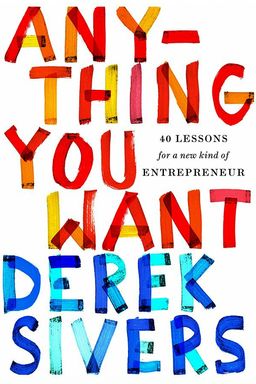
What if your business wasn’t just a job, but a way to design your perfect world? In Anything You Want, Derek Sivers invites you to rethink what entrepreneurship means—not as a path to wealth or fame, but as a creative act of freedom. He argues that business is fundamentally about making dreams come true, for yourself and for others. Every company, large or small, is a blank canvas where you can paint your version of utopia. By building CD Baby, a website that accidentally became a multimillion-dollar empire helping musicians sell their CDs, Sivers learned that success isn’t about growth, funding, or hustle—it’s about happiness, purpose, and staying true to your compass.
At its heart, the book is a love letter to unconventional, self-designed business. Sivers reveals how he transformed a simple personal project into a thriving enterprise by following his instinct, ignoring business clichés, and delighting customers through sincere human connection. He contends that anyone can create a successful business by starting small, focusing entirely on real people’s needs, and creating with joy instead of greed.
Rethinking Success and Motivation
Sivers begins with a simple yet radical idea: never do anything just for money. His own story starts when he was a musician selling his CDs online and decided to help friends do the same. What began as a hobby—helping a few friends sell their albums—grew into CD Baby, a massive distribution platform serving indie artists globally. Yet even at its peak, he resisted the pressure to maximize profits. Unlike Silicon Valley founders chasing valuation, Sivers built CD Baby around joy, simplicity, and fairness: paying artists weekly, showing them who bought their music, and refusing paid placement. The result? A business that felt human and ethical—and millions in revenue were merely a byproduct of doing what felt right.
The Compass: Happiness Over Ambition
One of the first lessons he offers is to find your personal compass—the deeper reason you do what you do. Many people spend their lives chasing someone else's definition of success. They imitate others, follow trends, and get trapped in cycles of ambition that don’t make them happy. Instead, Sivers says, define success by what truly makes you happy, whether that means working alone, staying small, or giving away your profits. For him, happiness came not from expansion but from simplification. When journalists asked about CD Baby’s long-term vision, he laughed—he had none. He simply aimed to help people today. This clarity, he insists, is the antidote to burnout and distraction.
Freedom Through Simplicity
Unlike the typical startup narrative, Sivers shows how less really is more. He scoffs at the obsession with funding, corporate policies, and formalities. When friends asked what lawyer wrote his Terms and Conditions page, he said none—because those pages don’t make people happy or solve real problems. When investors tried to buy in, he refused, choosing freedom over scale. Each time growth demanded compromises—more employees, bureaucracy, meetings—he felt less joy. And joy was his north star. (This echoes similar philosophies from authors like Jason Fried and David Heinemeier Hansson in Rework.)
Building Through Love, Not Fear
The hallmark of Sivers’s approach is genuine human care. He demonstrates that if you act like you don’t need the money, people trust you more. When businesses operate from fear—trying to prevent every mistake or squeeze every dollar—they become cold and bureaucratic. When they operate from love—trusting customers, welcoming errors as lessons—they become magnets for loyalty. His goofy shipping confirmation email (describing gold-lined boxes and a private CD Baby jet) thrilled thousands, showing how humor and authenticity scale better than ornate marketing campaigns.
The Power of Letting Go
After ten years of growth, Sivers realized his biggest challenge wasn’t another product—it was knowing when to stop. When he lost his enthusiasm for the work, he saw that holding on would hurt everyone involved. Encouraged by Seth Godin’s advice (“If you care, sell”), he sold the company in one introspective day and gave its $22 million proceeds to charity. The decision embodied the essence of his message: you already have enough. The real magic of entrepreneurship isn’t accumulation—it’s liberation. In the end, Anything You Want teaches that your business, like your life, should be a dream come true—not for status or survival, but for happiness and meaning.