
Idea 1
The Power of Visionary Leadership
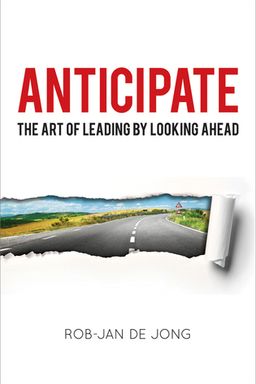
Why do some leaders consistently anticipate change and inspire commitment while others remain trapped in short-term management? In this book, the author argues that the difference is not charisma or luck—it is the disciplined use of visionary thinking. Vision, when practiced systematically, gives you a way to imagine alternative futures, motivate people emotionally, and decide strategically amid ambiguity.
Vision as a Practical Leadership Tool
Vision is often mistaken for mystical inspiration, yet the author reframes it as a learnable skill. It is a structured approach to seeing and shaping the future—through imagination, foresight, and coherent storytelling. A strong vision serves four functions: it shows the path forward, stretches imagination, challenges the status quo, and energizes and mobilizes followers. Visionary leaders, from JFK’s moon mission to Sheikh Mohammed’s post‑oil plan for Dubai, used those principles to transform entire systems.
Aristotle’s Triad: Logos, Pathos, Ethos
Credible vision combines logos (logical direction and reason), pathos (emotional appeal and noble cause), and ethos (leader credibility). If logic is missing, your vision seems naive; if emotion is missing, people won’t care; if credibility falters, trust collapses. The book shows how to weave these elements deliberately—using rational clarity, emotional connection, and moral consistency—to make vision persuasive and sustainable.
A Developmental Journey, Not a Trait
The author presents four levels of “future engagement,” from casual news awareness to full, habitual futurizing. Most people live at Levels 1–2, consuming information but rarely creating foresight. True mastery occurs at Level 4, where future-thinking becomes routine—where weak signals are noticed early and integrated into daily decisions. This framework echoes Confucius’s stages of learning (“I hear and I forget; I do and I understand”) and reframes visionary skill as a habit of mind, not an innate gift.
Imagination and Bias: The Mental Foundations
Vision begins with imagination—the brain’s ability to simulate future experiences through its default network. Studies by Adam Waytz and Malia Mason show creativity blossoms during mental wandering, not forced focus. Yet cognitive frames also distort your perception. Like Adelson’s checkerboard illusion or Kodak’s digital denial, leaders often mistake comforting patterns for truth. The book warns that visionary practice must include humility—systems to surface dissent, test assumptions, and unblind your own blind spots before conviction turns into error.
From Inner Purpose to Outer Influence
Ultimately, the book links external vision to internal authenticity. Vision stems from values: what you deeply care about, how you act when challenged, and what people can predict about your behavior. Through exercises like the Obituary reflection, Story Mining, and the “So That What?” probe, you identify the motivations behind your vision. When logos, pathos, and ethos converge—supported by mindful habits, imaginative rituals, and ethical storytelling—you gain the ability to lead transformation with foresight rather than reaction.
Key takeaway
Visionary leadership is not prediction; it is preparation. You train imagination, tame bias, build scenario memory, and root every message in authenticity—so your people see the future before it arrives and willingly help you create it.