
Idea 1
Understanding Anger: Energy, Emotion, and Choice
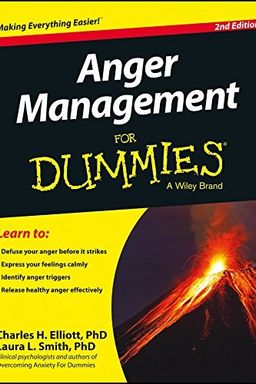
Anger is one of the most powerful—and misunderstood—human emotions. It can energize you to defend yourself, set boundaries, and fight injustice, yet it can just as easily damage your health, relationships, and career if unregulated. The book begins by rethinking what anger truly is: not simply irritation or hostility, but a coordinated response involving mind, body, and behavior evolved to deal with threat.
Anger as a Three-Part Reaction
You feel anger in your body—quick heartbeat, tension, flushed skin. You think about its source—often assigning blame or judging unfairness. And you act—by speaking sharply, withdrawing, or planning revenge. This threefold pattern reveals anger’s evolutionary role as defense and communication. However, modern life constantly triggers this system in non-lethal contexts—traffic jams, corporate emails, relational disappointment—where primitive responses do more harm than good.
The Function and the Trap
Anger has adaptive purposes: it signals violated boundaries, motivates problem-solving, and communicates urgent needs. Constructively managed, it drives social reform and self-protection. Yet chronic or explosive anger elevates blood pressure, disrupts decision-making, fuels addictions, and creates ongoing interpersonal damage. (Note: studies link sustained hostility to heart disease as strongly as smoking.) The challenge is to listen to anger’s message without obeying its destructive impulse.
Dispelling Myths
The book cuts through myths: venting doesn’t help—it rehearses aggression. Men aren’t angrier than women, though expression styles differ. Age often brings better regulation, not more irritability. And physical signals prove anger isn’t just mental; it’s visceral. Understanding these truths sets the stage for sustainable change.
From Awareness to Action
You learn to see anger as information, not command. Your body’s early cues—clenched jaw, shallow breath—are invitations to pause. Later chapters offer concrete skills: identifying your style, tracking triggers, reframing thoughts, building self-esteem, asserting calmly, and practicing forgiveness. The overall argument is simple but profound: anger itself is not the enemy. The enemy is confusion about what anger means and how to use it.
The journey this book traces begins with awareness, moves through emotional literacy and practical exercises, and ends with sustainable balance. You rediscover that anger, when understood and transformed, becomes a resource for strength, clarity, and compassion instead of destruction.