
Idea 1
The Psychiatric Paradox: Progress and Decline
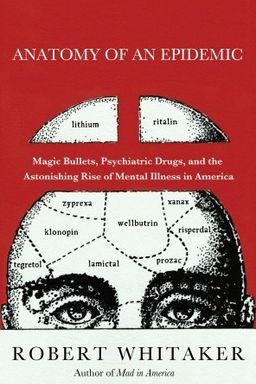
You live in a time when psychiatry claims scientific triumphs — modern drugs, biological explanations, brain imaging — yet mental illness disability has skyrocketed. Robert Whitaker confronts you with this paradox. If the treatments truly fixed brain chemistry as insulin fixes diabetes, why has chronic disability grown instead of shrunk? That question frames the book’s central argument: psychiatry’s biological revolution has inadvertently produced an iatrogenic epidemic — a vast increase in chronic mental illness resulting from the treatments themselves.
The promise and the contradiction
Postwar psychiatry sought legitimacy through biology. The first successes—Thorazine for psychosis, Miltown and Librium for anxiety, iproniazid for depression—emerged not from deep understanding of disease but from serendipitous behavioral effects. Those drugs soothed symptoms quickly, so psychiatry and the public rushed to call them cures. Media amplified a narrative of medical conquest; pharmaceutical marketing promoted drugs as “magic bullets.” By the 1980s, this biological framing had become cultural orthodoxy reinforced by DSM‑III, NIMH’s outreach, and family organizations like NAMI.
The paradox became visible only later. Even as prescriptions soared, federal disability rolls for mental illness multiplied sixfold between 1955 and 2007, with an especially dramatic thirty-five‑fold rise among children. Antidepressant use, antipsychotics, and new tranquilizers helped many in crisis but correlated with chronicity and rising lifetime dependence on SSI/SSDI. What looked like progress on the surface hid worsening societal outcomes underneath.
How the chemical-imbalance metaphor seduced a generation
The serotonin and dopamine stories offered simple comfort: depression is low serotonin; schizophrenia is high dopamine. They linked drug action to presumed disease cause. Yet the evidence never proved such deficits existed before medication. Observed neurotransmitter changes stemmed from pharmacological effects, not intrinsic pathology. As later research showed, people never exposed to drugs displayed normal or variable metabolite levels. The chemical-imbalance metaphor persisted anyway because it was easy to communicate and reassuring to patients—it fit the era’s biomedical optimism.
Whitaker demonstrates how this simplification concealed a deeper biological truth: brains adapt. Every psychotropic initiates a perturbation; the brain compensates via receptor, synaptic, and gene-expression changes. Chronic exposure creates new neural equilibriums dependent on drugs for steady function. When drugs are stopped, rebound effects or “supersensitivity” can trigger relapse. The result is often not restored normality but enduring alteration—a second illness induced by the treatment itself.
From individual relief to population harm
For you as a reader, this means distinguishing personal benefit from collective outcome. Individual cases—Cathy Levin grateful for Risperdal yet disabled; George Badillo recovering when off drugs—mirror larger data trends. Short-term trials celebrate symptom relief; long-term studies (Harrow’s 15‑year schizophrenia follow-up, the MTA ADHD trial) show consistent chronic deterioration among continuous medication users. These elongated arcs reveal the same paradox across diagnoses: drugs that stabilize acutely often deteriorate functionally over years.
The hidden architecture behind belief
Whitaker traces institutional power behind this system. The APA, NIMH, and pharmaceutical firms jointly manufactured a medical narrative through DSM‑III, media programs, and outreach campaigns like DART. Key Opinion Leaders—Charles Nemeroff, Frederick Goodwin, Joseph Biederman—received millions from industry, shaping clinical norms. Public trust followed their authority, believing “brain disease” explanations and medication solutions. Meanwhile, dissenters such as Loren Mosher, Peter Breggin, and David Healy were professionally marginalized for questioning the model.
The cost you now see
The iatrogenic epidemic carries physical and social costs: metabolic dysfunction, cognitive decline, premature death (15–25 years shorter lifespans), and generational effects. Children medicated for ADHD or mild mood issues now enter adulthood with altered neural systems and rising bipolar diagnoses—many created by medication‑induced cycling. The epidemic thus extends from adult psychosis to pediatric care, fueled by marketing, trial distortions, and diagnostic expansion.
A glimpse of alternatives and reform
Whitaker ends not in despair but in possibility. Programs like Open Dialogue in Finland show that selective or minimal drug use produces stunning recovery rates—nearly 80% asymptomatic and working after five years. Exercise therapy rivals antidepressants in long-term success. Alaska’s PsychRights case establishes legal limits on forced drugging. These examples illuminate a new path: honest science, psychosocial investment, and respect for patient autonomy.
Core message
Psychiatry’s apparent progress hid a systemic failure: short-term fixes created long-term disability. To heal the future, you must replace chemical-imbalance myths with transparent evidence, patient partnerships, and therapies that restore function rather than perpetuate dependence.