
Idea 1
Surface Power and the Illusion of Identity
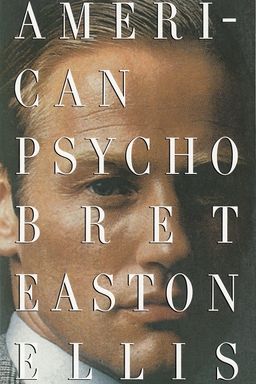
Why does a man described by wealth, grooming, and charm turn into a moral abyss? In American Psycho, Bret Easton Ellis constructs a world where appearance has replaced essence. The 1980s yuppie New York becomes an ecosystem of surfaces—branded suits, fine restaurants, reservations, and designer rituals—that together function as moral currency. Through Patrick Bateman, Ellis argues that consumerism not only builds identity but erases it; the self becomes a catalog of possessions rather than a center of empathy.
The grammar of brands
The book’s language is flooded with brand names—Armani, Valentino, Burberry, Ralph Lauren, Oliver Peoples—used with religious precision. In this environment, knowing labels equates to understanding social hierarchies. Bateman and his peers talk in serial lists, convert objects into indicators of worth, and communicate through commodities. A business card’s paper stock decides status; a restaurant reservation becomes proof of existence. Through this consumer enumeration, Ellis satirizes modern success, replacing virtue with visibility.
Dinner and dominance
Dining rituals embody social theater. Characters battle for tables at Dorsia or Pastels with the gravity of military conquest. Conversation at these dinners does not exchange ideas but certifies belonging—laced with politics, jokes, and subtle humiliations. Each gesture—lint brushing, airkissing, designer candleholders—enacts hierarchy. You watch people perform manners as strategic warfare. Food is no longer nourishment but validation, and exclusion from certain restaurants amounts to social extinction.
Grooming as survival
Bateman’s morning rituals present self-construction at its most obsessive. His litany of products—Clinique moisturizers, Rembrandt tooth polishers, Redken conditioners—feels sacred. By aligning hygiene with technology (Interplak toothbrushes, sonic devices), he renders his body a polished advertisement. The act of grooming becomes an attempt to manufacture impermeability. When every pore and accessory are managed with surgical care, vulnerability vanishes—and so does humanity.
Violence as mirror
The horrific acts—murders, torture, mutilation—share the same procedural tone as product lists. Ellis intentionally fuses brutality with bureaucracy. Bateman kills not in rage but in order, like completing a checklist: wrapping floors in newspaper, retrieving appropriate tools, cleaning afterward. This mechanized cruelty mirrors capitalist logic—methodical, emotionless, efficient. Violence here is normalized, absorbed by the same consumer rhythm that worships brand precision.
Slippery reality
Ellis collapses distinctions between fact and fantasy. Bateman confesses murders, yet acquaintances claim to have seen his victims abroad. Recorded evidence—voicemails, videotapes—fails to alter social inertia. The world refuses truth if it disrupts comfort. You realize that in a reality defined by aesthetics, even confession becomes performance. Moral judgment disappears into décor.
The cost of surface worship
Ultimately, Ellis turns the mirror toward the audience. The satire of 1980s success—its fixation on appearance, power, and pleasure—reveals emptiness beneath glamour. By making the repetition of brands oppressive and humorless, the novel lets you feel collapse from within. Bateman’s world keeps functioning despite atrocity because the social system prizes polish over honesty. Consumer perfection becomes camouflage for barbarity. You finish realizing that Bateman is a synecdoche for his era: perfect suit, absent soul.
Core insight
Ellis’s message is not merely that greed corrupts; it’s that spectacle anesthetizes. When objects become moral vocabulary, empathy fades, and civilization celebrates its own collapse as style.