
Idea 1
Leadership in Crisis and the Power of Competence
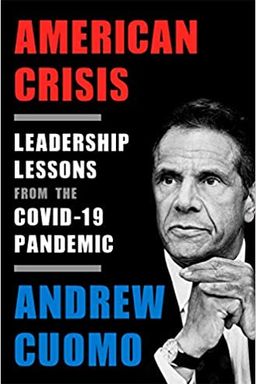
How do you lead when everything around you is falling apart? When panic, politics, and fear conspire to tear society at its seams? In American Crisis, Andrew Cuomo answers that question by recounting how he guided New York through its darkest hour—the COVID-19 pandemic—and by outlining what he believes are fundamental truths about leadership, government competence, and collective action. Cuomo’s central argument is that facing a crisis requires not only bravery but also structure, data, and human solidarity. He insists that leadership matters most when the stakes are life and death, and that real leadership means showing up, telling the truth, and helping people navigate fear with facts.
Cuomo frames his experience as not just a story about a virus, but about the deeper illness afflicting America: the erosion of faith in government and unity. COVID-19, he argues, didn’t just expose weaknesses in public health—it highlighted the failure of federal coordination and the dangerous rise of political division. His book traces how the pandemic became both a test and a mirror for the nation’s character. Through gripping daily briefings, logistical nightmares, and honest reflections, Cuomo makes the case that New York’s crisis management became a model for disciplined, compassionate governance when ideology elsewhere replaced science.
A Governor’s Crucible
From the moment Cuomo received the late-night call confirming New York’s first COVID case on March 1, he knew that the state—and possibly the world—was entering uncharted territory. He describes how instincts honed from years in politics and government shaped his response: act quickly, communicate transparently, and make decisions rooted in data. The book’s early chapters trace how daily briefings became lifelines for anxious citizens. Like FDR’s fireside chats, they offered calm in chaos. He made complicated science trustworthy through empathy, humor, and conviction, using plainspoken phrases like “deep breath time” and “facts over fear.”
The story unfolds chronologically, following a day-by-day narrative of escalating numbers, lockdown orders, and coordination failures between federal and state agencies. Cuomo juxtaposes his pragmatic “get it done” attitude with what he saw as federal denial under President Trump, painting a sharp contrast between leadership styles: the data-driven governor versus the impulsive president. Throughout, he positions New York’s tragedy and triumph as proof that disciplined government can save lives even when national politics threaten unity.
The Deeper Argument: Government as an Art Form
Underlying the narrative is a philosophical thread: Cuomo’s belief that “good government” is not bureaucracy but a moral and operational art form. He argues that democracy depends on competence—the ability to turn aspiration into execution. Politicians, he observes, often talk a good game but rarely deliver results. His father, former Governor Mario Cuomo, taught him that speeches alone don’t build bridges or save lives. By integrating personal reflections and historical echoes—from Lincoln to Churchill—Cuomo elevates management to moral leadership. He contrasts this ethos with what he sees as years of governmental decay: the slow decline of faith in institutions, exacerbated by partisanship and cheap populism.
Cuomo’s experience reveals that effectiveness in crisis isn’t just about policy—it’s about trust. New Yorkers followed restrictions because they believed him. Communication built credibility; credibility created compliance. Through repetition, consistency, and evidence, he turned daily television briefings into a national ritual—part data, part therapy. His mantra, “If you want people to act, give them the truth,” underscores the psychological wisdom behind effective public leadership.
Beyond COVID: Lessons for the Future
While much of American Crisis recounts the mechanics of managing hospitals, ventilators, and testing labs, its final chapters look beyond the pandemic to a “blueprint” for rebuilding America. Cuomo insists that crises reveal character—and the crisis of competence exposed the urgent need for reform in health care, education, and civic unity. He calls for depoliticizing public health agencies, modernizing data systems, and restoring trust in expertise. He frames these recommendations as acts of patriotism: while thousands had died, their loss would be in vain only if America failed to learn.
Ultimately, Cuomo’s book is a conversation about resilience. It reminds you that leadership is not about authority but responsibility, and that progress demands both empathy and execution. It shows that citizens, not politicians, bend the curve—that unity and discipline can defeat fear. As he concludes in his closing address, “Love wins.” In that simple declaration lies the lesson he wants the nation to remember: facts are power, truth builds trust, and collective compassion is the strongest medicine.