
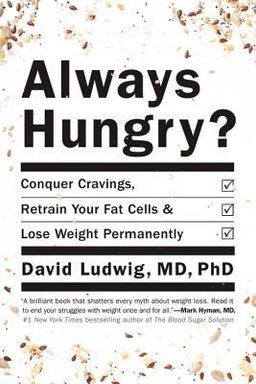
Always Hungry cover

Always Hungry

by Dr David Ludwig

Always Hungry? by Dr. David Ludwig dispels common dieting myths and presents a groundbreaking approach to weight loss. Learn how to retrain your fat cells, conquer cravings, and enjoy delicious, real food while achieving sustainable health and weight management.

Rethinking Weight: From Calories to Biology

Why do some people stay hungry no matter how carefully they count calories? In Always Hungry?, Dr. David Ludwig argues that obesity is not a simple arithmetic imbalance between calories consumed and burned, but a biological disorder centered in the fat cell. The book’s central message is radical yet intuitive: your fat cells—not your willpower—control your hunger, metabolism, and long-term weight. By changing what you eat, not just how much, you can retrain those fat cells to release stored calories instead of hoarding them.

Ludwig’s framework overturns decades of diet advice. Instead of starvation and calorie counting, he teaches you to focus on the hormones and metabolic signals that govern whether your body stores or burns energy. The key culprit is excessive insulin secretion triggered by processed carbohydrates. By reducing those foods and amplifying quality fats and proteins, you can lower insulin levels, calm hunger, and make lasting weight control effortless.

The Fat Cell as Energy Gatekeeper

Traditional calorie math says that if you eat 500 fewer calories each day, you will lose a pound per week. Yet research, and Ludwig’s clinical experience, show that severe restriction merely triggers starvation responses: hunger increases and metabolism slows. That’s because when insulin runs high, fat cells act like greedy accountants. They pull calories from the bloodstream, lock them away, and make the rest of the body think it’s starving—even when you’re technically overfed.

When you lower insulin levels, however, the opposite occurs. Fat cells loosen their grip, releasing stored energy back into circulation. Hunger fades, metabolism normalizes, and you can lose weight without feeling deprived. Ludwig calls this flipping the switch from fat storage to fat release. It’s the biological reboot that makes sustainable weight loss possible.

Key insight

“Don’t wage war against your appetite—change the conditions that made it overactive.” By aligning your diet with your hormones, you end the internal conflict between biology and willpower.

Insulin: The Fat Cell Fertilizer

Insulin acts as the master regulator of storage. Every time you eat highly processed carbohydrates—white bread, pasta, sugary snacks—insulin levels surge. That surge locks fat away and sets off a hormonal cascade that lowers blood sugar too sharply afterward, producing fatigue and cravings. Ludwig cites studies where people burned roughly 325 more calories daily eating a lower-carbohydrate diet versus a low-fat one containing the same calories. This finding alone undermines the calories-in/calories-out dogma.

In clinical pilots, participants who replaced refined carbs with healthy fats (nuts, olive oil, avocado, full-fat yogurt) reported losing weight without hunger. One study participant, Lisa K., called it “the first plan that made my body cooperate.” Ludwig’s own experience mirrored that: by cutting starches and doubling healthy fat, he lost 20 pounds without effort or obsession.

The Biology of Craving

Through meal experiments, Ludwig shows how processed carbs hijack hunger. Teen boys given instant oatmeal ate 650 more calories later in the day than when they had steel-cut oats, and brain imaging after fast-acting milkshakes lit up the nucleus accumbens—the craving center associated with addiction. In rats, identical-calorie diets caused major differences: fast-digesting starch produced 70% more body fat than slow starch. These results reinforce that the type of calories matters far more than the count.

From Calorie Control to Fat-Cell Reprogramming

The revolutionary takeaway is that fat is not a passive depot but a dynamic endocrine organ. Its behavior can be changed with food quality, not hunger games. By emphasizing slow-digesting carbs, healthy fats, and whole proteins, you signal your fat cells to behave like energy allies instead of energy thieves. This biological cooperation dismantles the feast-famine cycle behind yo-yo dieting.

The rest of Ludwig’s book translates this biological model into an actionable, three-phase plan. You’ll learn how to conquer cravings in two weeks, retrain your metabolism for lasting loss, and personalize your nutrition for your unique insulin response. Alongside food, you’ll use sleep, stress reduction, and movement to amplify results. The message is both scientific and hopeful: you can stop being “always hungry” once you stop fighting your fat cells and start teaching them to work for you.


Processed Foods and the Insulin Trap

Processed carbohydrates sit at the center of Ludwig’s argument about why modern eating leads to metabolic chaos. They act like biochemical booby traps—driving insulin so high that fat cells grab all your calories, leaving the brain confused and hungry again too soon. Understanding this mechanism helps you stop blaming yourself for hunger and instead change the foods that provoke it.

The Glycemic Pendulum

Foods differ dramatically in how fast they raise blood sugar. Ludwig explains glycemic index (GI) and load (GL) as shorthand for these effects. A white potato spikes glucose and insulin sharply, while lentils or fruit release sugars slowly thanks to intact fibers and cell structures. These distinctions account for how the same calories can provoke hunger or steady energy. Low-GI foods help avoid the post-meal sugar crash that often masquerades as an emotional craving.

Evidence from Human and Animal Studies

Ludwig presents experimental evidence that processed carbs directly affect both metabolism and brain reward circuitry. In adolescents, a high-GI breakfast caused greater adrenaline and 600 extra calories consumed later. fMRI scans of adults shown identical-nutrient milkshakes showed that those made with corn syrup triggered intense reward activation. Even rats on equal-calorie diets gained 70% more fat from fast-digesting starch than slow-digesting beans. The conclusion: food texture and processing powerfully determine how calories are used or stored.

Takeaway

"When you control your insulin, you control your hunger." Avoiding ultraprocessed grains and sugars means fewer cravings, steadier energy, and easier access to stored body fat.

Practical Implications on Your Plate

  • Favor intact, slow carbs like quinoa, steel-cut oats, legumes, and whole fruits over flour-based or fried foods.
  • Replace sugary snacks with nuts or full-fat dairy; these blunt insulin spikes quickly.
  • Reintroduce processed carbs gradually in Phase 3 using Daily Tracker data, not guesswork.

By recognizing that processed carb–induced insulin surges are the engine behind overeating, Ludwig reframes willpower failures as biological feedback loops. The fix begins not in restraint but in food design—choose meals that keep hormones calm and energy steady.


Fats, Proteins, and Food Quality

While conventional diets demonize fat, Ludwig restores it to its rightful place as a metabolic ally. The type of fat, not its mere presence, determines whether it helps or harms. Combining healthy fats with balanced protein moderates insulin, improves satiety, and primes fat cells to release energy rather than store it.

Not All Fats Are Equal

Ludwig distinguishes clearly among fats. Trans fats are toxic; saturated fats raise LDL and HDL; monounsaturated and polyunsaturated fats—found in olive oil, nuts, and fish—reduce inflammation and improve cardiovascular markers. He draws on controlled trials showing that polyunsaturated fats can even preserve lean mass during weight loss. Critics of low-fat diets will find vindication here: fat increases flavor, satisfaction, and metabolic efficiency.

Protein as Hormonal Balance

Protein does more than build muscle. It triggers glucagon, a hormone that opposes insulin by mobilizing stored fuel. With about 25% of calories from protein in the first two phases, Ludwig ensures you stay satiated without overwhelming the liver. The balance of fats and proteins prevents post-meal crashes and supports steady energy release.

  • Use nuts, avocados, and olive oil liberally; they smooth appetite fluctuations.
  • Enjoy whole, minimally processed proteins. Vegetarian options such as tempeh and tofu work seamlessly.
  • Avoid industrial seed oils and replace them with natural fats like coconut or butter in modest amounts.

In Ludwig’s words

"Fat isn’t the enemy; it’s the fuel that lets you stop feeling hungry all the time."

By reintroducing high-quality fats and whole proteins, you counteract decades of misinformation and harness biochemical satiety. Many participants saw lipids improve even while eating more fat—a reminder that metabolic health depends on quality, not deprivation.


The Always Hungry Three-Phase Plan

Ludwig’s science culminates in a practical, three-phase plan designed to calm hunger, retrain fat cells, and personalize eating for long-term maintenance. Each phase builds biological stability first, then variety. You eat to satisfaction, never starvation.

Phase 1: Conquer Cravings

In two weeks you remove grains, potatoes, and added sugars, relying on 50% fat, 25% protein, 25% carbohydrate from low-glycemic vegetables and legumes. This “boot camp for fat cells” quickly lowers insulin and ends the addiction-like pull of sugar. Pilot participants reported rapid changes in energy and taste preferences—foods like doughnuts suddenly felt too sweet. Example meals include Huevos Rancheros and Coconut Curry Shrimp, proving that richness can coexist with control.

Phase 2: Retrain Fat Cells

After cravings fade, Phase 2 reintroduces whole-kernel grains and starchy vegetables gradually. With about 40% fat, 25% protein, and 35% carbohydrate, this phase focuses on metabolic adaptation. The book’s weekly prep tools—sauces, roasted nuts, and make-ahead soups—make adherence realistic. Many lost weight steadily here while gaining energy and improved mood.

Phase 3: Personalize Maintenance

Phase 3 is flexible maintenance, shifting near 40% carbs, 40% fat, and 20% protein. You reintroduce processed foods experimentally, tracking responses using the Daily Tracker. If hunger or weight rebounds, revert briefly to an earlier phase. This feedback model replaces rigid dieting with individualized learning.

Practical philosophy

You eat according to biology, not ideology. Instead of blaming discipline, you measure progress with internal cues—hunger, energy, and emotional steadiness.

Together the three phases form a rhythm of correction, calibration, and customization. They show that the solution to being "always hungry" isn’t eating less—it’s eating smarter.


Personalization and the Insulin-30 Key

No two metabolisms behave the same. Ludwig’s research into the biomarker Insulin-30—insulin measured half an hour after a glucose load—offers a scientific lens for tailoring diets. People who secrete insulin rapidly gain more on high-carbohydrate diets but lose more on low–glycemic load plans. Knowing your type helps you skip trial and error.

Data-Driven Personal Nutrition

High early insulin responders fare best with fewer fast carbs. In an eighteen-month trial, they lost 10 more pounds on a low-GL diet than peers on low-fat diets. For slow insulin responders, either style worked. This explains why standard advice fails some people while others thrive—it ignores metabolic individuality.

Applying the Idea

If you can, request the glucose tolerance test measuring insulin at 30 minutes. A high reading suggests starting with lower-GI eating. If not, use self-experimentation: follow Phase 1 and 2, then reintroduce processed carbs while logging hunger, energy, and cravings. If they spike, shift back. Using data from the Daily Tracker instead of emotion converts subjective struggles into objective learning.

Shifting Your Set Point

Insulin-30 isn’t fixed—it can improve after only four weeks of lower-carb eating. As your insulin response calms, your flexibility in Phase 3 grows. The goal isn’t permanent restriction but expanding metabolic freedom over time.

(Note: This approach echoes recent “precision nutrition” movements in research, which also use biomarkers to match diet to biology.)

By listening to both lab data and how you feel, you move from dieting to self-discovery. Your body becomes your own feedback lab.


Life Supports: Sleep, Stress, and Movement

Food alone is not enough. Ludwig integrates sleep hygiene, stress reduction, and joyful movement as core amplifiers of metabolic health. When you sleep better, move gently after meals, and calm chronic stress, hormones like insulin and cortisol stabilize—allowing fat cells to cooperate rather than resist.

Sleep: The Metabolic Reset

Inadequate sleep increases insulin resistance and hunger. Ludwig’s “Bedroom Cleanout” prescribes practical fixes: darken rooms, cool temperature, remove screens, create pre-bed rituals. Participants found that even 30 more minutes of sleep improved cravings and mood. Scientific studies confirm that four nights of sleep loss can impair fat-cell insulin sensitivity by over 30%.

Movement: The Passeggiata Principle

Rather than punishing workouts, Ludwig promotes enjoyable, post-meal movement—the Italian-style passeggiata. A 15‑minute walk after dinner lowers glucose spikes, supports digestion, and promotes consistency. In later phases, gentle strength and aerobic habits preserve lean mass, which enhances metabolic rate.

Stress: The Five-Minute Reset

High stress raises cortisol and drives emotional eating. Ludwig’s five-minute nightly relaxation routine (breathing, muscle release, or mindfulness) lowers physiological resistance to fat loss. As participants like Karen L. discovered, combining the program with regular stress management improved both mood and physical results, sometimes reducing medication needs.

When diet, sleep, movement, and stress management align, you gain metabolic harmony. They form the invisible scaffolding that makes biology easy to live with.


The Gut Microbiome Connection

Behind every metabolism lives a microbial ecosystem. Ludwig discusses how your gut microbiome affects inflammation, insulin sensitivity, and even mood. A diverse microbiota acts like a metabolic partner; a depleted one amplifies cravings and fat storage. Encouraging the right microbes may be as powerful as changing macronutrients.

Microbes and Metabolism

Studies swapping gut bacteria between obese and lean mice showed that the microbiome alone can drive fat gain. Even human trials tie low microbial diversity to insulin resistance. Cultivating beneficial microbes reduces systemic inflammation—a root cause of metabolic disease.

Feeding the Good Guys

  • Eat prebiotics: fiber-rich plants, legumes, vegetables.
  • Include probiotics: live-culture yogurt, kefir, kimchi.
  • Enjoy polyphenols: berries, dark chocolate, and spices that favor good strains.

Avoid emulsifiers and additives that damage the gut barrier, such as polysorbate-80 or carboxymethylcellulose, common in ultraprocessed foods. Whole-food eating naturally limits these exposures.

Gut-Brain Synergy

Pilot subjects reported better mood and cognition alongside weight loss, supporting evidence for a gut–brain axis: less inflammation, clearer mind.

By tending your microbiome—through high-fiber, minimally processed, additive-free meals—you reinforce every aspect of Ludwig’s fat-cell reset. A healthy gut is both a metabolic stabilizer and an emotional amplifier.


Troubleshooting and Realistic Maintenance

Despite structure and evidence, plateaus happen. Ludwig outlines pragmatic troubleshooting steps grounded in biology rather than guilt. You examine variables—carb sensitivity, lean mass, stress, sleep, alcohol—and adjust one at a time. This diagnostic mindset turns frustration into learning.

Six Diagnostic Questions

  • Are you too carb-sensitive? If grains or starches revive cravings, drop them temporarily and raise healthy fats.
  • Are you tuning in to true hunger? Practice the five‑hour rule and mindful eating.
  • Do you need more lean mass? Add resistance training.
  • Is sleep or stress sabotaging progress? Repair routines and double your relaxation sessions.
  • Could medical issues like thyroid dysfunction be barriers? Seek professional evaluation.
  • Is your goal realistic? Health markers may improve even if the scale stalls.

Case Example

When participant Matthew F. faced sudden hunger on errands, his if-then plan (“If starving, buy almonds and an apple”) prevented relapse—a model for strategic foresight.

This structured reflection embodies Ludwig’s philosophy: your body communicates through data, not moral judgment. Plateaus are feedback, not failure.


Food Policy and the Bigger Picture

In the epilogue, Ludwig zooms out from individual biology to collective responsibility. He argues that America’s food supply—dominated by subsidized grains and sugary products—predisposes citizens to obesity and chronic disease. Personal change can’t flourish in a toxic environment; policy must realign incentives so healthy foods become the easier choice.

Structural Causes of Hunger and Obesity

Commodity agriculture, misleading advertising, and underfunded school nutrition create an environment in which “junk calories are cheap and abundant.” Ludwig links this to rising healthcare costs and national productivity loss. Industry lobbying often shapes guidelines and resists taxes on sugary beverages—proof that systemic reform is vital.

A Ten‑Point Public Health Plan

  • Establish independent food policy and nutrition commissions.
  • Shift subsidies from corn and wheat toward produce.
  • Regulate advertising to children and reduce conflicts of interest in research.
  • Fund higher-quality school meals and physical education.
  • Create restaurant and market models that make whole-food meals accessible.

Civic Call

"Vote with your fork," Ludwig concludes—every purchase signals market demand. But also, vote for leaders who prioritize public health over industry lobbying.

By connecting metabolism to policy, Ludwig reminds readers that being “always hungry” is not just an individual fate—it’s the predictable outcome of national choices. Reforming the food environment is the ultimate act of prevention.

Dig Deeper

Get personalized prompts to apply these lessons to your life and deepen your understanding.

Go Deeper

Get the Full Experience

Download Insight Books for AI-powered reflections, quizzes, and more.