
Idea 1
The Power of Storytelling in Modern Marketing
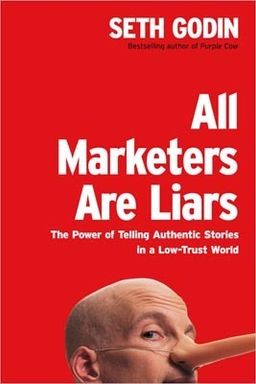
Why do you buy what you buy? Is it because of the facts—the measurable specs, features, and data—or because of how the product makes you feel? In All Marketers Are Liars, Seth Godin argues that people don’t buy products or services; they buy stories. These stories, when told well and believed deeply, create meaning, identity, and emotion. In essence, all marketers are storytellers—those who thrive tell stories that people want to believe, while those who lie merely manipulate and eventually lose trust.
Godin contends that successful marketing is rooted not in facts but in authentic storytelling. A great story resonates with a specific worldview—the mental lens through which people see the world. That’s why not everyone loves the same brands, cars, or political candidates: they don’t just buy the same story. This is not deception; as Godin repeatedly emphasizes, it’s about telling a story that becomes true because you live it and your audience believes it enough to make it real.
What Makes Stories Work
Before marketing existed as a profession, humans told stories to make sense of the world—about gods, stars, illness, and morality. Godin explains that storytelling remains the only universal human operating system. In today’s overloaded information environment, consumers are awash in data but starving for emotional coherence. Stories simplify complexity and help people decide what to trust. Therefore, storytelling isn’t a side effect of marketing—it is marketing.
From wine glasses to sneakers, Godin shows how perception creates reality. Georg Riedel’s expensive wine glasses, for instance, were proven through blind tests to make no difference to taste. Yet enthusiasts swear they make wine taste better. Why? Because they’ve been told a story about craftsmanship and sensory experience—and their belief alters their perception. Marketing makes wine taste better because the story tells you it does.
Stories Align with Worldviews
At the heart of Godin’s thesis lies the idea of the worldview. Everyone sees reality through filters shaped by upbringing, experience, and emotion. These filters decide which stories feel believable. Marketers fail when they try to change someone’s worldview with facts. They succeed when they find a subset of people whose worldview already aligns with their story and frame it accordingly. Starbucks didn’t invent coffee culture—it told a story about belonging and sophistication to people primed to believe it. Likewise, Tom’s of Maine turned toothpaste into a moral choice for health-conscious consumers by aligning with their bias toward natural living.
The Truth About ‘Lies’
Despite its provocative title, the book is ultimately ethical. Godin insists that authenticity is non-negotiable. The best stories are “true” not because they’re made of verifiable facts but because they remain internally consistent and lived sincerely by their creators. Fraudulent stories—like Nestlé’s unethical promotion of baby formula in developing nations—damage trust, causing long-term harm. Authentic fibs (like Riedel’s wine glass story or Kiehl’s humble-apothecary brand) enhance experience without deceit. The line between fib and fraud lies in intent and consequence: does the story make life better for those who believe it?
A New Definition of Marketing
Marketing, Godin says, isn’t just about selling products or buying ad space—it’s about spreading ideas. This applies as much to nonprofit causes, religious movements, and political campaigns as it does to sneakers or tech gadgets. He contrasts the “Golden Age of Advertising”—when money could buy mass attention through TV—with the new reality, in which consumers are skeptical and overloaded. The only way to stand out is through remarkable authenticity—what he previously called the Purple Cow strategy. Your product must embody a story so compelling that people can’t help but share it.
Why It Matters Now
In an age of social media and watchdog blogs, falsehoods unravel in hours. That’s why honest storytelling isn’t just morally right—it’s strategically smart. People crave meaning and connection, and they reward brands, leaders, and creators who live their story out loud. The implications go beyond business: whether you’re applying for a job, running a campaign, or launching a nonprofit, your success depends on framing a believable story that matches your listeners’ worldview and provides emotional truth. Facts inform us, but stories transform us.
“The story you tell is the product,” Godin writes. “All marketers are storytellers. Only the losers are liars.”
Throughout this summary, you’ll explore the core principles of believable storytelling: understanding worldviews, mastering first impressions, embracing authenticity, avoiding fraudulent lies, and framing stories that spread. You’ll also see how these lessons apply to politics, nonprofits, and global brands. Ultimately, Godin’s message is about responsibility as much as persuasion: you have the power to shape perceptions—so use it to tell stories worth believing.