
Idea 1
How Algorithms Rewire Language
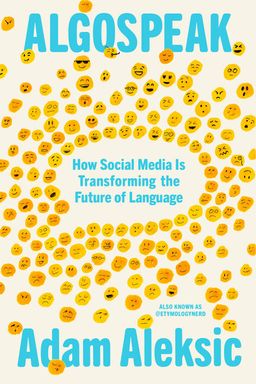
When was the last time you said or typed a word because you knew an app would treat it better—writing “unalive,” “seggs,” or even 🍆 instead of the literal term? In Algospeak, linguist and creator Adam Aleksic argues that this is not a side story of the internet; it is the story of modern English. Algorithms don’t just moderate a few taboo words. They shape which words are born, who hears them, how fast they spread, what tone we adopt, and even the way our voices sound on camera. Aleksic contends that we’ve crossed a new inflection point in the history of communication (after writing, print, and the early web): the era of personalized, short‑form video—and it’s transforming language in real time.
Across TikTok, Reels, Shorts, and their lookalikes, algorithms privilege content that maximizes attention and engagement. That incentive structure triggers a cascade of linguistic consequences: euphemistic work‑arounds (“unalive”), meme‑accelerated slang (rizz, sigma, skibidi), creator “influencer accents” optimized for retention, and niche fanilects that flourish inside filter bubbles (Swifties, K‑pop). Meanwhile, commerce colonizes vocabulary through microlabels and SEO‑ish tags (cottagecore, goblincore, preppy), and controversial ideas hitchhike into the mainstream through irony (incel jargon like mewing and looksmaxxing).
What This Book Asks You to Notice
Aleksic invites you to zoom out: rather than blaming “kids these days,” look at the machinery. Why does a museum placard for Kurt Cobain saying “unalived himself” feel jarring? Because a term minted to evade algorithmic flags slipped into a sacred offline space. Why does “no because—” grab your ear? Because it’s a discourse marker that creators learned keeps you from scrolling. Why do so many creators sound the same? Because uptalk, emphatic prosody, and zero‑silence openings (“Gen Z shake”) reliably hold the floor.
The Core Argument in One Line
Algorithms no longer just sort language; they co‑produce it. Words, memes, and metadata have merged into a single pipeline where human needs (to euphemize, belong, joke, sell) meet machine priorities (to predict, personalize, optimize). The result is what Aleksic calls an emergent system: neither purely human nor purely technical, but a feedback loop that births new vocabularies, spreads them at viral speed, and engrains them through habit, performance, and commerce.
What You’ll Learn in This Summary
You’ll see how censorship games create linguistic Whac‑A‑Mole (chapter 1), how memes and metadata propel slang from joke to norm (chapter 2), and how the attention economy scripts your hooks, emotions, and even your sentence structure (chapter 3). You’ll hear why “influencer accents” are real—lifestyle, entertainment (MrBeast), and educational—and how they became prestige dialects online (chapter 4). You’ll step inside filter bubbles where fanilects bloom (Swifties, K‑pop), then spill out through context collapse, engagement‑maximization, and misinformation dynamics (chapter 5). You’ll track how incel language traveled from 4chan to mainstream satire to subtle normalization (chapter 6), and how AAE and ballroom slang (“slay,” “tea,” “mother”) got mass‑adopted, often without credit, through hood‑irony memes and corporate trendbait (chapter 7).
You’ll also watch commerce lace itself into vocabulary via aesthetics and microlabels (“-core” culture), Spotify‑style microgenres, and platform shops that turn identities into shoppable tags (chapter 8). You’ll see how “generations” (Gen Z vs. millennials) became a meme‑driven identity with its own canon, where language is simplified by Flanderization and lived life becomes “plot,” “eras,” and “POV” (chapter 9). Finally, you’ll look beyond English: Spanish teens calque “unalive” as desvivir; French borrows African slang via rap and social media; ASL compresses for the vertical video frame; and protesters in China invent homophones to outwit censors (chapter 10).
Why This Matters—for You
If you teach, parent, market, moderate, or simply communicate online, these patterns explain the words your students bring to class, why your reels perform (or flop), and how subcultures coalesce or polarize. They also reveal opportunities: euphemisms can open safer mental‑health talk; fanilects can build community; attention‑savvy storytelling can spread civic journalism. And they surface risks: context collapse can pejorize in‑group terms (“acoustic”), irony can mainstream harms (“Oxford study” troll), and engagement optimization can push rage and doom across feeds.
Bottom line
Algospeak isn’t kids breaking language. It’s humans doing what we’ve always done—euphemize death, badge belonging, sell style, joke at the edge—inside a new medium that speeds, amplifies, and commercializes each move. Once you see the loop—human motives ↔ platform incentives—you can work with it instead of just worrying about it.