
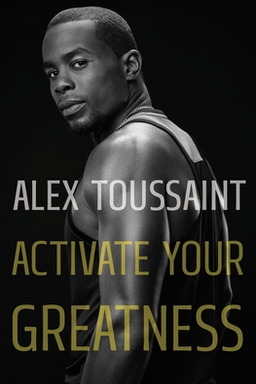
Activate Your Greatness cover

Activate Your Greatness

by Alex Toussaint

Activate Your Greatness unveils Alex Toussaint''s inspiring journey of resilience and growth. Through tales of overcoming adversity, Alex provides a roadmap to turn life''s challenges into opportunities for personal and collective success, urging readers to embrace authenticity and self-belief.

Activating Your Inner Greatness

What would happen if you believed—truly believed—that greatness was already inside you? In Activate Your Greatness, Peloton instructor Alex Toussaint argues that you don’t need to find purpose somewhere out there; you simply need to uncover the power you already possess. Toussaint contends that real transformation happens when you channel your pain into power, align your mind and body, and turn self-belief into service for others. But that journey isn’t passive. It demands hustle, resilience, discipline, and compassion—the same tools that helped him rise from his lowest moments to teach millions worldwide.

Drawing on his turbulent childhood, military school experiences, personal failures, and eventual redemption through fitness, Toussaint builds a framework for personal mastery that begins with three crucial steps: Feel Good, Look Good, and Do Better. Each step is a stage of the climb up the metaphorical mountain of greatness. He reminds you that greatness isn’t abstract—it’s what happens when you face negativity and choose growth instead of surrender.

The Mountain as a Metaphor

For Toussaint, the mountain represents every obstacle, trauma, and challenge that stands between you and your best self. The climb starts at the bottom, where self-doubt and confusion reside, and each upward step is a choice. When you “feel good,” you cultivate gratitude and discipline. When you “look good,” you radiate confidence from the inside out. And when you “do better,” you stop climbing only for yourself—you extend a hand to others and lift your community alongside you.

This metaphor mirrors other transformative frameworks, such as Viktor Frankl’s emphasis on meaning through suffering (Man’s Search for Meaning) and Brené Brown’s call for vulnerability as strength (Daring Greatly), yet Toussaint’s version is grounded in the body. His spin classes aren’t just workouts—they are laboratories for resilience. Each pedal stroke becomes a test of mindset, discipline, and endurance, teaching riders how to translate sweat into confidence.

From Pain to Power

Toussaint’s story begins painfully: at twelve, he’s sent off to a military school described as “hell on earth.” Harsh officers berate him, force him into drills until he collapses, and punish him for the smallest mistakes. That experience, compounded by his father’s illness and emotional distance, crushes his self-worth. Yet he learns a vital truth—pain can break you down or build you up. By reframing hardship as preparation, he transforms punishment into endurance. Later, when cleaning bikes as a janitor—literally scrubbing sweat from the machines that would someday carry his voice—he applies that same mindset, outworking and outlasting his fears. What once destroyed him becomes fuel.

Toussaint challenges you to do the same. Negativity, he writes, is “a formidable opponent,” but it’s also your greatest teacher. When you stop resisting pain and start assigning it a purpose—whether through physical training, disciplined routines, or emotional honesty—you cultivate mental strength that outlasts any external validation.

Turning Hustle into Purpose

Toussaint’s philosophy blends spiritual growth with actionable hustle. Feeling good builds the internal foundation; looking good projects that confidence outward; doing better mobilizes that confidence into service. The progression reflects both personal transformation and social contribution. You don’t climb to the mountaintop so that people can see you, he insists—you climb so that you can see them. Once you’ve found stability within, greatness requires giving back: helping others heal, teaching what you’ve learned, and leaving spaces better than you found them.

The book ties these steps to real-life practice. Through Peloton, Toussaint reaches hundreds of thousands, reminding them mid-ride that success isn’t about numbers or gears—it’s about commitment, focus, and attitude. Each “personal record” on the bike becomes a metaphorical personal record in life. In the same way James Clear connects atomic habits to identity (Atomic Habits), Toussaint connects routine movement to spiritual evolution.

Why This Matters

Activate Your Greatness isn’t a fitness book—it’s a guide for mental, emotional, and spiritual rebirth. Toussaint argues that greatness is an ongoing practice, not a destination. You’ll fail, fall, and doubt yourself, but if you keep moving—pedaling forward metaphorically or literally—you transform everyday effort into lasting excellence. His call to action is universal: stop outsourcing your greatness to others, to likes, or to external validation, and start owning it.

“Subtract your doubt, add your courage, multiply your hustle, and divide your love.” This formula, Toussaint’s own version of Einstein’s equation, encapsulates the book’s essence. Confidence replaces fear; effort multiplies; love spreads.

Ultimately, Toussaint’s journey shows that greatness is not a solitary climb but a communal one. His transformation—from troubled teen to motivational powerhouse—proves that the hardest roads create the strongest legs. The message to you is clear: you already possess everything you need to rise. You just have to start pedaling.


Feel Good: Building Inner Strength

Toussaint begins his climb with the first step: Feel Good. Feeling good, he insists, isn’t cosmetic—it’s foundational. You can’t transform your body or your life until you transform how you feel about yourself. That means finding gratitude, developing resilience, and preparing to fail with grace.

Gratitude as Fuel

When Toussaint wakes up, the first words he whispers aren’t complaints or goals—they’re expressions of thanks. He’s grateful he woke up, grateful for his family, grateful for the opportunity to teach. Gratitude shifts perspective, turning scarcity into abundance. This practice echoes thinkers like Shawn Achor (The Happiness Advantage) who link daily gratitude to improved motivation and resilience.

For Toussaint, gratitude began as survival. Growing up in a Haitian immigrant household where his parents demanded excellence, he internalized their hard work and optimism. His mother taught him to be prepared for opportunity, always dressed and ready. Over time, he realized these rituals weren’t vanity—they were acts of self-respect. Feeling good starts when you claim your worth, even in small morning habits.

Preparing to Fail

Toussaint’s mantra, borrowed from his father’s military training, is simple: If you fail to prepare, prepare to fail. But he pushes it further. Failure isn’t fatal—it’s educational. When you prepare sincerely, every failure becomes a stepping-stone instead of a setback. Failing without preparation, by contrast, just reinforces bad habits. He gives the example of his basketball career. As a teenager, he played with bravado but avoided hard practice, afraid that effort might expose his flaws. Only later did he see that preparation is what separates learning from losing. Like athletes such as LeBron James or A’Ja Wilson, true growth comes when you keep showing up—even after missed shots.

Pain into Power

Military school and his fractured relationship with his father taught Toussaint an uncomfortable lesson: pain is inevitable, but paralysis is optional. Instead of repressing negative emotions, you can process them and assign them a purpose. He calls this turning pain into power. During his punishment marches, he learned to focus on breathing, cadence, and repetition. That meditative focus developed the resilience he would later use in his classes and life. He still tells riders, “Inhale your confidence, exhale your doubt,” transforming breath into affirmation.

This reorientation mirrors Stoic philosophy (as in Marcus Aurelius’s Meditations): obstacles become opportunities. When you stop fighting discomfort, you discover clarity within chaos. Toussaint’s insistence that life “ain’t day care” reminds us that growth involves friction. He invites you to face it head-on, confident that resistance strengthens both mind and muscle.

Presence and Discipline

Feeling good also requires daily discipline to center yourself. Toussaint advises taking quiet minutes each morning to check your “vibe”—to name your feelings, good or bad, and release negativity through breath or action. He pairs this with his “48-hour rule”: when big problems arise, give yourself two days to process emotions before making decisions. It’s structured empathy—a balance between reaction and reflection.

Ultimately, “feeling good” is spiritual fitness. You start by forgiving your past self, honoring what you’ve endured, and training your mindset as diligently as you train your body. Toussaint’s transformation—from marching alone on a frozen quad to motivating others with warmth and conviction—illustrates what happens when emotional discipline meets gratitude: a foundation strong enough to support every other step up the mountain.


Look Good: Radiating Confidence From Within

Looking good, for Toussaint, is never about clothes, hair, or physical shape—it’s about alignment. Once you feel good, you begin to radiate a visible energy that others immediately perceive. It’s that glow people notice before anything else. It’s authenticity turned outward.

The Mirror Test

Toussaint remembers staring into mirrors as a teenager, hating the person who looked back. He hid insecurity behind designer clothes, fresh haircuts, and bravado. Now he teaches a different mirror ritual: instead of asking how you appear, ask who you are becoming. He encourages riders to declare, “I am, I can, I will, I do”—a mantra his colleague Christine D’Ercole shared that reframes the image from surface to soul.

He explains that internal beauty comes from action, not aesthetics. When he finally earned his chance to instruct at Flywheel after years as a janitor, his confidence came not from approval but from preparation. That first class showed him that self-trust looks better than any outfit. After years of self-doubt, his smile in that spotlight was the real glow.

Discipline Over Distraction

The transition from feeling good to looking good can be fragile. Toussaint warns against what he calls “relief syndrome”: once we escape pain, we relax too soon. Distractions—ego, comfort, success—can knock us backward. His antidote is discipline. Borrowing from military drills, he reminds you to “move with purpose, execute with intention.” He makes his bed precisely each morning, echoing Admiral McRaven’s famous advice that small victories create momentum. These rituals keep the inner light stable amid chaos.

To protect your energy, he introduces the idea of a “starting five”—your five daily priorities, as if you’re coaching a basketball team. Each day’s lineup shifts—family, health, work, faith, rest—but by naming them, you consciously direct attention. This technique transforms self-awareness into visible confidence. People who manage their focus look grounded; they radiate control.

Authenticity as Style

Toussaint redefines “style” as alignment between what you say, think, and do. At Peloton, he plays unfiltered hip-hop while riding with grace and conviction. Some might question his choice, but he insists authenticity trumps conformity. “Be yourself—let it fly,” Peloton’s founder told him. Being real, not ideal, is the ultimate aesthetic. He compares this to Mel Robbins’s advice that showing up as your authentic self beats any performance of perfection.

“The toughest job in the world is being fake.” Toussaint writes, reminding readers that pretending drains us. Authenticity energizes us. When you’re genuine, discipline turns into charisma.

Looking good, then, is outward evidence of inner order. It’s the visible side of mental and emotional wellness. In every Peloton class or moment of daily life, Toussaint teaches that glow is contagious. The rider who shines not only uplifts the room but creates a ripple effect—helping others find their own light. In his world, confidence isn’t self-centered; it’s communal. That’s the real definition of looking good.


Do Better: From Self-Mastery to Service

Toussaint’s third stage, Do Better, is the summit of his philosophy. It’s the point where self-improvement transitions into contribution. When you’ve built inner strength and radiated outer confidence, it’s time to reach down and lift others. The goal isn’t applause—it’s impact.

Seeing the Light in Others

Toussaint explains that the ultimate measure of greatness is how well you spread it. Every climb should lead to connection: “We don’t reach the mountaintop so others can see us. We reach it so we can see them.” His Peloton classes simulate this through teamwork—each rider contributes to a shared momentum, echoing the racing term peloton, meaning a group moving as one. This metaphor encompasses families, communities, and workplaces: true progress happens together.

He shares stories of his angels—teachers, mentors, and friends like Ms. Verde, Coach Hartwell, and Ruth Zukerman—who saw greatness in him before he could. Their kindness transformed his despair into motivation. Having benefited from their guidance, he founded the Do Better Foundation to pay it forward, promoting access to wellness and education. This expansion—from self-help to societal help—illustrates his creed that love multiplies when divided.

Curiosity, Awareness, and Rebellion

Doing better requires evolving key traits: curiosity to keep learning, awareness to understand others, and rebellion to challenge complacency. Toussaint describes curiosity as the engine of empathy—asking “why is it this way?” and exploring solutions, like shifting his foundation from short-term aid to long-term empowerment. Awareness is social mindfulness, noticing blind spots and injustices around us. Rebellion is courage—the willingness to go against the grain, as he did when redefining leadership through vulnerability and service.

This triad mirrors themes from Adam Grant’s Think Again and Simon Sinek’s Start with Why: curiosity fuels reinvention, awareness fosters trust, and rebellion inspires change. Toussaint’s version feels lived, not theoretical—it’s sweat-tested and heart-proven.

From Hustle to Humanity

The “Do Better” mindset turns hustle into humanity. Toussaint recounts using his Peloton platform to address racial injustice after George Floyd’s death. His emotional message—“My life is not a trend. Do better.”—revealed that true leadership means speaking uncomfortable truths. He risked backlash but gained solidarity. Peloton later committed millions to social equity initiatives, confirming his belief that courageous authenticity sparks broader transformation.

“It’s not about me. It’s about we.” Toussaint’s mantra reframes success as collective elevation. When you pour from a full cup, others drink—and together, the cycle of growth continues.

Ultimately, doing better is Toussaint’s definition of greatness in action. It’s what happens when discipline meets compassion, when self-belief extends beyond self-interest, and when your story becomes someone else’s inspiration. His climb up the mountain ends with one simple act: reaching back down with open arms, ready to help another person rise.

Dig Deeper

Get personalized prompts to apply these lessons to your life and deepen your understanding.

Go Deeper

Get the Full Experience

Download Insight Books for AI-powered reflections, quizzes, and more.