
Idea 1
Accounting as the Language of Business and Decision-Making
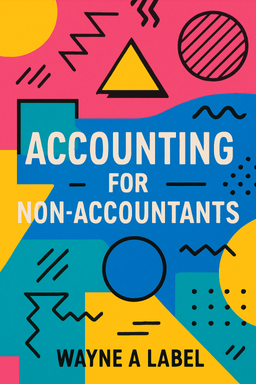
Have you ever wondered why some businesses thrive while others fail—even when they seem to have good products and passionate founders? In Accounting for Non-Accountants, Wayne Label argues that the difference often comes down to one critical skill: understanding accounting, the language of business. Label contends that without fluency in this language, entrepreneurs, managers, and even individuals are operating half-blind when making financial decisions. Accounting, in his view, is not just about numbers—it’s a decision-making tool that reveals the story behind every dollar earned or spent.
Label positions accounting as the universal method businesses use to communicate their performance, much like how English might serve as the lingua franca between international traders. He insists that comprehending accounting principles empowers you to evaluate opportunities, measure performance, and plan intelligently. Even if you never intend to become an accountant, mastering these basics helps you make smarter choices about investments, loans, and growth strategies.
The Purpose and Scope of Accounting
Accounting’s core purpose, Label explains, is to provide systematic information about financial activities that aids decision-making. It transforms raw data—sales receipts, bills, and payroll records—into financial statements that summarize a company’s health. He distinguishes between bookkeeping, which involves recording transactions, and accounting, which interprets and analyzes those transactions to inform leaders. This distinction helps readers see that accounting isn’t just “math with money,” but a structured way of thinking about cause and effect in an organization’s finances.
Why Accounting Matters to Everyone
Who uses accounting? Essentially, everyone—from bankers ensuring loan repayments to governments setting tax policies to individuals managing their budgets. In your personal life, the principles of accounting can guide decisions about mortgages, car loans, or stock investments. In business, accurate accounting helps you forecast cash needs, compare budget to reality, and pinpoint where profits (or losses) come from. Label illustrates this with the fictional Solana Beach Bicycle Company, a small entrepreneurial venture whose journey forms the teaching backbone of the book. Through its example, he shows how understanding accounting leads directly to better business decisions.
The Core Financial Statements
To learn accounting, you must master four essential financial statements. The Balance Sheet provides a snapshot of what a company owns (assets) and owes (liabilities) at a particular moment. The Income Statement details revenue, expenses, and resulting profit or loss over a specific period. The Statement of Cash Flows explains how cash moves through the business via operations, investments, and financing. Finally, the Statement of Retained Earnings shows how profits are reinvested or distributed. Label emphasizes that these statements are interdependent—what happens in one reflects in the others. This interconnectedness mirrors how companies operate: sales decisions affect production costs, which affect cash needs and long-term equity.
A Universal Framework of Rules
At the heart of consistency in accounting are the Generally Accepted Accounting Principles (GAAP). These standardized rules ensure that financial data from one business can be compared with another’s. Label introduces readers to the agencies shaping these principles—like the SEC (Securities and Exchange Commission), FASB (Financial Accounting Standards Board), and the IASB (International Accounting Standards Board)—and explains how globalization is pushing businesses toward common international standards (known as IFRS). For the non-accountant, this helps to demystify why financial statements look the way they do and why professional auditors exist to verify their integrity.
From Numbers to Decisions
One of Label’s core messages is that accounting gains meaning only when it drives decisions. He guides readers through creating a budget (the forward-looking counterpart to financial statements) and illustrates how analyzing ratios helps assess liquidity, profitability, and sustainability. These tools let you answer the most crucial business questions: Do we have enough cash? Are we making a profit? Can we improve efficiency? Do our long-term investments make sense? Label argues that when business owners ignore accounting data, they risk damaging their enterprises—not from bad ideas but from preventable financial mismanagement.
Ethics and the Human Element
Finally, Label explores the ethical and human dimension of accounting. He dedicates significant attention to internal control, fraud prevention, and ethical behavior—arguing that integrity is the foundation of trust in business transactions. Drawing on examples from the real world, he shows how fraud’s combination of pressure, opportunity, and rationalization (what experts call the “fraud triangle”) can destroy enterprises. By setting “tone at the top” and building ethical cultures, owners protect their businesses as much as their bottom lines. In short, Accounting for Non-Accountants teaches you that understanding the language of numbers is not optional—it’s the difference between reacting to your business and controlling its destiny.