
Idea 1
The Everyday Technologies That Built Civilization
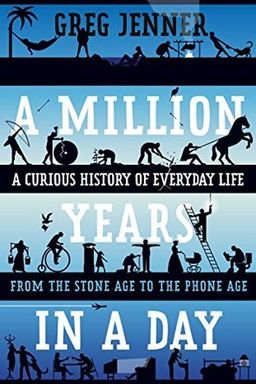
How can you understand human progress not through grand inventions but through the ordinary objects that define daily life? This book argues that civilization was shaped not only by monuments or battles but by the unnoticed technologies surrounding you — clocks, toilets, clothing, beds, utensils. The author contends that each device or habit encapsulates a deep blend of engineering, culture, and psychology. To grasp humanity’s story, you must see how the mundane becomes transformative.
From the first string spun in a Paleolithic cave to the digital alarm waking you today, these inventions structure time, comfort, hygiene and identity. The book traces how such tools emerge, spread, and evolve — why they succeed, when they stall, and how they define social organization. It reads as a panoramic exploration of practical genius and cultural negotiation, showing that progress is rarely linear but always contingent on belief, politics and habit.
Pattern of Progress
You discover a shared pattern: innovation begins pragmatically — solving a local need — then expands through commerce or ritual. Egyptian star clocks arise from temple observation; Harappan toilets stem from urban planning; the fork evolves from hygiene norms. Each adaptation mirrors cultural context more than scientific inevitability. This interplay between need and meaning explains why many genius ideas failed when imposed (like France’s decimal time) but flourished when they fit daily life (like Greenwich Mean Time under railway pressure).
From Survival to Symbolism
Across chapters you see things shifting from survival to symbolism. Clothing begins as insulation but becomes class identification. Baths move from healing ritual to luxury and eventually moral performance. Bread and wine evolve from sustenance to spiritual tokens. Even water closets become instruments of civic pride. Ordinary materials acquire layered meanings that express identity and hierarchy. Essentially, technology tells social stories as much as engineering ones.
Networks and Acceleration
Communication drives tempo: printing presses democratize ideas; telegraphs collapse geography; telephones humanize information. Each leap speeds society’s metabolism — not just knowledge circulation but expectation of immediacy. The author links this acceleration to emotional shifts: the anxiety of lateness, the craving for instant updates, the disappearance of waiting as a social skill. Timekeeping devices turn discipline into infrastructure, transforming work patterns and consciousness.
Hygiene, Health and Urban Miracles
Sanitation, toilets, and baths illustrate a quieter revolution: cleanliness as moral, aesthetic and scientific virtue. You follow Joseph Bazalgette’s sewers responding to London’s Great Stink; Lister and Pasteur’s germ theory redefining dirt; and the industrialization of soap and toothbrushes translating science into daily ritual. Hygiene becomes social engineering — a blend of medicine, economy and class performance.
The Story’s Moral
Ultimately, the book teaches that progress is not only invention but assimilation. Every clock tick, garment seam or meal ritual represents centuries of trial, crisis and compromise. Technology succeeds when it fits the messy texture of human desires and fears. You emerge seeing history not as a parade of geniuses but as a network of millions of anonymous innovators negotiating comfort, cleanliness and connection — the collective authorship of everyday civilization.