
Idea 1
The Power of Initiative: Carrying the Message to Garcia
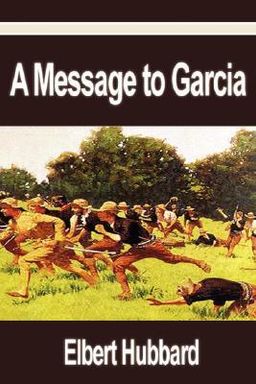
Have you ever faced a moment when someone asked you to do something important—and your first instinct was to ask for more instructions instead of simply getting started? Elbert Hubbard’s A Message to Garcia turns that moment into a timeless lesson about initiative, responsibility, and the value of dependable character. Written in 1899 after a frustrating day with uninspired workers, Hubbard’s essay exploded into global fame because it captures a universal truth: the world moves forward because of people who don’t wait to be told how to act, but simply carry the message.
At its heart, the book tells the story of Lieutenant Andrew Rowan, a real figure from the Spanish-American War. When President McKinley needed to send a message to General García, leader of Cuban insurgents, Rowan didn’t ask where Garcia was, how to find him, or what to do if trouble arose. He took the letter, crossed a hostile island alone, and succeeded. To Hubbard, Rowan’s quiet competence became a symbol of rare, radiant service—the ability to act independently with integrity and courage.
The Heroism of Unquestioning Action
Hubbard argues that it’s not intellectual brilliance, but steadfast reliability that makes someone invaluable. The “man who carries a message to Garcia” doesn’t waste time complaining, doubting, or asking trivial questions. He simply performs. This ethic, Hubbard contends, is what society desperately lacks—too many people hesitate, defer, or question authority to avoid effort. The resulting mediocrity forces employers to rely on supervision, threats, or incentives to push people to act. Hubbard wanted to honor those who take ownership and show initiative, the ones who instinctively say, “I’ll do it,” and follow through.
Responsibility and Freedom
The essay’s moral runs deeper than simple obedience. Hubbard closes with a profound paradox: “To act in absolute freedom and at the same time know that responsibility is the price of freedom is salvation.” True autonomy isn’t doing whatever you please—it’s the discipline to act decisively and honor your commitments. A person who fulfills duty without evasion gains trust, and through trust gains freedom. This echoes ideas from Stoic philosophy (as seen in Marcus Aurelius) where virtue and responsibility define true liberty.
Why This Message Lasts
The essay’s simplicity and force made it an astonishing success. Millions of copies circulated globally; it was adopted by militaries, corporations, and schools from Japan to Russia. Hubbard himself was stunned by the reach—more than forty million copies printed in his lifetime. He called it a “literary trifle,” but it struck a chord because it addressed a universal frustration: the gap between those who act and those who stall. Every employer, teacher, or leader knows the rarity of people who can think and act independently.
A Radiant Philosophy of Life
Before he wrote the famous essay, Hubbard expressed his own spiritual creed: to live radiantly—to “radiate health, cheerfulness, calm courage and good-will.” That prayer sets the philosophical backdrop for A Message to Garcia. It’s not just about work ethic; it’s about spiritual independence. When you act without needing constant direction, you embody a radiant strength that uplifts everyone around you. It’s a call to integrity, simplicity, and sincerity—to help others by empowering them, not by doing their work for them.
Why It Matters Today
In an age of distractions, bureaucracy, and over-communication, Hubbard’s challenge feels more urgent than ever. He reminds you that excellence isn’t about cleverness—it’s about reliability. Initiative is more powerful than intellect; follow-through more valuable than feedback. Whether you’re an employee, leader, or creative, the path to impact is the same: see the task, take responsibility, and deliver. The next time you face uncertainty, ask yourself—will you hesitate or will you carry the message to Garcia?